



Annapurna Base Camp Trek Distance: A Complete Guide to Trail Mileage and Daily Walks
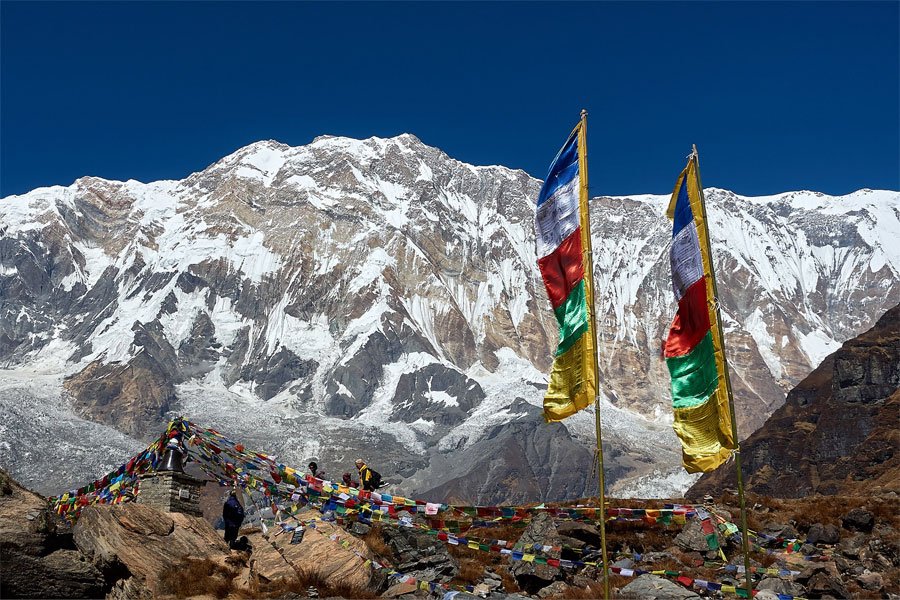
When you stand in the glacial amphitheatre of the Annapurna Sanctuary, surrounded by towering peaks that pierce the sky at over 8,000 metres, it becomes clear why this trek captivates thousands of adventurers each year. Yet before you can experience those breathtaking views of the Annapurna massif and the sacred Fishtail Mountain, there is one question that occupies most minds: exactly how far will I need to walk?
If you have been searching for answers about the Annapurna Base Camp trek distance, you are in the right place. This guide breaks down every kilometre, every daily stage, and every factor that influences how those distances actually feel underfoot. Whether you are a seasoned hiker or planning your first high altitude trekking experience, understanding the true nature of the ABC trail will help you prepare with confidence.
Quick Answer: Total Annapurna Base Camp Distance & Walking Hours
The total round trip distance for the standard Annapurna Base Camp trek is approximately 110 to 115 kilometres (roughly 70 miles) when starting and finishing at Nayapul or Siwai. This figure represents the actual walking distance on foot, excluding the vehicle transfer from Pokhara to the trailhead.
 Most trekkers find that the trek takes 10 to 12 days from Pokhara, with each day of the trek taking typically 5 to 7 hours of walking. The total length of the Annapurna Base Camp Trek ranges from 115 to 120 km (71-75 miles), depending on the chosen route and any side trips taken. The daily distances trekkers typically cover range from 7 to 16 kilometres (4 to 10 miles), depending on the day’s itinerary and terrain conditions.
However, here is the essential point that many distance guides overlook: kilometres alone do not tell the full story. The maximum altitude at Annapurna Base Camp is 4,130 metres, and between your starting point and that glacial basin, you will encounter significant vertical gain, thousands of stone steps, and what locals affectionately call “Nepali flat” terrain that undulates constantly rather than following level paths. These factors make even modest daily distances feel considerably more demanding than a straightforward walk of equivalent length at sea level.
At Excellent Himalaya Trek & Expedition, we specialise in tailoring the distance and daily walking hours to each client’s fitness level and schedule. Rather than forcing every trekker into identical stage lengths, we calculate realistic daily targets that ensure you arrive at Annapurna Base Camp feeling accomplished rather than exhausted.
Overview of the Annapurna Base Camp Trek
The Annapurna Base Camp trek stands out as one of the most famous treks in Nepal, drawing adventurers from around the world to the heart of the Himalayas. Nestled within the breathtaking Annapurna Sanctuary, this base camp trek offers an extraordinary journey through the diverse landscapes of the Annapurna region. As the trek begins in the vibrant city of Pokhara, you are immediately greeted by the stunning backdrop of the Annapurna mountain range, including the iconic Annapurna I and Annapurna III, as well as other towering peaks that define the Annapurna massif.
Covering a trek distance of approximately 110 kilometers, the Annapurna Base Camp trek is a moderately challenging adventure that rewards you with ever-changing scenery. The route winds through dense forests of rhododendron and oak, lush alpine meadows, and dramatic valleys, with steep ascents and descents that keep the journey exciting. Along the way, you’ll pass through traditional Gurung and Magar villages, where the warmth of local hospitality and the charm of mountain culture add a unique dimension to your experience.
One of the highlights of the trek is the early morning hike to Poon Hill, renowned for its panoramic sunrise views over the Annapurna massif and neighboring peaks. The gradual altitude gain throughout the trek ensures that both beginners and seasoned trekkers can enjoy the adventure at their own pace, while the well-marked trails make navigation straightforward. As you make your way toward Annapurna Base Camp, you’ll be surrounded by the natural beauty of the Annapurna Sanctuary, with opportunities to spot a variety of flora and fauna unique to the region.
Whether you’re drawn by the allure of the majestic Annapurna mountain, the challenge of steep ascents, or the promise of unforgettable vistas, the Annapurna Base Camp trek promises an experience that blends adventure, culture, and natural wonder that making it a must-do among Nepal’s most famous treks.
Total Annapurna Base Camp Trek Distance: Overview from Pokhara
When discussing the ABC trek distance, it is important to clarify that “distance” encompasses two distinct components: the drive from Pokhara to the trailhead and the actual trekking mileage on foot.
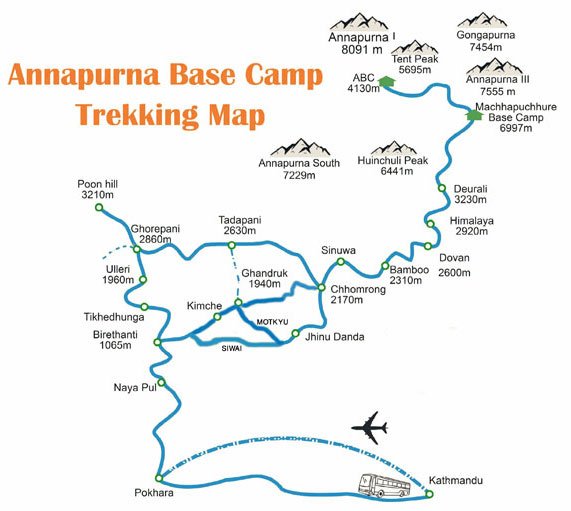
Road access in the Annapurna region has improved considerably over the past decade. Current itineraries typically begin at one of several trailheads—Nayapul, Siwai, Kimche, or Ghandruk—each offering a different starting altitude and, consequently, a different total trekking distance.
The main distance options break down as follows:
The Pokhara to Nayapul drive covers approximately 40 kilometres by road, after which the trek covers a round trip trekking distance via Jhinu Danda of 110 to 115 kilometres on foot. Slightly shorter versions using Siwai or Ghandruk roadheads reduce the walking distance to around 95 to 105 kilometres. For trekkers choosing the most direct routes with extended jeep access, the trek from Pokhara to Annapurna Base Camp and back typically covers a distance of about 84 kilometres if the Poon Hill section is not included.
Adding the popular Poon Hill viewpoint via Ghorepani increases the total trekking distance by roughly 10 to 15 kilometres but rewards you with one of Nepal’s most famous sunrise panoramas over the Annapurna ranges and Dhaulagiri.
Excellent Himalaya Trek & Expedition calculates exact daily distances for each client based on their chosen start and finish points, ensuring the itinerary matches both their available time and physical preparation.
Annapurna Base Camp Distance Table: Standard 10–12 Day Itinerary
Understanding what each day entails is crucial for realistic preparation. The table below provides a practical day-by-day abc trek distance breakdown for a classic 10 to 12 day Pokhara–Nayapul–ABC–Jhinu–Nayapul route. This itinerary does not include the full Ghorepani–Poon Hill loop, keeping the total around 110 to 115 kilometres.
| Day | Route | Distance (km) | Distance (miles) | Walking Hours | Start Altitude (m) | End Altitude (m) |
| 1 | Nayapul to Tikhedhunga | 9 | 5.6 | 3 to 4 hour | 1,070 | 1,510 |
| 2 | Tikhedhunga to Ghorepani | 13 | 8.1 | 6 to 6:30 hour | 1,510 | 2,860 |
| 3 | Ghorepani to Tadapani | 12 | 7.5 | 5 to 6 hour | 2,860 | 2,630 |
| 4 | Tadapani to Chhomrong | 10 | 6.2 | 5 to 6 hour | 2,630 | 2,170 |
| 5 | Chhomrong to Bamboo | 10-11 | 6.5 | 5 to 6 hour | 2,170 | 2,310 |
| 6 | Bamboo to Deurali | 9-10 | 5.8 | 5 to 6 hour | 2,310 | 3,230 |
| 7 | Deurali to ABC via MBC | 7-9 | 4.8 | 5 to 6 hour | 3,230 | 4,130 |
| 8 | ABC to Bamboo | 15 | 9.3 | 6 to 7 hour | 4,130 | 2,310 |
| 9 | Bamboo to Jhinu Danda | 10-13 | 7 | 5 to 6 hour | 2,310 | 1,780 |
| 10 | Jhinu Danda to Nayapul | 10-16 | 8 | 4 to 7 hour | 1,780 | 1,070 |
On the first day of the trek, trekkers usually cover approximately 9 kilometres from Nayapul to Tikhedhunga, taking about 3 to 4 hours to complete. This relatively gentle start follows the Modi River valley through traditional villages before the trail winds upward toward tea houses in Tikhedhunga.
Day 5 from Chhomrong to Bamboo demonstrates the trek’s middle section character: roughly 10 to 11 kilometres over 5 to 6 hours, descending steep stone steps to cross the Modi Khola river before climbing through humid bamboo forests.
The final push on Day 7 from Deurali to Annapurna Base Camp via Machhapuchhre Base Camp covers just 7 to 9 kilometres but requires 5 to 6 hours due to the steep ascent, thin air, and the irresistible urge to stop for photographs of the surrounding Himalayan peaks.
Notice how the distances become shorter as altitude increases, 7 to 9 kilometres versus 13 kilometres in the lowland sections, yet the effort required intensifies considerably. This inverse relationship between distance and difficulty is a defining characteristic of the Annapurna Base Camp trail.
Route Variations and How They Change the ABC Trek Mileage
The Annapurna Base Camp distance varies primarily due to different starting points and the inclusion of side trips. Understanding these route variations helps you choose an itinerary that matches your goals and fitness level.
Three main patterns dominate:
The Classic ABC via Nayapul and Chhomrong follows the traditional trek route without the Poon Hill detour. This covers around 110 to 115 kilometres round trip on foot from Nayapul, taking you through the heart of the Annapurna Sanctuary.
The Poon Hill and Annapurna Base Camp combination via Ghorepani adds the famous sunrise viewpoint to your journey. Including the Poon Hill detour, the total distance of the Annapurna Base Camp trek can increase to approximately 95 kilometres (59 miles) round trip when measured from certain starting points, or up to 120 to 130 kilometres total trekking when starting from Nayapul with the full Ghorepani loop. This extended route typically requires 12 to 14 days.
The Direct ABC via Jhinu Danda or Ghandruk uses jeeps to access higher trailheads, trimming the lower valley sections. This faster version covers approximately 80 to 95 kilometres of trekking, ideal for time-pressed travellers or those preferring to spend more time in the upper Sanctuary rather than the forested lowlands.
Excellent Himalaya Trek & Expedition can design “distance-optimised” itineraries for families, seniors, or travellers with limited schedules. We cut or add days as required, ensuring the camp trek distance remains manageable without sacrificing the essential experience of reaching Annapurna Base Camp.
Your route choice affects more than just kilometres. It also determines how much time you spend in traditional Gurung villages, exploring rhododendron forests, and relaxing at natural hot springs such as those at Jhinu Danda.
For those seeking a longer adventure, some trekkers compare the Annapurna Base Camp trek to the Annapurna Circuit, which is renowned for its scenic diversity and greater overall distance. It’s also possible to combine sections of the Annapurna Circuit with the ABC trek for a more comprehensive trekking experience in the Annapurna region.
Daily Walking Hours vs Kilometres: Understanding “Nepali Flat”
In the Annapurna Sanctuary, an 8 to 12 kilometre day can still require 6 to 7 hours of walking. This reality often surprises first-time trekkers who calculate their pace based on flat terrain at lower elevations.
The explanation lies in what local guides call “Nepali flat”—a term that refers to the constant up-and-down nature of Himalayan trails rather than any genuinely level ground. The trail passes through terrain that alternates between steep climbs and sharp descents, with thousands of stone steps linking villages at varying altitudes. This varied terrain multiplies the effort required per kilometre.
Consider the trek from Tikhedhunga to Ghorepani: the walking distance is approximately 13 kilometres, yet most trekkers require 6 to 7 hours to complete it. The infamous 3,000-plus stone steps rising toward Ulleri and beyond transform what appears on paper as a moderate distance into one of the trek’s most demanding days.
Similarly, Chhomrong to Bamboo involves larger vertical changes than horizontal distance. Despite covering only 10 to 11 kilometres, the day features a 600-metre descent followed by a re-ascent through humid bamboo forests, making the effort feel disproportionate to the mileage.
The lower sections between 1,000 and 2,000 metres involve more villages, warmer temperatures, and extensive steep stone steps. The upper section from 2,500 to 4,130 metres sees slower pacing due to altitude and occasional snow, but generally features fewer long staircases.
Excellent Himalaya guides pace groups carefully with regular breaks, ensuring each day’s distance remains manageable regardless of terrain challenges. The key is maintaining a sustainable rhythm rather than racing toward daily targets.
Elevation Profile: How Altitude Interacts with Distance
The maximum altitude at Annapurna Base Camp is 4,130 metres, and the gradual ascent built into standard itineraries is designed specifically to support safe acclimatisation. The Annapurna Base Camp trek reaches an altitude of 4,130 meters (13,550 feet), which can pose challenges such as altitude sickness for trekkers.
Key altitude milestones along the trek route include:
- Pokhara: approximately 820 metres
- Nayapul: approximately 1,070 metres
- Chhomrong: approximately 2,170 metres
- Deurali: approximately 3,230 metres
- Machhapuchhre Base Camp: approximately 3,700 metres
- Annapurna Base Camp: 4,130 metres
While the physical distance between Deurali and ABC is only around 7 to 9 kilometres, completing this section typically takes as long as lowland 13 to 15 kilometre days. The thin air at altitude reduces walking pace to 1 to 1.5 kilometres per hour, and frequent photo stops amid the stunning mountain views add to the time required.
The total altitude gain over the entire trek is roughly 3,000-plus metres from trailhead to Annapurna Base Camp. However, this ascent is staggered over several days, with built-in acclimatisation at key points like Ghorepani and Chhomrong.
Acclimatization is crucial during the trek, and it is recommended to take rest days at key points like Ghorepani and Chhomrong to help the body adjust to higher altitudes. Trekkers are advised to ascend gradually and take frequent breaks to avoid altitude sickness, especially after crossing the 2,500-metre mark where symptoms may begin to appear.
The elevation profile follows a pattern of gradual climb with short steeper sections ascending, followed by a long descent on the return. The experience transitions from lush subtropical forests and terraced farmlands to a high-altitude glacial amphitheater at 4,130 meters (13,550 feet), where the Annapurna massif creates a 360-degree wall of ice and rock.
Typical Annapurna Base Camp Day-by-Day Distance (Classic Route)
This narrative overview follows a popular 11-day Excellent Himalaya itinerary, focusing on distance, hours, and the character of each day’s trek. A typical itinerary for the trek accounts for 10 to 12 days, allowing for acclimatization, with most days involving 5 to 7 hours of walking covering roughly 8 to 15 kilometers.
Day 1: Pokhara to Nayapul, Trek to Tikhedhunga The trek begins with a scenic drive from Pokhara to Nayapul (approximately 40 km by road), followed by 9 to 10 kilometres of walking over 4 to 5 hours. The trail follows the Modi River valley through terraced farmlands and traditional villages before ascending gently to Tikhedhunga. This opening day serves as an excellent warm-up for the challenges ahead.
Day 2: Tikhedhunga to Ghorepani Covering 13 kilometres in 6 to 7 hours, this day features the trek’s most relentless stair section. The steep ascent through oak forests and past Ulleri village tests leg muscles thoroughly. Most trekkers consider this day the hardest in terms of vertical effort per kilometre.
Day 3: Poon Hill Early Morning Hike, Ghorepani to Tadapani An optional early morning hike to Poon Hill (3,210 m) for sunrise adds 3 to 5 kilometres and 1 to 2 hours to the day. The trek from Ghorepani to Tadapani covers about 12 kilometers and typically takes 5 to 6 hours, with a mix of gradual descents and climbs through forests. This scenic route offers stunning views of Annapurna South, Annapurna I, Annapurna III, and the dramatic Fishtail Mountain.
Day 4: Tadapani to Chhomrong The day covers 10 to 11 kilometres in 5 to 6 hours, featuring a significant 600-metre descent followed by a climb to the charming Gurung village of Chhomrong. The trail winds through forest trails and past traditional Gurung villages, offering cultural insights alongside the physical challenge.
Day 5: Chhomrong to Bamboo This stage covers 10 to 11 kilometres over 5 to 6 hours. The descent involves steep stone steps to the Modi Khola river before the path climbs into the lower Annapurna Sanctuary through bamboo forests. The humidity and enclosed valley create a distinctly different atmosphere from the open ridges above.
Day 6: Bamboo to Deurali Approximately 9 to 10 kilometres requiring 5 to 6 hours, this section takes you deeper into the Sanctuary. The terrain becomes steeper, and you may encounter avalanche-prone gullies that demand careful navigation. The forest gradually opens to reveal alpine meadows and increasingly dramatic mountain views.
Day 7: Deurali to Annapurna Base Camp via Machhapuchhre Base Camp The final ascent to Annapurna Base Camp from Deurali is approximately 7 kilometers and takes around 4 to 5 hours, with significant altitude gain. The trail passes through Machhapuchhre Base Camp (3,700 m) before the final push to ABC at 4,130 metres. Thin air slows progress, but the reward—standing in the amphitheatre surrounded by Annapurna peaks, Mount Annapurna, and the sacred Fishtail—makes every step worthwhile.
Day 8: Annapurna Base Camp to Bamboo On the return journey from Annapurna Base Camp to Bamboo, trekkers typically cover about 15 kilometers, which usually takes 6 to 7 hours due to the downhill terrain. The long descent is easier cardiovascularly but demanding on knees and quadriceps.
Day 9: Bamboo to Jhinu Danda Covering 10 to 13 kilometres in 5 to 6 hours, this day ends at the hot springs of Jhinu Danda. After days of accumulated muscle fatigue, soaking in the natural hot springs beside the river provides welcome recovery.
Day 10: Jhinu Danda to Siwai or Nayapul, Drive to Pokhara The final trekking day covers 10 to 16 kilometres in 4 to 7 hours, depending on road conditions and jeep availability. The trail descends through lower villages before reaching the road for the drive back to Pokhara.
How ABC Trek Distance Affects Difficulty and Fitness Requirements
The Annapurna trek is considered moderately difficult, requiring good stamina for consecutive days of trekking. While the distances are manageable for most people with average fitness, the cumulative effect of stone steps, altitude gain, and varied terrain creates genuine physical demands.
The trek typically lasts 7 to 12 days with daily walking distances between 6 to 15 kilometers (4 to 9 miles). Average daily walking hours generally fall between 5 and 7 hours, with 8 to 10 actual trekking days in a typical 11 to 12 day package.
The ABC trek distance is suitable for:
- Hikers who can comfortably walk 10 to 15 kilometres per day at home with some hills
- Beginners who commit to training for 8 to 10 weeks with weekend hikes
- Travellers in reasonable health who maintain consistent physical activity
Descending days (such as ABC to Bamboo) cover more kilometres but may feel easier cardiovascularly while remaining tough on knees and joints. Trekking poles become essential equipment for these long downhill sections.
Excellent Himalaya Trek & Expedition adjusts stage lengths for older trekkers, families with teenagers, or those preferring extra acclimatisation days. We can split challenging days into shorter segments or add rest days at strategic points to ensure the base camp trek distance remains achievable for your specific circumstances.
Preparing for the Annapurna Base Camp Distance: Training & Gear
Good preparation transforms the 110 to 115 kilometres over 10 to 12 days from a daunting prospect into a comfortable and enjoyable adventure. Building endurance through cardiovascular workouts such as running, hiking, biking, or swimming is essential for preparing for the Annapurna Base Camp trek.
Training recommendations:
Aim for 3 to 4 walking sessions per week, building gradually to 10 to 15 kilometre hikes with significant elevation gain. Weekend hikes of 8 to 12 kilometres with 500-plus metres of climbing closely simulate ABC conditions.
Stair workouts are particularly valuable for mimicking the long stone steps between Tikhedhunga, Ulleri, and Ghorepani. If you have access to a building with multiple floors, incorporate stair climbing into your routine.
Practicing trekking on varying terrain with a loaded backpack can help simulate the conditions of the Annapurna Base Camp trek, which includes steep ascents and rocky paths. Train with a daypack weighing 5 to 8 kilograms to condition your shoulders and back for daily mileage with your essentials.
Essential gear for handling the distance:
Proper equipment is crucial for the trek, including a lightweight backpack, layered clothing for different altitudes, good quality trekking boots, and trekking poles to reduce stress on the knees. Your trekking boots should be lightweight but supportive, thoroughly broken in before departure. The rocky, stepped paths of the ABC trail demand ankle stability and reliable grip.
Trekking poles reduce knee torque by 20 to 30 percent on long descents like ABC to Bamboo. They transform challenging downhill days from knee-destroying ordeals into manageable stages.
A comfortable daypack with good hip support distributes weight effectively across daily mileage. Aim for 30 to 40 litres capacity with padded straps and a supportive waist belt.
Pacing and nutrition:
Take hydration and snack breaks every 60 to 90 minutes to spread effort across the full daily distance. Consistent energy input prevents the afternoon fatigue that makes final kilometres feel endless.
Packages with Excellent Himalaya include porters to carry main bags, significantly reducing wear and tear over the total distance. With only a daypack to manage, trekkers can focus on the trail rather than shouldering exhausting loads.
Seasonal Impacts on Annapurna Base Camp Trek Distance & Walking Time
While the physical distance remains fixed regardless of season, weather conditions dramatically affect how long each kilometre takes to complete.
Spring (March to May): During spring, temperatures range from 10°C to 20°C, and the trails are dry with low risk of heavy rainfall, making it a picturesque time to trek with blooming wildflowers. The best seasons for trekking to Annapurna Base Camp are spring (March to May) and autumn (September to November), as these months offer favorable weather conditions and clear visibility. Dry trails allow normal walking speeds over the 110 to 115 kilometre route, and longer daylight hours provide flexibility in daily scheduling. The rhododendron forests burst into spectacular colour, creating one of the most visually stunning times for the trek.
Autumn (September to November): In autumn, the weather is stable with clear skies, and temperatures range from 12°C to 18°C, making it the peak season for trekking in Nepal with many fellow trekkers on the trails. Optimal conditions for covering planned mileage combine with exceptional visibility of the Annapurna mountain range and surrounding peaks. This season sees the highest number of trekkers, with tea houses and forest trails bustling with activity.
Winter (December to February): Winter trekking (December to February) presents challenges such as extremely low temperatures, which can drop to -10°C to -15°C at night, and the risk of snow-covered paths. Snow and ice above Deurali can slow pace significantly, meaning some days may be shortened despite covering the same route distances. Cold temperatures make rest stops shorter, and energy output per kilometre increases as bodies work to maintain warmth.
Monsoon (June to August): The summer/monsoon season (June to August) is not recommended for trekking due to frequent rain, slippery trails, and obstructed mountain views, which can lead to landslides. If circumstances require monsoon trekking, daily distances may be reduced for safety, and the trek duration extended accordingly. Leeches on lower sections and rain forest conditions add to the challenges.
Excellent Himalaya Trek & Expedition plans realistic daily distances according to the season, with contingency time built into every itinerary. Weather conditions can shift quickly in the mountains, and our guides adjust daily targets to maintain safety without compromising your chances of reaching Annapurna Base Camp.
Expert Tips to Make the ABC Trek Distance Feel Easier
Smart habits matter more than raw speed when covering 110-plus kilometres over multiple days. These practical strategies help even first-time trekkers handle the Annapurna base camp trek distance with confidence.
Start early each morning. Finishing the day’s distance before afternoon clouds or showers roll in transforms the trekking experience. Early starts also mean cooler temperatures for steep climbs and better mountain views before haze develops.
Break large climbs into measured sections. The infamous Ulleri stairs feel far less daunting when approached as a series of small victories rather than one massive obstacle. Rest briefly every 15 to 20 minutes during steep ascents to maintain a sustainable rhythm.
Use a rhythmic, slow pace on ascents. Known locally as “pole pole” (slowly, slowly), this measured approach conserves energy over the full day. Rushing uphill leads to exhaustion that compounds over consecutive trekking days.
Handle “Nepali flat” with care. Always step carefully on descents where loose stones and uneven surfaces increase injury risk. Trekking poles provide essential stability on the constant up-and-down terrain that defines the ABC trail.
Prioritise hydration and nutrition. Hydrating well and taking rest days in places like Ghorepani and Chhomrong are important for acclimatization to the altitude during the Annapurna Base Camp trek. Aim for 3 to 4 litres of water per trekking day. Take light snacks every 1 to 2 hours to keep energy consistent over the mileage—dal bhat (the Nepali rice and lentil staple) provides excellent sustained fuel.
Mental preparation is key for the Annapurna Base Camp trek, as maintaining a positive mindset and focusing on one step at a time can help trekkers overcome challenging parts of the trail. Rather than dwelling on remaining kilometres, concentrate on the immediate surroundings and the steady progress you are making.
Walking at a comfortable pace with an experienced Excellent Himalaya guide usually allows on-time arrival each afternoon, even for first-time trekkers. Our guides know exactly when to push forward and when to encourage rest.
Why the Annapurna Base Camp Trek Distance Is Achievable for Most Trekkers
The ABC trek is one of Nepal’s most accessible high-altitude routes considering its 4,130-metre maximum height and 110 to 115 kilometre distance. Unlike technical mountaineering expeditions, reaching Annapurna Base Camp requires no special climbing skills—only determination, reasonable fitness, and proper preparation.
The well-developed teahouse network allows flexible overnight stops and sensible daily distances. Unlike camping treks where you must reach specific sites, teahouse treks on the ABC route offer accommodation every 4 to 8 kilometres. This density means you can adjust your own pace without being forced into uncomfortable stage lengths.
The gradual ascent profile is specifically designed to support acclimatisation without forced long days at high altitude. Built-in rest opportunities at Ghorepani and Chhomrong allow your body to adjust before pushing higher into the alpine terrain of the Annapurna conservation area.
The trail is clearly marked, with regular villages and rest points making the psychological aspect of the distance easier to manage. You are never more than an hour or two from a warm meal and a bed.
Average walkers, including many in their 50s and 60s, complete the ABC trek every year with proper pacing. Statistics from experienced operators indicate success rates over 95 percent for fit adults who follow sensible acclimatisation protocols.
Excellent Himalaya Trek & Expedition serves as your safety net throughout. Our professional guides monitor health continuously and can shorten or lengthen days as needed. If altitude issues arise, alternative routes and descent options ensure your wellbeing remains the priority.
Why Book Your Annapurna Base Camp Trek with Excellent Himalaya Trek & Expedition
Your concerns about distance, fitness, and daily walking hours are precisely what we specialise in addressing. Rather than offering fixed, one-size-fits-all templates, Excellent Himalaya designs itineraries around realistic daily distances for different fitness levels and available time.
Experienced, government-licensed guides: Our team knows every section between Nayapul, Chhomrong, Deurali, and ABC intimately. They understand where to push forward, where to allow extra rest, and how to read the signs of altitude issues before they become serious. This expertise comes from years of guiding trekkers of all abilities through the Annapurna sanctuary.
Flexible routing options: Whether you want the classic route with Poon Hill, a direct ABC approach, or a shortened version using jeep access to higher trailheads, we tailor the itinerary to your preferences. The same trail can become multiple different experiences depending on how it is structured.
Safety through careful planning: Proper planning of distance, altitude gain, and rest days significantly reduces risk of exhaustion and altitude issues. We build contingency time into every itinerary, allowing for weather delays or slower-than-expected progress without jeopardising your goal of reaching Annapurna Base Camp.
Complete support: From porters who carry your main luggage to teahouse bookings that guarantee comfortable accommodation, our packages remove logistical stress so you can focus entirely on the trekking experience and breathtaking scenery surrounding you.
If you are Ready to experience the Annapurna Sanctuary for yourself?
You can freely contact Excellent Himalaya Trek & Expedition with your fitness level and available dates. We will provide a customised Annapurna Base Camp distance plan, detailed daily walking schedule, and clear cost breakdown tailored specifically to you.
The Annapurna Base Camp trek awaits and with the right planning, those 110 to 115 kilometres become a life-changing adventure rather than an intimidating challenge. Among the most famous treks in Nepal, the journey to Annapurna Base Camp rewards every step with views that remain etched in memory long after you return home.
Whether you are drawn by the towering peaks, the cultural richness of traditional villages, or simply the challenge of completing one of the world’s great treks, Excellent Himalaya Trek & Expedition stands ready to guide you every kilometre of the way.
How much price of Annapurna Base Camp Trek?
| Silver Package Price | Gold Package Price |
| USD 695 Per Person | USD 795Per Person |
For the inclusive detail in the above package price, for the packing list of Trek, and for other information about Annapurna Base Camp Trek please click on » Annapurna Base Camp Trek cost.
Health and Safety Considerations for Annapurna Base Camp Trek
Embarking on the Annapurna Base Camp trek is an adventure of a lifetime, but it’s essential to be mindful of health and safety throughout your journey. The trek distance, which covers approximately 120 kilometers through the heart of the Annapurna region, takes you across varied terrain, from lush rhododendron forests to rocky paths and steep ascents, all under the shadow of the majestic Annapurna massif.
Altitude Sickness Awareness: One of the most important considerations on the base camp trek is altitude sickness, or Acute Mountain Sickness (AMS). As you gradually ascend to high altitudes, reaching over 4,000 meters at Annapurna Base Camp, the risk of AMS increases. Symptoms such as headaches, nausea, and fatigue can occur, especially if you ascend too quickly. To minimize this risk, follow a gradual ascent, allow time for acclimatization, and listen to your body. The trek’s itinerary is designed to help you adjust to the altitude, but it’s wise to be prepared and recognize early signs of altitude sickness.
Physical Preparation and Trek Difficulty: The Annapurna Base Camp trek is considered a moderately challenging trek, suitable for those with a reasonable level of fitness. While prior trekking experience is not mandatory, regular cardio and strength training before your trip will help you tackle the steep stone steps, long days, and varied terrain. The trek covers everything from dense forests and alpine meadows to rocky trails and stair climbing, so being physically prepared will make your journey more enjoyable and safe.
Permits and Responsible Trekking: To trek in the Annapurna region, you’ll need to secure the Annapurna Conservation Area Permit (ACAP) and the Trekkers’ Information Management System (TIMS) card. These trekking permits are essential for your safety and for supporting conservation efforts in the Annapurna sanctuary. Always carry your permits with you, as there are several checkpoints along the trek route.
Weather and Seasonal Considerations: Weather in the Annapurna ranges can change rapidly, especially at higher elevations. The best trekking seasons are spring and autumn, when conditions are generally stable and the views of Annapurna I, Annapurna South, and the surrounding peaks are at their best. However, be prepared for sudden rain, snow, or cold snaps, and pack accordingly to stay warm and dry throughout the entire trek.
First Aid and Emergency Preparedness: Carrying a basic first aid kit is a must for any base camp trek. Familiarize yourself with how to treat minor injuries, blisters, and symptoms of altitude sickness. In case of serious emergencies, helicopter evacuation is available in the Annapurna region, but having travel insurance that covers high altitudes is highly recommended.
Guides, Porters, and Local Support: Hiring a knowledgeable guide or porter not only enhances your safety but also enriches your trekking experience. Local guides are familiar with the trek route, weather patterns, and can assist in emergencies. Porters can help lighten your load, allowing you to focus on enjoying the stunning scenery of the Annapurna mountain range and the famous treks of the region.
Health, Hygiene, and Food Safety: Maintaining good hygiene is crucial on the trek. Drink only purified or boiled water, wash your hands regularly, and choose freshly prepared meals at tea houses. Proper waste disposal and sanitation help preserve the pristine environment of the Annapurna sanctuary and keep you healthy during your journey.
By taking these health and safety considerations seriously, you’ll be well-prepared to enjoy the breathtaking beauty of the Annapurna Base Camp trek. With the right preparation, the trek offers not only spectacular views of the Annapurna massif, including Annapurna I, Annapurna South, and Machapuchhre, but also a safe and memorable adventure through one of Nepal’s most famous trekking regions.
Scenic Views Along the Annapurna Base Camp Trek
The Annapurna Base Camp trek is celebrated worldwide for its awe-inspiring scenic views, making it a bucket-list adventure for trekking enthusiasts. As your base camp trek begins, you are immediately immersed in the vibrant landscapes of the Annapurna Conservation Area, where dense forests of rhododendron and oak create a lush, green canopy. These forest trails are alive with the sounds of nature and bursts of color, especially during the spring bloom.
As you gradually ascend, the scenery transforms from subtropical woodlands to enchanting alpine meadows, where the air grows crisp and the vistas open up to reveal the grandeur of the Annapurna mountain range. Towering peaks such as Annapurna I, Annapurna South, Annapurna III, and the iconic Machapuchare (Fishtail Mountain) dominate the skyline, their snow-capped summits gleaming in the sunlight. The trail climbs steadily, with steep stone steps and rocky paths leading you through varied terrain, each turn offering a new perspective of the majestic Annapurna massif.
One of the most memorable moments of the entire trek is the early morning hike to Poon Hill. Here, trekkers are rewarded with a breathtaking panoramic sunrise over the Annapurna ranges, including Dhaulagiri, Nilgiri, and the mighty Annapurna I. The golden light illuminating the peaks is a sight that stays with you long after the journey ends.
Throughout the trek, you’ll pass through beautiful Gurung and Magar villages, where traditional stone houses and terraced fields add to the region’s charm. The route also features natural hot springs at Jhinu Danda, a perfect spot to relax and rejuvenate after a day of trekking amidst the mountains. As you approach the Annapurna Sanctuary, the landscape becomes even more dramatic, with steep climbs leading to the amphitheater of towering peaks that encircle Annapurna Base Camp at 4,130 meters.
On my last trek to ABC in October, the sunrise over Machhapuchhre was nothing short of spiritual. As the first light touched the “Fishtail” peak, the mountain transformed from a cold, ghostly blue into a brilliant, molten gold that seemed to glow from within. Standing there in the crisp morning air of the Annapurna Sanctuary, surrounded by a 360-degree theater of Himalayan giants, I watched as the shadows retreated from the valley floor to reveal the sheer scale of the landscape we had just conquered. It’s a moment of profound silence that no camera can truly capture—a reminder that while we provide the logistics and the safety, it is the mountain that provides the magic. Sharing that specific sunrise with my group, seeing the exhaustion on their faces turn into pure awe, is exactly why I continue to lead these journeys year after year.
Covering a total distance of approximately 120 kilometers, the Annapurna Base Camp trek offers a moderately challenging trek through some of Nepal’s most stunning and varied terrain. From the dense forests and alpine meadows to the rocky ascents and serene hot springs, every step of the journey is filled with unforgettable scenic views. Whether you’re gazing up at Tent Peak, traversing steep climbs, or soaking in the cultural richness of the villages, the ABC trek promises an adventure that is as visually spectacular as it is rewarding.
Are you in search of a direct local operator for the Annapurna Base Camp Trek?
Many companies promote the Annapurna Base Camp Trek package. Excellent Himalaya Trek and Expedition is different from others in the sense that it is based in Nepal and managed by Nepalese tourism experts, local experienced guides, and sherpas. This company is the direct operator of Annapurna Base Camp Trek, not the middle travel agency. If you are planning to Annapurna Base Camp Trek, for any information about this trek, you can freely contact this company by email at [email protected] or WhatsApp at +977 9851203181.
Is the itinerary of Annapurna Base Camp Trek customizable?
Annapurna Base Camp Trek can be customized to 9 days, 10 days as well as 12 days. For the short itinerary of the Annapurna Base Camp Trek, please contact us.
What things are required to pack for Annapurna Base Camp Trek?
This is a basic checklist of the essential items that you should not forget to bring with you during your Annapurna Base Camp Trek:
• A sturdy pair of trekking boots with good ankle support
• Rucksack or daypack (50 to 65 liters) with waterproof cover
• Trekking pants and waterproof trousers
• T-shirts or shirts
• Down jacket*
• Wind/ waterproof light jacket
• Fleece jumper or jacket
• Inner Thermal (top and trousers)
• 4 to 6 pairs of Socks and underwear
• Sunglasses, sun hat, woolen cap, or balaclava
• Inner and outer gloves
• Headlamp, power bank, and extra batteries
• Sun protection cream, lip balm, wet wipes, and hand sanitizer
• Towel, flip-flop or rubber sandal, toiletries
• One-litre water bottle and water purification tablets
• 4 season Sleeping bag (good to -20 degrees C or 28 degrees F); *
• Hiking poles, if you need
• Your daily medicine if any, small personal first aid kit, aspirin, plasters (band-aids), anti-diarrhea pills, anti-headache pills, cough or cold medicine, anti-altitude sickness pills (Diamox or Acetazolamide), etc.
• A small daypack/backpack for carrying your valuables
*Down jacket and sleeping bag you can rent/hire from Trekking gear shops in Kathmandu.
The above list is essential for your trekking. The weight limit for your luggage is 15 kg or 33 pounds. Remember that your luggage will be carried by a porter if you choose a package that includes a porter. Even if you have a porter you are required to carry a small day-pack with your valuables or anything important. We advise you to pack only what is necessary.
Other popular trekking trails in the Annapurna Region
The Annapurna region in Nepal is renowned for its diverse trekking routes, offering a variety of landscapes, cultures, and experiences. Here are some popular trekking routes in the Annapurna region besides the Annapurna Base Camp (ABC) Trek:
1. Annapurna Circuit Trek
Duration: 12-18 days
Highlights: One of the most famous treks in the world, the Annapurna Circuit takes you through diverse landscapes, from subtropical forests to high-altitude deserts. The trek crosses the Thorong La Pass (5,416m), offering breathtaking views of Annapurna, Dhaulagiri, and other peaks. You’ll also pass through traditional villages like Manang and Muktinath, a sacred pilgrimage site.
2. Ghorepani Poon Hill Trek
Duration: 4-7 days
Highlights: This is a short and relatively easy trek, perfect for beginners or those with limited time. The trek takes you through rhododendron forests and traditional Gurung and Magar villages. The highlight is the sunrise view from Poon Hill (3,210m), which offers panoramic views of Annapurna and Dhaulagiri ranges.
3. Mardi Himal Trek
Duration: 5-8 days
Highlights: A relatively new and less crowded trek, the Mardi Himal Trek takes you to the base of Mardi Himal (5,587m). The trail passes through lush forests, alpine meadows, and high ridges, offering stunning views of Annapurna South, Machhapuchhre (Fishtail), and Hiunchuli. The final destination is Mardi Himal Base Camp (4,500m).
4. Upper Mustang Trek
Duration: 10-14 days
Highlights: Known as the “Forbidden Kingdom,” Upper Mustang is a remote and culturally rich region. The trek takes you through arid landscapes, ancient caves, and medieval villages. The region is heavily influenced by Tibetan culture, and the highlight is the walled city of Lo Manthang, the capital of Upper Mustang.
5. Nar Phu Valley Trek
Duration: 10-14 days
Highlights: This off-the-beaten-path trek takes you to the remote Nar and Phu valleys, which are rich in Tibetan culture and ancient traditions. The trek offers stunning views of Annapurna II, Gangapurna, and Tilicho Peak. The trail also connects to the Annapurna Circuit, making it a great extension for those looking for a more adventurous route.
6. Tilicho Lake Trek
Duration: 10-14 days
Highlights: This trek takes you to Tilicho Lake (4,919m), one of the highest lakes in the world. The trail branches off from the Annapurna Circuit and offers stunning views of Annapurna and Tilicho Peak. The trek is challenging due to the high altitude and rugged terrain but is highly rewarding.
7. Khopra Danda Trek (Khopra Ridge Trek)
Duration: 7-10 days
Highlights: This is a less crowded alternative to the Ghorepani Poon Hill Trek. The trail takes you to Khopra Danda (3,660m), offering spectacular views of the Annapurna and Dhaulagiri ranges. The trek also includes a visit to Khayer Lake, a sacred alpine lake, and passes through traditional Gurung villages.
8. Jomsom Muktinath Trek
Duration: 7-10 days
Highlights: This trek follows the Kali Gandaki Valley, the deepest gorge in the world. The trail takes you to Jomsom and Muktinath, a sacred pilgrimage site for both Hindus and Buddhists. The trek offers a mix of cultural experiences and stunning mountain views, including Nilgiri, Dhaulagiri, and Annapurna.
9. Dhaulagiri Circuit Trek
Duration: 18-21 days
Highlights: One of the most challenging treks in the Annapurna region, the Dhaulagiri Circuit Trek takes you around the Dhaulagiri massif (8,167m). The trek crosses high passes like French Pass (5,360m) and Dhampus Pass (5,200m) and offers breathtaking views of Dhaulagiri, Annapurna, and other peaks. This trek is recommended for experienced trekkers.
10. Lower Mustang Trek
Duration: 7-10 days
Highlights: This trek explores the lower part of the Mustang region, offering a mix of cultural and natural experiences. The trail takes you through traditional villages, apple orchards, and Buddhist monasteries, with stunning views of the Annapurna and Dhaulagiri ranges.
11. Panchase Trek
Duration: 4-6 days
Highlights: A short and easy trek, the Panchase Trek is ideal for those looking for a peaceful and less crowded experience. The trail offers panoramic views of Annapurna, Dhaulagiri, and Machhapuchhre, and passes through lush forests and traditional villages.
12. Mohare Danda Trek
Duration: 6-8 days
Highlights: This eco-friendly trek is an alternative to the Poon Hill Trek. The trail takes you to Mohare Danda (3,300m), offering stunning sunrise views of Annapurna and Dhaulagiri. The trek also supports community-based tourism, as it passes through small villages and homestays.
Each of these treks offers a unique experience, from cultural immersion to high-altitude adventures. Choose a trek based on your fitness level, time availability, and interests. Always trek with a guide or in a group for safety, and ensure proper acclimatization for high-altitude treks.
Ask our experts (Inquiry)
Why Travel with us?
- Run by local experts, guide & Sherpa.
- Focus on your needs.
- Good value for money.
- Real cared services.
- Government recognized company.
- Best reasonable rate.