


Best Company for Mardi Himal Trek: Licensed, Local, and Fully Transparent for 2026/2027
Updated [July 19th, 2026]. Written and reviewed by Suman Shrestha, licensed guide (Nepal Government License No. 2212)
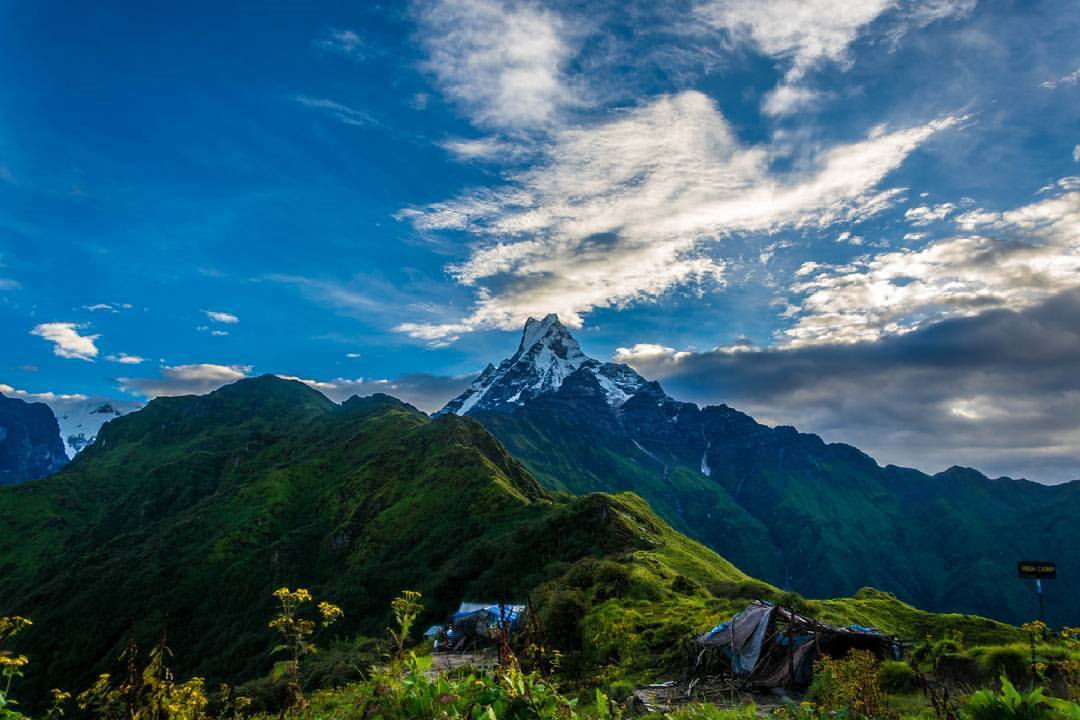
Choosing the best company for Mardi Himal Trek is the single decision that shapes everything else about your trip: your safety on the exposed High Camp ridgeline, the honesty of your Mardi Himal Trek cost, and whether the memory you bring home is one of solitude and Himalayan light or one of hidden fees and an underprepared guide. Tucked inside the Annapurna Conservation Area of Gandaki Province, the Mardi Himal Trek climbs through rhododendron forest to an open ridge with unobstructed views of Machapuchare (Fishtail Mountain), Annapurna South, Hiunchuli, and Mardi Himal itself at 5,587 metres — without the crowds of the Annapurna Base Camp trail.
Excellent Himalaya Trek & Expedition is a government-registered trekking company (Reg. No. 175840/074/075, Tourism License No. 2432) based in Thamel, Kathmandu, affiliated with TAAN, NMA, NTB, and HRA. Our founder, Suman Shrestha, has guided in the Himalaya since 2004/2005 across the Everest, Annapurna, Manaslu, and Langtang regions. Our senior guides on the Annapurna side — Sashi Adhikari, Laxman Bhandari, Subindra Adhikari, and Yogendra Baniya — have collectively spent years working the Mardi Himal, Annapurna Base Camp, and Annapurna Circuit trails in every season.
This guide covers everything a trekker researching “best company for Mardi Himal Trek” actually needs before booking: how to evaluate a trekking operator, a full day-by-day itinerary with distances and altitude gain, an honest 2026/2027 cost breakdown, a direct comparison against Annapurna Base Camp and Poon Hill, a packing list, a sample tea-house menu, and permit rules as they actually stand today.

Table of Contents
- What Makes a Trekking Company the Best for Mardi Himal Trek?
- What Makes a Company the Best: Excellent Himalaya vs. a Generic Low-Cost Operator
- About Excellent Himalaya Trek & Expedition
- Mardi Himal Trek — A Complete Overview
- Best Season for Mardi Himal Trek — Month-by-Month
- Mardi Himal vs. Annapurna Base Camp vs. Poon Hill — Which Trek Is Right for You?
- Our Mardi Himal Trek Packages and Itineraries
- Mardi Himal Trek Cost 2026/2027 — Full Breakdown
- Packing List for Mardi Himal Trek
- What to Expect: Sample Tea House Menu on the Mardi Himal Trail
- Gurung and Magar Culture on the Trail
- Our Responsible Tourism and Porter Welfare Commitment
- A Story from the Trail — Laxman Bhandari
- How to Book Your Mardi Himal Trek
- Frequently Asked Questions About Mardi Himal Trek
- Conclusion — Your Mardi Himal Trek Starts Here
What Makes a Trekking Company the Best for Mardi Himal Trek?
Nepal’s trekking industry has grown fast, and Mardi Himal — once a quiet alternative to Annapurna Base Camp — now has dozens of operators competing on price alone. A cheap quote that excludes the ACAP permit, uses an unlicensed “guide,” or has no altitude-emergency plan is not actually cheaper; it just moves the cost to the point where you can least afford a surprise. Four criteria separate a genuinely professional operator from the rest.
Government Licensing and TAAN Membership
A legitimate operator carries an active Nepal Tourism Board registration and Tourism License number, and holds membership in TAAN (Trekking Agencies’ Association of Nepal). These are not marketing badges — they are the legal basis on which a company is permitted to sell treks and the mechanism by which TAAN can hold a member accountable to its code of conduct. Excellent Himalaya Trek & Expedition operates under Reg. No. 175840/074/075 and Tourism License No. 2432, with affiliations to TAAN, NMA, NTB, and HRA (Himalayan Rescue Association).
Certified, English-Speaking Local Guides
Since April 2023, Nepal has required foreign trekkers on Annapurna Conservation Area routes — including Mardi Himal — to trek with a licensed guide arranged through a registered agency; solo, unguided trekking on these routes is no longer a legal option for non-Nepali citizens. That makes your guide’s licensing and training the single most consequential quality signal a company can offer. A guide who holds a valid NTB guide licence, understands Wilderness First Response protocols, and has personally walked the route across multiple seasons will read a change in cloud over Machapuchare or an early symptom of Acute Mountain Sickness long before it becomes an emergency.
Written Safety Protocols and Emergency Evacuation Plans
The upper viewpoint of the Mardi Himal Trek sits at roughly 4,700 metres, and High Camp itself is at 4,500 metres — high enough that Acute Mountain Sickness is a real and manageable risk, not a remote one. A responsible operator should be able to tell you specifically what equipment their guide carries (at minimum, a pulse oximeter), how often health checks occur above Low Camp, and what their evacuation pathway looks like if a trekker needs to descend faster than the group. Ask for this in writing before you book.
Transparent Cost and No Hidden Fees
The most common complaint from trekkers who booked the cheapest quote they could find is discovering, on arrival in Pokhara, that the ACAP permit, tea house accommodation above Low Camp, or porter costs were never included, adding USD 100–250 to what looked like a bargain. A trustworthy company itemises inclusions and exclusions in writing before it asks for a deposit. Our full breakdown is below in the cost section of this guide.

What Makes a Company the Best: Excellent Himalaya vs. a Generic Low-Cost Operator
| Criterion | Excellent Himalaya Trek & Expedition | Typical unregistered / budget operator |
| NTB registration & Tourism License | Reg. No. 175840/074/075, License No. 2432 — verifiable | Often unlisted or unverifiable |
| TAAN / NMA / HRA affiliation | All three | Rarely all three |
| Guide licensing | NTB-licensed guides; senior team includes Sashi Adhikari, Laxman Bhandari, Subindra Adhikari, Yogendra Baniya | Guide status often unconfirmed until trail day |
| ACAP permit handling | Arranged in advance, included in package price | Sometimes excluded or arranged only on arrival |
| Emergency altitude protocol | Pulse oximeter checks, written descent/evacuation plan | Frequently undocumented |
| Pricing transparency | Full inclusions/exclusions published before deposit | Inclusions often clarified only after payment |
| Porter welfare | Weight limits, insurance, cold-weather gear above 3,000m | Inconsistent across the industry |

About Excellent Himalaya Trek & Expedition
Excellent Himalaya Trek & Expedition is headquartered in Thamel, Kathmandu — the operational heart of Nepal’s trekking industry — and has been guiding treks and expeditions across the Everest, Annapurna, Manaslu, and Langtang regions under founder Suman Shrestha, who holds a Master’s degree in Tourism Management and has been a licensed guide since 2004/2005. The company is registered with the Nepal government, holds Tourism License No. 2432, and is affiliated with TAAN, the Nepal Mountaineering Association (NMA), the Nepal Tourism Board (NTB), and the Himalayan Rescue Association (HRA).
Our senior guiding team on Annapurna-region routes includes Sashi Adhikari, Laxman Bhandari, Subindra Adhikari, and Yogendra Baniya, each of whom has guided extensively across Annapurna Base Camp, Annapurna Circuit, and Mardi Himal in multiple seasons.
Certifications and Memberships
- Nepal Government registered trekking agency — Reg. No. 175840/074/075
- Tourism License No. 2432
- TAAN (Trekking Agencies’ Association of Nepal) member
- NMA (Nepal Mountaineering Association) is affiliated
- HRA (Himalayan Rescue Association) is affiliated
- Annapurna Conservation Area Project (ACAP) permit handling for all Mardi Himal clients
Mardi Himal Trek — A Complete Overview
Most first-time Himalaya trekkers arrive in Pokhara with Annapurna Base Camp on their itinerary, and it remains a spectacular trek. But Mardi Himal offers something increasingly rare on Nepal’s most popular routes: a genuinely quiet trail. Above Forest Camp, you are far more likely to share the ridgeline with rhododendron, wild orchid, and wind than with a queue of trekkers at a tea house door.
Trek Difficulty and Fitness Requirements
Mardi Himal is a moderate to moderately challenging trek. It requires no technical climbing skill and no prior high-altitude experience, but the push from Low Camp to High Camp and on to the Upper Viewpoint involves sustained, steep ridgeline walking at altitude, and genuine altitude awareness matters above 3,500 metres. Trekkers who can comfortably sustain 5–6 hours of uphill walking with a daypack, and who have done some hill walking or stair-climbing training beforehand, tend to have the most enjoyable experience.
Key Viewpoints and Trail Highlights
- Mardi Himal Base Camp (4,500m) and Upper Viewpoint (approx. 4,700m): 360-degree views of Mardi Himal, Machapuchare, Annapurna South, Hiunchuli, Annapurna I, and the Kali Gandaki Valley.
- Forest Camp (2,600m): dense rhododendron and oak forest, often wreathed in cloud in the early morning.
- Low Camp (3,100m): the treeline thins here, and the first real Annapurna panorama opens up.
- High Camp (4,500m): a small ridge-top cluster of tea houses with unbroken sunrise views.
- Sidhing and Lwang villages: Gurung and Magar settlements on the descent route, offering a genuine window into rural Annapurna life.
- Ghandruk village (10-day itinerary): the largest Gurung settlement in Nepal, with a Gurung heritage museum and a route link to Jhinu Danda hot springs.
Permits Required for Mardi Himal Trek (Updated 2026/2027)
Trekkers researching Mardi Himal permits online will find conflicting information, much of it outdated. Here is the current picture as of 2026: since April 2023, Nepal requires all foreign trekkers on Annapurna Conservation Area routes to trek with a licensed guide from a registered agency; the TIMS card, historically a separate requirement, is not enforced on Annapurna routes under this guided-trekking framework. The permit that is checked and required is the ACAP (Annapurna Conservation Area Permit): NPR 3,000 (approximately USD 22) for foreign nationals, NPR 1,000 for SAARC nationals. A separate, smaller local charge — the Machhapuchhre Rural Municipality entry fee — is collected trailside, typically near Kande or on the approach to High Camp, and funds trail maintenance and local infrastructure.
When you book with Excellent Himalaya, we handle the ACAP permit application on your behalf in Pokhara; the fee is included in every package price listed below.
Best Season for Mardi Himal Trek — Month-by-Month
 Spring (March to May) and autumn (September to November) remain the two reliable windows for Mardi Himal. The table below breaks each month down by expected conditions so you can pick a date around your priorities — clearest views, fewest other trekkers, or warmest nights at High Camp.
| Month | Daytime temp (Low Camp/High Camp) | Visibility | Crowd level | Notes |
| March | 10–15°C / 2–8°C | Good, improving | Moderate | Rhododendron bloom begins lower down |
| April | 12–17°C / 4–10°C | Very good | High | Peak rhododendron season; book 4–6 weeks ahead |
| May | 14–18°C / 6–12°C | Good, hazier pre-monsoon | Moderate–high | Warmest spring month; afternoon cloud builds |
| June–August | 15–20°C / 8–14°C | Poor (monsoon cloud, rain) | Low | Not recommended — leeches below treeline, obscured views |
| September | 10–14°C / 2–8°C | Improving post-monsoon | Moderate | Trails can still be muddy early in the month |
| October | 8–13°C / -2–6°C | Excellent — best of the year | Very high | Single best month for visibility; book well ahead |
| November | 5–10°C / -5–2°C | Excellent, cold at High Camp | Moderate–high | Clear skies, colder nights — good down jacket essential |
| December–February | 0–8°C / -10–-2°C | Good on clear days | Low | Winter trek; snow above 3,500m, specialised gear needed |
Mardi Himal vs. Annapurna Base Camp vs. Poon Hill — Which Trek Is Right for You?
This is one of the most common questions we get from trekkers weighing their limited time in Nepal. Here is a direct, honest comparison.
| Mardi Himal Trek | Annapurna Base Camp Trek | Poon Hill Trek | |
| Typical duration | 5–10 days | 7–12 days | 4–5 days |
| Max altitude | ~4,700m (Upper Viewpoint) | 4,130m (ABC) | 3,210m (Poon Hill) |
| Difficulty | Moderate–challenging | Moderate–challenging | Easy–moderate |
| Crowd level | Low–moderate | High in peak season | High (short, popular) |
| Signature view | 360° ridge panorama of Machapuchare & Annapurna South | Amphitheatre views of Annapurna I, Machapuchare from the Sanctuary floor | Sunrise over Dhaulagiri & Annapurna range |
| Best for | Trekkers wanting solitude and a genuine ridge-walk feel in limited time | Trekkers wanting the full Sanctuary experience and more cultural stops | Trekkers with 4–5 days who still want a Himalayan sunrise |
| Guide requirement | Mandatory since April 2023 | Mandatory since April 2023 | Mandatory since April 2023 |
Our Mardi Himal Trek Packages and Itineraries
We run three core Mardi Himal itineraries, plus fully customised private departures. Every package includes an NTB-licensed guide, all permits, tea house accommodation, all trekking meals, and our full altitude-safety protocol.
5-Day Express Mardi Himal Trek
The fastest route to the Upper Viewpoint and back, for trekkers with limited time who still want the full ridgeline payoff.
| Day | Route | Distance | Altitude | Walking time |
| 1 | Drive Pokhara → Kande, trek to Forest Camp | ~7 km | 1,770m → 2,600m | 4–5 hrs |
| 2 | Forest Camp → Low Camp → High Camp | ~9 km | 2,600m → 3,100m → 4,500m | 6–7 hrs |
| 3 | High Camp → Upper Viewpoint (sunrise) → return to Low Camp | ~10 km | 4,500m → 4,700m → 3,100m | 6 hrs |
| 4 | Low Camp → Sidhing Village (alternative descent) | ~13 km | 3,100m → 1,700m | 5–6 hrs |
| 5 | Sidhing → Pokhara by local transport | By road | — | ~2 hrs drive |
7-Day Classic Mardi Himal Trek (Most Popular)
Our most-booked itinerary. An extra day allows real acclimatisation at Low Camp, more time at the viewpoint, and a slower, richer descent through Gurung villages.
| Day | Route | Distance | Altitude | Walking time |
| 1 | Pokhara — permit collection & pre-trek briefing | — | 820m | — |
| 2 | Drive to Kande, trek to Forest Camp | ~7 km | 1,770m → 2,600m | 4–5 hrs |
| 3 | Forest Camp → Low Camp (acclimatisation walk) | ~5 km | 2,600m → 3,100m | 3–4 hrs |
| 4 | Low Camp → High Camp | ~4 km | 3,100m → 4,500m | 4–5 hrs |
| 5 | High Camp → Upper Viewpoint → Base Camp → return to High Camp | ~6 km | 4,500m → 4,700m → 4,500m | 7–8 hrs |
| 6 | Descent via Sidhing Village to Lumre, drive to Pokhara | ~13 km + drive | 4,500m → 1,700m | 5–6 hrs |
| 7 | Pokhara leisure day, optional Phewa Lake excursion, farewell dinner | — | 820m | — |
10-Day Extended Mardi Himal Trek with Ghandruk Village
Our premium itinerary, combining the classic Mardi Himal route with two extra days through Ghandruk — Nepal’s largest Gurung settlement — includes the Gurung heritage trail, local homestays, and a return via the Jhinu Danda hot springs.
| Days | Route | Notes |
| 1–5 | As per the 7-Day Classic itinerary through the Upper Viewpoint and Base Camp | Identical route and acclimatisation profile |
| 6 | Descend toward Ghandruk via the forested ridge trail | Longer descent day, ~6 hrs |
| 7 | Ghandruk village — Gurung Heritage Trail, Gurung Museum, homestay visits | Rest day with light cultural walking |
| 8 | Ghandruk → Jhinu Danda (natural hot springs) | ~5 hrs, descend through terraced farmland |
| 9 | Jhinu Danda → Nayapul → drive to Pokhara | ~3 hrs walk + 1.5 hr drive |
| 10 | Pokhara leisure day/departure | — |
Customised Private Group Packages
For families, corporate groups, school expeditions, or trekkers with specific dietary, mobility, or photography requirements, we build bespoke Mardi Himal itineraries from scratch, including solo trekker packages (guided, per the mandatory guide rule). Contact our team to discuss your requirements.
Mardi Himal Trek Cost 2026/2027 — Full Breakdown
 A transparent Mardi Himal Trek cost breakdown is the clearest signal of an honest operator. Below is exactly what is and is not included in every Excellent Himalaya package, followed by current per-person pricing.
What’s Included
- NTB-licensed, English-speaking guide (1 guide per group of up to 8 trekkers)
- Porter service (1 porter per 2 trekkers; maximum 15 kg per porter)
- ACAP permit and Machhapuchhre Rural Municipality entry fee
- All tea house accommodation on trek (twin-sharing)
- All trekking meals: breakfast, lunch, and dinner for the full trek duration
- Private transport Pokhara ↔ trailhead
- Welcome and farewell dinners in Pokhara
- Pre-trek orientation briefing and trail map
- Pulse oximeter and first-aid kit carried by your guide
- Emergency evacuation contact and 24/7 support line
- All government taxes and service charges
What’s Not Included
- International flights to and from Nepal
- Nepal tourist visa fee (USD 30 for 15 days; USD 50 for 30 days, paid on arrival at Kathmandu airport)
- Travel insurance with helicopter evacuation cover (mandatory — we can recommend providers)
- Personal trekking equipment (sleeping bag, poles, gaiters — hireable in Pokhara)
- Personal drinks and snacks beyond included meals
- Guide and porter tips (culturally expected; a gratuity guide is provided at your briefing)
- Optional Pokhara activities (boating, paragliding, zip-lining)
- Kathmandu hotel accommodation before or after the trek
2026/2027 Pricing by Package
| Package | Duration | Per person (solo/2 pax) | Per person (4+ pax) | Highlight |
| 5-Day Express | 5 days | USD 450 | USD 380 | Budget — core ridgeline experience |
| 7-Day Classic | 7 days | USD 620 | USD 520 | Most popular — acclimatisation built in |
| 10-Day Extended | 10 days | USD 890 | USD 750 | Premium — Ghandruk cultural immersion |
| Custom private | Flexible | From USD 550 | On request | Tailored itinerary |
How to Reduce Cost Without Compromising Safety
- Travel in a group of 4 or more to unlock the discounted per-person rate.
- Choose shoulder-season dates (late February, late May, or early September) for good conditions at lower demand.
- Book 2–3 months ahead to lock in current pricing and guide availability.
- Hire sleeping bags, down jackets, and poles in Pokhara rather than flying gear internationally.
- Budget consciously for tea and snacks above Low Camp — prices rise with altitude, and this is the main source of “surprise” spending.
Packing List for Mardi Himal Trek
| Category | Items |
| Layers | Moisture-wicking base layers, fleece mid-layer, insulated down jacket, waterproof/windproof outer shell |
| Lower body | Trekking trousers, thermal leggings, waterproof trousers for High Camp |
| Footwear | Broken-in waterproof trekking boots, warm wool socks, camp shoes/sandals |
| Head & hands | Sun hat, warm beanie, buff/neck gaiter, lightweight and insulated gloves, UV sunglasses (category 3–4) |
| Sleep & comfort | -15°C rated sleeping bag (hireable in Pokhara), sleeping bag liner, earplugs |
| Health | Personal first-aid kit, Diamox (consult your doctor before travel), blister plasters, hand sanitiser, sunscreen SPF 50+, lip balm with SPF |
| Gear | Trekking poles, headtorch + spare batteries, 1–2L water bottle or bladder, water purification tablets or filter, dry bags |
| Documents | Passport + photocopies, passport photos for permits, travel insurance details, cash in NPR for trailside purchases |
What to Expect: Sample Tea House Menu on the Mardi Himal Trail
Tea houses along the route serve simple, filling meals built around local staples, with hot drinks that get more expensive the higher you climb. A representative day looks like this.
| Meal | Typical options |
| Breakfast | Tibetan bread or chapati with honey, porridge, eggs (boiled/fried/omelette), milk tea or black coffee |
| Lunch | Dal bhat (lentils, rice, vegetable curry), vegetable noodles, fried rice, garlic soup |
| Dinner | Dal bhat, momo (dumplings), thukpa (noodle soup), seasonal vegetable curry with rice |
| Snacks/drinks | Ginger-lemon-honey tea, instant noodles, chocolate bars, biscuits — all priced higher than Low Camp |
Dal bhat remains the trekker’s staple for good reason: it is the one dish with unlimited refills on most menus, and it delivers the carbohydrate load your body needs for consecutive days of altitude walking.
Gurung and Magar Culture on the Trail
The lower and mid sections of the Mardi Himal route pass through Gurung and Magar villages — Lwang, Sidhing, and, on the extended itinerary, Ghandruk — communities with a distinct language, dress, and history tied closely to the Nepali Army and Gurkha regiments. A few etiquette notes make a real difference to how you’re received: ask before photographing people or private homes, remove footwear when entering a home or monastery, and greet with “Namaste” rather than a handshake unless offered one. Many households welcome trekkers with tea; accepting graciously, even briefly, is appreciated far more than a rushed refusal.
Our Responsible Tourism and Porter Welfare Commitment
The Annapurna Conservation Area is ecologically sensitive, and trekker volume has a real impact on it. Excellent Himalaya Trek & Expedition enforces a Leave No Trace policy on every Mardi Himal departure: no single-use plastic is issued above the treeline, all non-biodegradable waste is carried out, and we support ACAP’s conservation programmes.
| Commitment | Practice |
| Porter load limits | Maximum 15 kg per porter, in line with TAAN’s recommended welfare standard |
| Porter equipment | Cold-weather gear provided above 3,000m |
| Porter insurance | Covered on every departure |
| Waste management | All non-biodegradable waste is carried out; no single-use plastic above the treeline |
| Wage standard | Paid at or above the TAAN-recommended minimum |
A Story from the Trail — Laxman Bhandari
 In the third week of May 2026, I guided a small group from Taiwan on our 4-day Pokhara-to-Pokhara Mardi Himal route. Yvonne, who was leading the group, had asked me beforehand whether four days was really enough to reach the Upper Viewpoint and come back down safely — a fair question, because most trekkers assume this trek needs a week. I told her the truth: a 4-day itinerary works, but only if the group is fit, the weather cooperates, and we keep a disciplined pace from the very first morning at Kande.
Late May is a transition point in the mountains above Pokhara. The rhododendron blooms lower down have mostly finished, but the ridge above Low Camp was still clear most mornings before the afternoon cloud built up ahead of the monsoon. That timing mattered — we started early each day, both to beat the heat lower down and to reach High Camp and the Upper Viewpoint before the clouds closed in. Yvonne’s group handled the pace well; by the second day, climbing from Forest Camp toward High Camp, I could see they had trained for this before they arrived.
We reached the Upper Viewpoint on the morning of day three, ahead of the cloud, with a clean line of sight to Machapuchare and the Annapurna South ridge. That is the reward of trekking Mardi Himal on a tight window like this — you plan around the mountain’s schedule, not your own. We descended the same day back toward Low Camp, and the group was back in Pokhara by the evening of day four, tired but glad they had trusted a shorter itinerary instead of skipping the trek for lack of time. It is one of my favourite parts of guiding Mardi Himal: showing visitors like Yvonne’s group that a compressed schedule does not have to mean a compromised experience, as long as your guide is honest with you about what the mountain will and will not allow that week.
— Laxman Bhandari, senior guide, Excellent Himalaya Trek & Expedition
How to Book Your Mardi Himal Trek
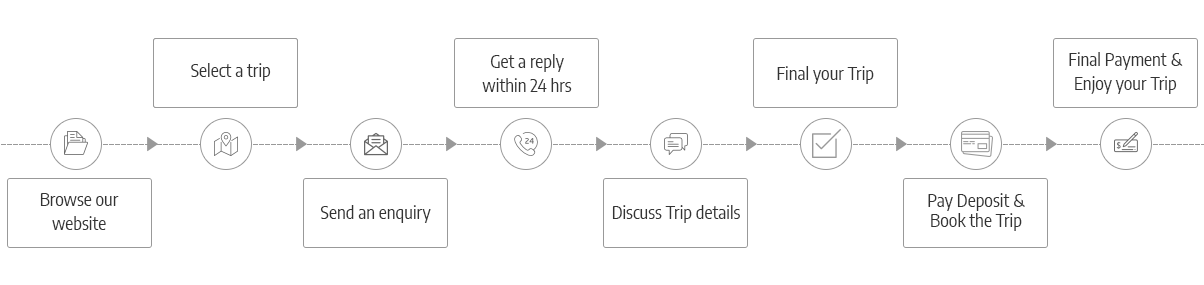
- Submit an enquiry via our contact page or WhatsApp with your preferred dates, group size, and package.
- Receive a personalised itinerary and full written cost quotation within 24 hours, with all inclusions and exclusions confirmed.
- Review and adjust the itinerary at no charge before paying any deposit.
- Pay a 30% deposit via bank transfer, PayPal, or credit card to confirm your booking.
- Receive your booking confirmation, packing list, and pre-departure briefing schedule.
- Pay the remaining balance 14 days before your trek start date, or on arrival at our Pokhara office by prior arrangement.
Cancellation and Refund Policy
- Cancellation 30+ days before start date: full deposit refunded minus transaction fees
- Cancellation 15–29 days before start date: 50% deposit refunded
- Cancellation 14 days or less before start date: deposit is non-refundable
- Date change (postponement): free of charge with 15+ days’ notice, subject to guide availability
- Force majeure (natural disaster, government travel advisory, documented medical emergency): full credit valid for 24 months
Frequently Asked Questions About Mardi Himal Trek
What is the best company for the Mardi Himal Trek in Nepal?
The best company for the Mardi Himal Trek is one that can show, in writing, an active Nepal Tourism Board registration, TAAN membership, licensed guides, and a transparent cost breakdown before you pay a deposit. Excellent Himalaya Trek & Expedition meets all four criteria: government registration (Reg. No. 175840/074/075, Tourism License No. 2432), TAAN/NMA/HRA affiliation, NTB-licensed guides, and a fully itemised 2026/2027 price list published above.
How much does the Mardi Himal Trek cost?
The Mardi Himal Trek costs between USD 380 and USD 890 per person, depending on itinerary length and group size. The 5-Day Express package starts at USD 450 (solo/2 pax) or USD 380 (4+ pax); the 7-Day Classic is USD 620 or USD 520; the 10-Day Extended package with Ghandruk village is USD 890. All figures include permits, guide, porter, accommodation, and trekking meals.
How difficult is the Mardi Himal Trek?
Mardi Himal is rated moderate to moderately challenging. It requires no technical climbing skills but does involve sustained, steep ridgeline walking and altitude gain up to roughly 4,700 metres. Trekkers able to walk 5–6 hours a day with a daypack, with some prior hill-walking fitness, generally find it very achievable.
What is the best season for the Mardi Himal Trek?
October offers the clearest visibility of the year, making it the single best month. Spring (March–May) is the second major window, with rhododendron blooms and warm, stable weather. Full month-by-month conditions are in the seasonal table above.
Do I need a TIMS card for the Mardi Himal Trek?
No — as of 2026, TIMS is not enforced on Annapurna Conservation Area routes, including Mardi Himal, because Nepal’s mandatory licensed-guide rule (in force since April 2023) supersedes it for foreign trekkers. The permit that is required and checked is the ACAP permit, plus a small Machhapuchhre Rural Municipality entry fee collected trailside.
How much is the ACAP permit for the Mardi Himal Trek?
The ACAP (Annapurna Conservation Area Permit) costs NPR 3,000 (approximately USD 22) for foreign nationals and NPR 1,000 for SAARC nationals. It is arranged in Pokhara and included in every Excellent Himalaya package price.
How long does the Mardi Himal Trek take?
Mardi Himal typically takes 5 to 10 days. The 5-Day Express covers the core Kande–Upper Viewpoint–Pokhara loop; the 7-Day Classic adds an acclimatisation day and a cultural descent; the 10-Day Extended adds Ghandruk village and Jhinu Danda hot springs.
Is altitude sickness a risk on the Mardi Himal Trek?
Yes — Acute Mountain Sickness is a genuine risk above roughly 3,500 metres, which includes Low Camp, High Camp, and the Upper Viewpoint. Warning signs include headache, nausea, dizziness, and fatigue. Guides should carry a pulse oximeter, run daily health checks, and follow a conservative ascent profile with built-in acclimatisation. Travel insurance with helicopter evacuation cover is essential.
What is included in a Mardi Himal Trek package?
A standard package includes an NTB-licensed guide, porter service, ACAP permit and municipality fee, tea house accommodation, all trekking meals, transport to and from the trailhead, a pre-trek briefing, welcome and farewell dinners, and an emergency support line. International flights, visa fees, travel insurance, personal gear, and tips are not included — see the full breakdown above.
Can I do the Mardi Himal Trek solo, without a guide?
No. Since April 2023, Nepal requires all foreign trekkers on Annapurna Conservation Area routes, including Mardi Himal, to trek with a licensed guide arranged through a registered agency. Fully independent, unguided trekking on this route is no longer a legal option for non-Nepali citizens.
Mardi Himal vs. Annapurna Base Camp — which should I choose?
Choose Mardi Himal if you want a shorter, quieter trek with a genuine ridgeline feel and less trail traffic. Choose Annapurna Base Camp if you have more time and want the full amphitheatre experience of standing inside the Annapurna Sanctuary. A side-by-side comparison of duration, altitude, and crowd levels is in the table above.
What should I pack for the Mardi Himal Trek?
Core items include layered clothing (base layer, fleece, insulated down jacket, waterproof shell), broken-in waterproof boots, a warm hat and gloves, a sleeping bag rated to at least -15°C, trekking poles, a headtorch, and sun protection. A full category-by-category packing list is above.
What is the food like on the Mardi Himal Trek?
Tea houses serve dal bhat (lentils, rice, and vegetable curry), noodle and soup dishes, momo dumplings, eggs, porridge, and hot drinks. Dal bhat is the trekker staple because most tea houses offer free refills, which helps sustain energy for consecutive walking days. A sample daily menu is above.
Are the TIMS card fees mentioned online for the Mardi Himal Trek accurate?
Much of the information online about Mardi Himal TIMS fees is outdated, carried over from before the April 2023 mandatory guide rule. Rely on your trekking agency or the Nepal Tourism Board directly for current permit requirements rather than older blog posts.
How do I book the Mardi Himal Trek with Excellent Himalaya Trek & Expedition?
Contact us through our website contact form, email, or WhatsApp at +977 985 120 3181 with your preferred dates and group size. We respond within 24 hours with a personalised itinerary and cost quotation; a 30% deposit confirms your booking.
Conclusion — Your Mardi Himal Trek Starts Here
The Mardi Himal Trek rewards trekkers with ridgeline solitude, Gurung and Magar village culture, and one of the most direct Himalayan panoramas available on a five-to-ten-day trip — but only when it is guided by a company that treats licensing, safety, and pricing honesty as non-negotiable rather than optional. Excellent Himalaya Trek & Expedition is a government-registered, TAAN-affiliated operator built around exactly that standard. Whether you have five days or ten, we are ready to build the right Mardi Himal itinerary for you.
Contact Excellent Himalaya Trek & Expedition today for a free, personalised quote. Email: [email protected] | WhatsApp: +977 985 120 3181 | Website: excellenttrek.com | Office: Thamel, Kathmandu, Nepal.
About the Author

Suman Shrestha
I am Suman Shrestha. I have dedicated my life to mastering the rhythms of the Nepal Himalayas and its culture. I am also a fully government-licensed trekking and tour guide. I've personally led hundreds of adventure groups across our country's most diverse and demanding landscapes and guided countless tour groups across every special interest imaginable. I know the ground reality of every ridge, every sacred monument, and every remote teahouse along the way, because I've earned that knowledge step by step, not from a brochure. My deep technical knowledge of Nepal’s diverse geography is matched only by my uncompromising commitment to safety. Beyond the physical path, I take a pride in being a bridge for all people by sharing the knowledge of the Himalayas, rich traditions and spiritual heritage of Nepal ensuring every journey is an authentic Experience. Let’s explore the heart of the Himalayas together. You can connect with me via WhatsApp at +9779851203181.