


Everest Base Camp Trek Packages

Written By Suman Shrestha. Updated on 2nd July 2026
The Everest Base Camp trek is one of the most iconic high-altitude adventures on the planet. It takes you through the heart of Nepal’s Khumbu region, past ancient Sherpa villages and towering peaks, to the foot of Mount Everest, the world’s highest peak, at 5,364 metres – and then up to Kala Patthar for panoramic views that no photograph can fully capture. The trek to Everest Base Camp takes approximately 12 to 14 days, depending on your route, and every version of this journey rewards you with breathtaking landscapes that shift from forested river valleys to glacial moraines under snow-capped mountains.
This page compares five distinct Everest base camp trek packages run by Excellent Himalaya Trek & Expedition, a locally owned, government-licensed trekking operator based in Thamel, Kathmandu. Whether you want the classic route, a longer Gokyo Lakes extension, a helicopter return, luxury lodges, or a value-focused budget trek, each package includes guided trekking to Everest Base Camp (5,364 m) and Kala Patthar (5,545 m), with proper acclimatization days built into every itinerary to reduce the risk of altitude sickness.
Below, you will find package overviews, Everest Base Camp trek cost ranges, detailed inclusions, seasonal recommendations, difficulty ratings, and everything you need to send a booking inquiry with confidence.
Why Choose Excellent Himalaya Trek & Expedition for Your EBC Package?
Choosing a trekking company for the Everest region is a decision that directly affects your safety, comfort, and overall experience at high altitude. Here is why trekkers from more than 30 countries have trusted Excellent Himalaya Trek & Expedition with their EBC trek.
- Government-licensed and fully registered. Excellent Himalaya Trek & Expedition Pvt. Ltd operates from Thamel, Kathmandu, Nepal (Registration No. 175840/074/075 | Tourism License No. 2432). We are affiliated with TAAN (Trekking Agencies’ Association of Nepal), NMA (Nepal Mountaineering Association), NTB (Nepal Tourism Board), and HRA (Himalayan Rescue Association).
- Experienced, certified guides. Every Everest trek leader on our team is a government-licensed guide who is English-speaking, trained in wilderness first aid and altitude sickness management, and has personally completed the Everest Base Camp trek multiple times across all seasons. They know specific lodges at Namche Bazaar, Dingboche, Lobuche, and Gorak Shep by name – and they know which ones serve the best dal bhat at 4,900 metres. Trekking companies should be asked about staff training in first aid and altitude sickness management, and we welcome that question because our answer is specific, not vague.
- Daily safety protocols above 3,500 m. Our guides carry pulse oximeters and perform daily health checks on every trekker above 3,500 metres. We maintain established turn-around and evacuation procedures, and our team communicates directly with the Himalayan Rescue Association and local clinics in Namche and Pheriche. If a trekker’s condition requires descent, we act immediately.
- Real Khumbu experience, not a booking desk. Our guides have handled Lukla flight cancellation delays, navigated weather on Cho La Pass, and managed group dynamics from Phakding to Gorak Shep. They have walked every metre of rocky terrain on this trail in spring heat and autumn cold.
- Personalized service. We run small group sizes (typically 2–12 trekkers), offer custom EBC trek itineraries on request, and give you direct contact with our local office in Kathmandu rather than routing you through third-party aggregators. Learn more on our About Us page.
- Verified reputation. Touristic reviews can be found on platforms like TripAdvisor and Trustpilot. Checking recent traveler reviews helps assess trekking agencies’ reliability – and we encourage you to read ours. We have 5-star reviews on major platforms and a growing number of repeat clients who return specifically for our Everest base camp trek packages.
Our Everest Base Camp Trek Packages at a Glance
Not every trekker wants the same experience. Some want the traditional route, others want turquoise lakes and glacier passes, and some want a helicopter ride back over the Himalayas. The table below summarizes all five EBC trek packages so you can compare duration, max altitude, indicative cost, and who each base camp trek is designed for.
Most EBC trek packages range from 11 to 16 days, with a high-standard itinerary involving a minimum of 12–14 days for safe acclimatization.
| Package Name | Duration | Max Altitude | Difficulty | Group Size | Cost Range (USD/person) | Best For |
| Classic Everest Base Camp Trek | 14 days | ~5,545 m (Kala Patthar) | Moderate–Strenuous | 2–12 | $1,350–$1,650 | First-time high-altitude trekkers want the traditional route |
| EBC Trek with Gokyo Lakes & Cho La Pass | 17–18 days | ~5,545 m (Kala Patthar) | Strenuous | 2–10 | $1,650–$2,050 | Experienced trekkers seeking lakes, glaciers, and fewer crowds |
| EBC Trek with Helicopter Return | 11 days | ~5,545 m (Kala Patthar) | Moderate–Strenuous | 2–12 | $2,050–$2,550 | Time-limited trekkers, those wanting aerial views |
| Luxury EBC Lodge Trek | 16 days | ~5,545 m (Kala Patthar) | Moderate | 2–8 | $2,250–$2,950 | Comfort-seekers, couples, milestone celebrations |
| Budget EBC Trek | 14 days | ~5,545 m (Kala Patthar) | Moderate–Strenuous | 4–12 | $1,150–$1,350 | Students, backpackers, budget-conscious adventurers |
Key route differences: The Gokyo Lakes package adds Cho La Pass (~5,420 m), Gokyo Ri, and the turquoise Gokyo Lakes before rejoining the classic trail. The Helicopter Return package follows the standard ascent but replaces the multi-day descent with a scenic mountain flight back to Kathmandu. The Luxury package upgrades lodges at every available stop. The Budget package uses standard tea houses while keeping safety identical.
Common costs for EBC treks span from $1,000 to over $5,000 per person depending on style, group size, and extras. The Everest Base Camp trek costs USD 1,889 per person as a standard reference point for our classic guided package in peak season.
Final quotes are confirmed by email – request your personalized quote here.
Classic Everest Base Camp Trek – 14 Days (Lukla to Lukla)
This is the most popular Everest Base Camp trek itinerary in the world, and for good reason. The classic route follows the footsteps of Sir Edmund Hillary and Tenzing Norgay through the Khumbu valley, with two acclimatization days built into the schedule – one at Namche Bazaar and one at Dingboche – to help your body adjust and avoid altitude sickness.
Key facts:
- Duration: 14 days in Nepal (typically 2 nights in Kathmandu + 11 trekking days + 1 buffer day)
- Max altitude: The highest point on the trek is Kala Patthar at 5,555 metres, with Everest Base Camp located at an elevation of 5,364 metres
- Walking hours: 5–7 hours per day on average; the trek involves hiking 5 to 8 hours daily on rugged terrain
- Difficulty: Moderate to strenuous – achievable for fit beginners with preparation (see our Everest Base Camp Trek for Beginners guide)
- Trekking distance: Approximately 130 km round trip
- Cost range: USD 1,350–1,650 per person for 2026–2027, depending on group size and season
Route Through the Khumbu Region
The trek begins with a morning flight from Kathmandu airport to Lukla (Tenzing-Hillary Airport, ~2,840 m). From Lukla, you descend along the Dudh Koshi River to Phakding, cross the famous Hillary suspension bridge, and then make the steep climb up to Namche Bazaar at 3,440 metres – a key trading hub for Sherpas and the gateway to the Everest region.
Above Namche, the trail passes through the famous Tengboche Monastery – the largest in the Everest region – where cultural experiences include observing Buddhist prayers at monasteries with views of Mount Everest, Ama Dablam, and other majestic peaks filling the horizon. The trek also includes visits to traditional Sherpa villages, where Sherpa culture is reflected in monastery life, Buddhist practices, and daily village traditions that have remained closely tied to these mountains for centuries.
Day-by-Day Highlights
- Day 1: Arrival at Tribhuvan International Airport, Kathmandu. Transfer to the hotel in Thamel. Free time to explore the Kathmandu valley and visit sites like Monkey Temple (Swayambhunath).
- Day 2: Early morning hike to the airport for the Lukla flight. Trek to Phakding (~2,610 m), 3–4 hours through forested trail.
- Day 3: Phakding to Namche Bazaar (~3,440 m), 5–6 hours. Cross the Hillary suspension bridge over the Dudh Koshi River. Steep climb into Namche.
- Day 4: Acclimatization day in Namche Bazaar. Short acclimatization hike to Everest View Hotel or Khumjung village for stunning mountain views of Everest, Lhotse, and surrounding peaks.
- Day 5: Namche to Tengboche (~3,860 m), 5–6 hours through rhododendron forest. Visit the famous Tengboche Monastery.
- Day 6: Tengboche to Dingboche (~4,410 m), 5–6 hours. The trail passes through sparse alpine terrain and rocky trails.
- Day 7: Acclimatization day at Dingboche. Acclimatization hike to Nangkartsang Peak (~5,083 m) for panoramic views of Makalu, Island Peak, and Ama Dablam.
- Day 8: Dingboche to Lobuche (~4,910 m), 4–5 hours via Thukla memorial cairns.
- Day 9: Lobuche to Gorak Shep (~5,140 m), then trek to Everest Base Camp (5,364 m). Reaching Everest Base Camp means standing beside the Khumbu Glacier and looking up at the Khumbu Icefall – the starting point for Everest summit expeditions.
- Day 10: Early morning hike from Gorak Shep to Kala Patthar (~5,545 m) for sunrise. This viewpoint offers unobstructed views of Everest’s south face, which you cannot fully see from base camp itself. Descend to Pheriche.
- Day 11: Pheriche to Namche Bazaar. Long descent through the Khumbu region.
- Day 12: Namche to Lukla. Final night on the trail.
- Day 13: Morning flight from Lukla to Kathmandu. Two nights in Kathmandu are included in the package (pre-trek and post-trek).
- Day 14: Final departure day. Airport transfers included.
Altitude and Acclimatization
Namche Bazaar is a key acclimatization stop at 3,440 meters. Acclimatization itineraries often require nights in Namche Bazaar and Dingboche, and our itinerary follows the “climb high, sleep low” principle during both rest days. The trek includes two acclimatization days to prevent altitude sickness. Typical sleeping altitudes are Namche (3,440 m), Dingboche (4,410 m), Lobuche (4,910 m), and Gorak Shep (~5,140 m).
This classic camp trek is ideal for first-time high-altitude trekkers and adventurous travelers who want the traditional EBC trek itinerary with standard teahouse accommodation. The Everest Base Camp trek package includes 2 nights’ accommodation in Kathmandu, and the trek includes lodging, meals, and permits on the trail. Private attached toilets are available in teahouses at Lukla and Namche, with shared facilities at higher elevations.
Group treks are generally more affordable than private treks – our classic package pricing reflects groups of 2–12 trekkers.
Everest Base Camp Trek with Gokyo Lakes & Cho La Pass – 17–18 Days
This is the trek for those who want more. The combined Everest Base Camp and Gokyo Lake trek merges two of the Khumbu region’s greatest highlights into a single continuous adventure: the turquoise Gokyo Lakes, the panoramic summit of Gokyo Ri, and the dramatic crossing of Cho La Pass, all before reaching Everest Base Camp and Kala Patthar.
Core details:
- Duration: 17–18 days, Kathmandu to Kathmandu
- Max altitude: ~5,545 m (Kala Patthar), with Cho La Pass at ~5,420 m
- Difficulty: Strenuous. The Cho La crossing involves glacial terrain and steep, rocky sections. Read more about how hard Cho La Pass really is.
- Group size: 2–10 trekkers (smaller groups allow better support during the pass crossing)
- Cost range: USD 1,650–2,050 per person
Extended Route
From Lukla and Phakding, you follow the classic route to Namche Bazaar for your first acclimatization day. Then the trail passes and diverges northwest toward Dole (~4,200 m), Machhermo (~4,470 m), and Gokyo village (~4,790 m), sitting beside the third of the spectacular Gokyo Lakes.
At Gokyo, you spend two nights – one for an optional acclimatization day and exploration of the turquoise lakes fed by the Ngozumpa Glacier (the longest glacier in the Himalayas). The early-morning ascent of Gokyo Ri (~5,357 m) delivers a 360-degree view that rivals anything on the classic route: Everest, Lhotse, Makalu, Cho Oyu, and the entire Gokyo lake system spread below you.
From Gokyo, you cross the Khumbu Glacier and tackle Cho La Pass (~5,420 m) – a non-technical but demanding crossing over glacial terrain that is weather-sensitive and requires above-average fitness. The trail descends to Dzongla and then joins the classic route at Lobuche. From here, you continue to Gorak Shep, Everest Base Camp, and Kala Patthar before descending via the standard route through Pheriche and Namche.
Itinerary Highlights
- Acclimatization day in Namche with a short acclimatization hike to the Everest View Hotel or Khumjung
- Two nights at Gokyo village with optional acclimatization at altitude
- Sunrise from Gokyo Ri (~5,357 m) – one of the finest viewpoints in the Everest region
- Crossing of Cho La Pass with views of the Khumbu Glacier and the mountainous terrain beyond
- Diverse landscapes from forested valleys to glacial basins to high-altitude moraines
- Reaching Everest Base Camp and Kala Patthar for the full EBC experience
This package is designed for experienced trekkers or very fit first-timers comfortable with 6–8 hours of walking per day on steep, rocky terrain. No technical climbing gear is required, but daily elevation gains can exceed 1,000 metres on certain days, and the remote regions between Gokyo and Lobuche demand self-sufficiency and resilience.
The extra days and more remote lodges increase costs compared to the classic base camp trek. A detailed inclusions/exclusions list covers permits, safety gear, and contingency planning for Cho La Pass weather conditions.
Everest Base Camp Trek with Helicopter Return – 11 Days
This Everest trek is ideal for time-pressed adventurous travelers who want to walk up to Everest Base Camp through the full Khumbu experience but save several days of descent by flying back to Kathmandu by helicopter from Gorak Shep or Pheriche. Luxury treks might include helicopter return flights to reduce travel time, and this package does exactly that.
Key stats:
- Duration: ~11 days total
- Max altitude: Same as classic – Everest Base Camp 5,364 m, Kala Patthar ~5,545 m
- Walking hours: Same daily schedule as classic on the ascent (5–7 hours per day)
- Helicopter segment: Scenic mountain flight from Gorak Shep or Lukla back to Kathmandu
- Cost range: USD 2,050–2,550 per person
Itinerary Flow
The ascent follows the standard classic route: Lukla flight, Phakding, Namche Bazaar (acclimatization day), Tengboche, Dingboche (acclimatization day), Lobuche, Gorak Shep. You visit Everest Base Camp and complete the early morning hike to Kala Patthar for sunrise – the full experience, no shortcuts on the way up.
Then, instead of spending 3 days hiking downhill on rocky trails back to Lukla, you board a helicopter for a scenic return flight over the Khumbu valley to Kathmandu.
Advantages
- Reduced strain on knees during long descents – a real concern for trekkers over 40 or anyone with joint issues
- Extra comfort and time saved (typically 3 days of descent compressed into one flight)
- Opportunity to see the Khumbu Icefall, Ama Dablam, and the whole Everest region from the air in a single dramatic flight
- Avoids the risk of flight cancellation at Lukla on the return (helicopter flights operate from multiple points)
Weather and Flexibility
Helicopter segments are weather-dependent. Our team builds in flexible buffer time, and we communicate clearly about potential adjustments if weather conditions force route changes. A helicopter flight to Lukla costs between $300 and $500 per person for shared flights; the full Gorak Shep-to-Kathmandu charter is the main factor increasing cost compared to the classic package.
The detailed heli-return package includes a helicopter flight, all permits, a guide, a porter, meals on the trek, and hotels in Kathmandu. It excludes international flights, personal expenses, and comprehensive travel insurance, which must cover helicopter evacuation at high altitudes.
Luxury Everest Base Camp Lodge Trek – 16 Days
This is a premium Everest Base Camp trekking experience for those who want the mountain without sacrificing comfort. Luxury trek packages offer premium accommodations with attached bathrooms and hot showers at lower and mid-altitude stops, enhanced meals, and a slower, more relaxed daily pace.
Main facts:
- Duration: ~16 days total
- Max altitude: Kala Patthar ~5,545 m (same summit experience)
- Difficulty: Moderate – same altitude challenges, but easier daily schedule with more rest time
- Group size: 2–8 trekkers (often private groups)
- Cost range: USD 2,250–2,950 per person, depending on season, group size, and Kathmandu hotel category
Accommodation Upgrades
The difference between luxury and standard is most noticeable at lower and mid-elevations:
- Kathmandu: 4-star or boutique hotel in Thamel (not a budget guest house)
- Lukla, Phakding, Namche Bazaar: Comfortable lodges with heated dining rooms, wider beds, better menus, and hot showers included
- Tengboche, Dingboche: Best available teahouses with private or semi-private rooms where possible
- Lobuche, Gorak Shep: The best available teahouses at these altitudes – though at 4,900 m and above, even “luxury” means shared facilities and limited heating. Above Dingboche, the fragile mountain environment limits what any lodge can offer.
Route and Pace
The route follows the traditional Everest Base Camp trek via Namche, Tengboche, Dingboche, Lobuche, and Gorak Shep, with optional extra acclimatization hikes (Everest View Hotel, Khumjung village, Nangkartsang Peak). Walking days are unhurried – typically 4–6 hours – with generous free time at each stop for rest, photography, or exploring local culture.
Who This Is For
- Trekkers who value comfort and are willing to pay for it
- Couples celebrating milestones (anniversaries, retirements, birthdays)
- Small private groups who want exclusivity
- Older trekkers or those with prior injuries who need more rest and amenities at higher elevations
Comfort helps with sleep quality, which in turn supports proper acclimatization. Better sleep at altitude is not just a luxury – it is a practical advantage.
Budget Everest Base Camp Trek – 14 Days
This is a cost-effective Everest Base Camp trek package that maintains safety and guide quality while keeping costs down through value accommodation and straightforward services. It is proof that reaching Everest Base Camp does not have to break the bank.
Core details:
- Duration: 14 days, same itinerary and acclimatization profile as the classic option
- Route: Lukla–Namche–Tengboche–Dingboche–Lobuche–Gorak Shep–EBC–Kala Patthar and back
- Accommodation: Standard teahouses on the trail, budget-friendly hotels, and lodges in Kathmandu
- Cost range: USD 1,150–1,350 per person in a group of at least 4 trekkers (smaller private groups may pay slightly more)
What “Budget” Means in Practice
- Twin-share rooms in teahouses along the route. Teahouses offer shared rooms with two to four beds and provide basic amenities like clean sheets and shared bathrooms.
- Standard set or limited menu options instead of à la carte dining
- Group airport transfers rather than private vehicles
- Minimal extras – hot showers, Wi-Fi, and device charging at altitude are available but not included in the package price
- Accommodation includes budget-friendly hotels and lodges in Kathmandu rather than 4-star properties
What Is Never Reduced
Safety elements are identical to our premium packages:
- Same government-licensed guides with wilderness first aid training
- Proper guide-to-client ratio
- Comprehensive first aid kit and pulse oximeter checks above 3,500 m
- Full support for altitude sickness management, including evacuation coordination
- All essential trekking permits and logistics are handled by our team
Most nights are spent in teahouses during the trek, and reputable companies offer warm and reliable tea houses for accommodations – that applies to every tier of our packages, including budget. The teahouses along the EBC route are well-established and safe; the difference between “budget” and “luxury” is room size, heating, and food variety – not structural safety.
This package is ideal for students, backpackers, and budget-conscious travelers who still want a fully guided Everest Base Camp experience with responsible acclimatization days. Trek packages should be reviewed for included and excluded items to avoid surprise costs, so we list every detail clearly before you book.
Lead Guide’s Note – A Personal Word from Suman Shrestha
“The first time I guided a group to Everest Base Camp, I was 24 years old. It was an October morning when we finally crested the moraine above Gorak Shep, and I watched eight trekkers from four different countries stand side by side at 5,364 metres, completely silent, staring at the Khumbu Icefall. Nobody needed to say anything.
That moment has stayed with me through more than a hundred EBC treks since. Every group is different – a retired couple from Brisbane celebrating their 30th anniversary, a solo traveller from Singapore quietly processing a difficult year, a group of college friends from Kathmandu doing it for the first time. But that silence at Base Camp is always the same.
It is why I founded Excellent Himalaya Trek & Expedition – not just to arrange logistics, but to make sure every person who walks this trail does so safely, comfortably, and with a guide who genuinely knows the mountain. I hold a Master’s degree in Tourism Management and a government trekking licence, but what I’m most proud of is that every guide on our team has walked to EBC themselves, not just as staff, but as trekkers who fell in love with it first.
When you book an EBC package with us, you are not dealing with a booking desk. You are planning your trek with people who live it.”
- Suman Shrestha, Founder & Lead Guide Excellent Himalaya Trek & Expedition, Thamel, Kathmandu
What’s Included in Our EBC Trek Packages?
While each Everest Base Camp trek package has its own specific details, there is a common core of inclusions designed to keep logistics simple, costs predictable, and trekking safer. Here is what you can expect across all our packages.
Standard Inclusions (All Packages)
- Airport pick-up and drop-off in Kathmandu (Tribhuvan International Airport transfers)
- Hotel nights in Thamel, Kathmandu, before and after the trek (2 nights standard; upgraded for luxury)
- Domestic flights Kathmandu–Lukla–Kathmandu (or via Ramechhap, depending on peak season logistics)
- Government-licensed, English-speaking trekking guide for the entire Everest region trek
- Porter service with standard porter weight limit. Trek packages typically include a ratio of one porter for every two trekkers.
- A 75-liter duffel bag is provided for the trek to carry your gear on porters
- All necessary Everest trek trekking permits: Sagarmatha National Park entry permit and Khumbu Pasang Lhamu Rural Municipality fee
- Accommodation in teahouses or lodges during the trek (three meals per day while trekking included)
- Comprehensive first aid kit and pulse oximeter monitoring above 3,500 m
- Pre-trek briefing and gear check in Kathmandu
Inclusions That Vary by Package
| Feature | Classic | Gokyo+EBC | Heli Return | Luxury | Budget |
| Lodge standard | Standard teahouse | Standard teahouse | Standard teahouse | Upgraded lodges | Basic teahouse |
| Helicopter flight | No | No | Yes (return) | Optional add-on | No |
| Extra acclimatization days | 2 | 3 (inc. Gokyo) | 2 | 2–3 | 2 |
| Kathmandu hotel | 3-star | 3-star | 3-star | 4-star/boutique | Budget |
| Private transfers | Shared | Shared | Private | Private | Shared |
What Is Typically Not Included
These exclusions apply across all Everest Base Camp trek packages:
- International flights to/from Nepal
- Nepal entry visa fees
- Travel insurance (comprehensive travel insurance covering altitude rescue and helicopter evacuation is mandatory – more on this below)
- Personal trekking gear (sleeping bag, boots, clothing, etc.)
- Beverages beyond set meals (tea, coffee, bottled water, soft drinks)
- Hot showers on the trail (~USD 3–5 per shower at most teahouses)
- Wi-Fi and battery/device charging on trek (~USD 2–10 depending on altitude)
- Tips for guide and porter (customary but not mandatory)
- Extra nights in Kathmandu due to Lukla weather delays
- Personal shopping, souvenirs, and snacks between meals
Hidden costs may include hot showers and charging fees during the trek – we flag these upfront so there are no surprises on the trail.
Everest Base Camp Trek Cost Breakdown
Everest Base Camp trek cost depends on four main factors: package type, group size, season, and whether you add helicopter flights or luxury lodge upgrades. This section breaks down the major expense components so you can plan your total trip cost with clarity.
Major Cost Drivers
- Domestic flights (Kathmandu–Lukla or Ramechhap–Lukla): A helicopter flight to Lukla costs between $300 and $500 per person for standard scheduled flights, depending on season and departure point. During peak season, flights may operate via Ramechhap, adding a ~4–5 hour road transfer from Kathmandu.
- Accommodation type: Standard teahouse rooms cost approximately $5–10 per night at lower altitudes, rising at higher elevations. Luxury lodge rooms can reach $20–40 per night. Above Lobuche, options are limited regardless of budget.
- Meals at altitude: Food prices increase with elevation. A plate of dal bhat that costs $4 in Phakding may cost $8–12 at Gorak Shep. All trek meals are included in our packages, but personal extras (snacks, drinks, hot beverages) are your own expense.
- Guide and porter wages: Guide salaries run approximately USD 25–45 per day; porters approximately USD 18–30 per day, plus their food and accommodation on the trail.
- Permit fees: Sagarmatha National Park permit and Khumbu Pasang Lhamu Rural Municipality fee total approximately USD 45–60 for foreign nationals.
- Contingency: Possible extra nights in Kathmandu or Lukla due to flight delays, emergency helicopter evacuation costs (covered by insurance), and gear replacements.
Price Ranges by Package Style
| Package Type | USD Per Person (2026–2027) |
| Budget EBC Trek | $1,150–$1,350 |
| Classic EBC Trek | $1,350–$1,650 |
| EBC + Gokyo Lakes & Cho La Pass | $1,650–$2,050 |
| EBC with Helicopter Return | $2,050–$2,550 |
| Luxury EBC Lodge Trek | $2,250–$2,950 |
These ranges are for the in-Nepal portion and exclude international flights, visa fees, and personal gear. A 10% deposit is required to book the Everest trek, with the balance due before departure.
Personal Extra Costs to Budget For
- Hot showers: ~$3–5 per shower
- Device charging: ~$2–5 per charge
- Wi-Fi: ~$2–10 per session (unreliable above Namche)
- Snacks, energy bars, and extra beverages
- Tips for guide and porter (commonly 10–15% of total trip cost)
- Souvenir shopping in Namche Bazaar and Kathmandu
Booking directly with a local company like Excellent Himalaya reduces intermediary mark-ups compared to international resellers, while keeping emergency support and safety standards high. For private groups or custom itineraries that combine Everest Base Camp with other Nepal trekking packages, contact us for a personalized quote.
Best Time to Do the Everest Base Camp Trek
The EBC trek is possible most months of the year, but certain seasons in the Everest region offer dramatically better weather conditions, trail conditions, and mountain visibility. The best trekking season typically occurs from March to May or September to November – and there is a reason these windows dominate the booking calendar.
Peak Trekking Seasons
Spring (March–May)
Spring months are February to May with mild weather, but March through May is the core trekking window. Temperatures are moderate, rhododendron forests bloom in spectacular reds and pinks below Tengboche, and the trail passes through increasingly clear skies as May approaches. This is also when Everest climbing expeditions are active at base camp, so you may share the trail with summit teams and yak caravans carrying expedition supplies. The best trekking seasons are spring and autumn, and spring offers the added energy of the climbing season.
Autumn (Late September–November)
Autumn months are September to December, with clear skies, and the September–November window delivers the most stable weather and best mountain visibility of the year. The monsoon rains have washed the atmosphere clean, and views of Everest, Lhotse, Nuptse, and the surrounding peaks are at their sharpest. Daytime temperatures in autumn range from 14 to 20 degrees Celsius at lower elevations, while overnight temperatures in autumn can drop to -5 to -10 degrees Celsius at camps above 4,000 m.
Shoulder and Off-Peak Times
- Early winter (December): Cold nights (well below freezing at Gorak Shep) but quiet trails, fewer trekkers, and often clear skies. Suitable for well-prepared, experienced trekkers with proper winter trekking gear.
- Late winter (January–February): Harsh cold, risk of snow blockages on high passes, and many teahouses above Namche close for the season. Not recommended for most trekkers.
- Monsoon (June–August): Heavy rains, leeches on lower trails, landslide risk, and frequent Lukla flight cancellations due to cloud cover. The trail is lush and green, but visibility is poor, and logistics are unreliable for the Everest Base Camp trek.
How Season Affects Logistics
- Lukla flight reliability: Best in October–November and March–April. Most delays occur during the monsoon and deep winter.
- Lodge availability: In peak season, teahouses in Namche Bazaar, Dingboche, and Gorak Shep fill up – early booking matters. Off-season, some lodges close entirely above 4,000 m.
- Gear requirements: Even in peak season, you need a zero-degree Fahrenheit sleeping bag recommended for cold nights at higher elevations, warm layers, and a down jacket. Winter treks demand significantly more insulation.
Simple guidance: Most first-time trekkers should aim for March–April or October–November, with flexibility for 1–2 buffer days in Kathmandu in case of weather delays.
Permits Required for the Everest Base Camp Trek
Excellent Himalaya arranges all Everest trek permits in advance as part of every package. But understanding what documents are necessary for Sagarmatha National Park and the broader Khumbu region helps you prepare – and gives you confidence that your paperwork is handled correctly.
Required Permits
- Sagarmatha National Park Entry Permit: It is required at the Monjo checkpoint for entering Sagarmatha National Park, a UNESCO World Heritage Site that covers the entire Everest region trek area. Cost: approximately NPR 3,000 (~USD 22) for foreign nationals. This national park permit is mandatory for all trekkers.
- Khumbu Pasang Lhamu Rural Municipality Entrance Permit: A local fee collected in the Khumbu valley, typically at checkpoints in Lukla or Monjo. Cost: approximately NPR 2,000–3,000 (~USD 15–23) for foreign nationals.
- TIMS Card: No TIMS card is currently required for the standard Everest Base Camp trek. The old Trekkers’ Information Management System requirement has been replaced by the local municipality permit. However, regulations can change – our team stays updated with any changes from Nepal Tourism Board and local authorities, so trekkers do not have to worry about sudden permit rule updates.
Documents You Need to Bring
- Original passport (valid for at least 6 months beyond your trek dates)
- Valid Nepal entry visa (available on arrival at Tribhuvan International Airport or via the embassy in advance)
- 1–2 passport-sized photos (or digital alternative if accepted at permit offices)
- Travel insurance details – your policy number and emergency contact must be available for registration forms
- Travel insurance for altitude-related issues is essential for EBC treks and must cover emergency helicopter evacuation up to at least 6,000 m
All permit fees are included in our EBC trek packages. Your guide handles checkpoints at Monjo, Namche, and other control points along the base camp trek route – you just need to carry your passport.
Altitude, Acclimatization & Safety on the EBC Trek
Altitude sickness is a serious risk above 3,000 meters, and it is the single most important safety consideration on any Everest Base Camp trekking route. This section explains how our itineraries, guide training, and safety protocols work together to keep you healthy at high altitude.
Altitude Profile
Your body moves through a significant elevation gain over 11 trekking days:
| Stop | Elevation | Type |
| Lukla | ~2,840 m | Starting point |
| Phakding | ~2,610 m | Overnight (lower than Lukla – good first-night adjustment) |
| Namche Bazaar | ~3,440 m | Overnight + acclimatization day |
| Tengboche | ~3,860 m | Overnight |
| Dingboche | ~4,410 m | Overnight + acclimatization day |
| Lobuche | ~4,910 m | Overnight |
| Gorak Shep | ~5,140 m | Overnight (highest sleeping point) |
| Everest Base Camp | ~5,364 m | Day visit (no overnight) |
| Kala Patthar | ~5,545 m | Day summit (no overnight) |
Acclimatization Days
Trekkers should acclimatize properly to avoid altitude sickness, and our itineraries build in two dedicated acclimatization days:
- Namche Bazaar (Day 4): A rest day with a short acclimatization hike above Namche – typically to Everest View Hotel (~3,880 m) or the village of Khumjung/Khunde. You gain altitude during the day but sleep at 3,440 m. This is your body’s first real test above 3,000 m.
- Dingboche (Day 7): An acclimatization day with a hike to Nangkartsang Peak (~5,083 m). This “climb high, sleep low” approach is proven to reduce AMS incidence significantly. You return to sleep at 4,410 m.
Recognizing and Managing AMS
Common symptoms: headache, nausea, loss of appetite, insomnia, and dizziness. Trekkers heading toward the world’s tallest peak should take even early AMS symptoms seriously, as headaches and nausea can occur despite proper acclimatization, and reactions vary between individuals and trips.
Our response protocol:
- Rest and monitor. Guides check oxygen saturation with pulse oximeters morning and evening above 3,500 m.
- Reduce ascent rate if symptoms appear. No trekker is pushed to continue against medical judgment.
- Medication advice (e.g., Diamox) in coordination with the trekker’s own doctor or HRA clinic at Pheriche.
- Immediate descent if symptoms escalate – AMS can become life-threatening if ignored.
- Helicopter evacuation coordination if descent on foot is not feasible, provided the trekker’s insurance covers high-altitude rescue.
Our guides are trained by HRA or equivalent organisations to recognise early AMS signs. They have managed altitude emergencies across dozens of trekking seasons and know when to act.
Practical Tips for Trekkers
- Walk slowly. There is no prize for arriving first at the teahouse.
- Drink at least 3–4 litres of water daily. Two one-liter water bottles are necessary for hydration on the trail – refill at every stop.
- Avoid alcohol above 3,500 m.
- Eat well, even when appetite drops.
- Communicate honestly with your guide about how you feel. Hiding symptoms is dangerous.
- Follow the guide’s pace – they set it for a reason.
Going slowly, drinking enough water, avoiding alcohol, and following the guide’s pace are central to safe Everest Base Camp trekking. The mountain is not going anywhere. Neither should you – too fast.
Trekking Gear Essentials
Your trekking gear makes a real difference at altitude:
- Hiking boots must be waterproof and comfortable for long treks – break them in before Nepal
- A zero-degree Fahrenheit sleeping bag is recommended for cold nights above 4,000 m
- Pack at least three pairs of thick socks for warmth
- Down jacket, thermal base layers, fleece mid-layers
- A 75-liter duffel bag (provided by us) for porter-carried gear
- Rain gear, sun protection, and a headlamp for early starts
For a full gear list, see our Everest Base Camp Trek Requirements and Preparations guide.
Frequently Asked Questions (FAQ)
These are the questions our team hears most often from trekkers planning their Everest Base Camp trek. Each answer draws on our direct experience guiding in the Khumbu region.
How difficult is the Everest Base Camp trek, and how fit do I need to be?
The EBC trek is graded moderate to strenuous. You do not need technical climbing skills – no ropes, crampons, or mountaineering experience. But you will be walking 5–7 hours per day on uneven, rocky terrain at altitudes above 4,000 m, with some days stretching to 8 hours. The steep climb from Phakding to Namche Bazaar on Day 3 is where many trekkers first feel the effort.
A solid base of cardiovascular fitness is essential. We recommend at least 8–12 weeks of preparation: hiking with a weighted pack, stair climbing, and jogging. If you can comfortably hike 6–8 hours on hilly terrain with a daypack, you are likely ready. For beginners, our EBC Trek for Beginners preparation guide covers training plans and expectations in detail.
Trekking solo without a guide is no longer permitted for foreign nationals in the Everest region – Nepal requires all trekkers to have a licensed guide.
What is the risk of altitude sickness on the EBC trek, and how do you help prevent it?
Altitude sickness (AMS) is a real and serious risk above 3,000 metres. Symptoms include headache, nausea, fatigue, and insomnia. Our itineraries include two acclimatization days (at Namche Bazaar and Dingboche) specifically designed to reduce this risk through the “climb high, sleep low” approach.
Our guides carry pulse oximeters, perform daily health checks, and are trained to recognise early AMS signs. If symptoms appear, we reduce the ascent rate, administer rest, and coordinate with the HRA clinic at Pheriche or arrange helicopter evacuation if necessary. Proper acclimatization, adequate hydration, and honest communication with your guide are the best defences.
What is included in your Everest Base Camp trek cost, and what extra expenses should I expect?
All our packages include airport transfers, Kathmandu hotel (2 nights), Lukla flight, licensed guide, porter, trekking permits, teahouse accommodation, and three meals per day on the trail. The trek includes lodging, meals, and permits as standard.
Extra expenses to plan for: travel insurance (mandatory), personal trekking gear, hot showers on the trail (~$3–5), device charging (~$2–5), Wi-Fi, beverages beyond set meals, tips for guide and porter, and any extra hotel nights in Kathmandu due to weather delays. Budget approximately USD 200–400 for personal trail expenses over 12–14 days.
Which is the best time of year to trek to Everest Base Camp?
The best trekking seasons are spring (March–May) and autumn (September–November). Autumn offers the clearest skies and best mountain visibility, with daytime temperatures around 14–20°C at lower elevations. Spring brings warmer weather, blooming rhododendrons, and the excitement of the Everest climbing season at base camp.
December is possible but cold; January–February and June–August (monsoon) are generally not recommended for most trekkers due to harsh weather and logistics challenges.
What kind of accommodation and food can I expect on the Everest Base Camp trek?
Most nights are spent in teahouses – locally run lodges that provide twin-share rooms with beds, mattresses, and blankets. Teahouses provide basic amenities like clean sheets and shared bathrooms. At lower altitudes (Lukla, Namche), rooms may have private attached toilets. Above Dingboche, facilities become more basic – shared bathrooms, no heating in rooms, and limited electricity.
Meals are hearty and carbohydrate-heavy: dal bhat (lentils, rice, vegetables), noodle soups, pasta, eggs, pancakes, and Tibetan bread. Variety decreases, and prices increase with altitude. A typical guest house meal at Gorak Shep is simple but filling.
Hot showers are available at most teahouses for an additional fee (~$3–5). Reputable companies offer warm and reliable tea houses for accommodations, and we select lodges we know personally from years of guiding.
Are your guides licensed, and what safety equipment do they carry?
Every guide at Excellent Himalaya Trek & Expedition is a government-licensed trekking guide, English-speaking, and trained in wilderness first aid and altitude sickness management. They carry pulse oximeters (used daily above 3,500 m), a comprehensive first aid kit, emergency communication equipment, and detailed knowledge of evacuation procedures and helicopter landing zones along the EBC route.
Our guides are not seasonal hires. They are experienced Khumbu professionals who have each completed the Everest Base Camp trek dozens of times. For more details, visit our About Us page.
Can beginners with no previous trekking experience do the Everest Base Camp trek?
Yes, with proper preparation. The EBC trek does not require technical climbing ability, and our itineraries are specifically designed with acclimatization days and manageable daily walking hours. However, “beginner-friendly” does not mean “easy.” You need genuine cardiovascular fitness, a willingness to walk 5–8 hours daily on mountainous terrain, and the mental resilience to handle cold, basic facilities, and altitude discomfort.
We strongly recommend at least 2–3 months of training before departure. Start with day hikes and build to multi-day treks with a loaded backpack. Hiking boots must be waterproof and comfortable for long treks – and must be broken in before you arrive in Nepal.
How do Lukla flight delays affect my itinerary, and what are the alternatives?
Lukla (Tenzing-Hillary Airport) is infamous for weather-related delays, especially during the monsoon and winter. Low cloud, rain, or poor visibility can ground flights for hours or even full days.
Our itineraries include buffer days in Kathmandu to absorb delays. During peak season, flights often operate from Ramechhap Airport instead of the Kathmandu airport, which adds a ~4–5 hour road transfer but sometimes improves flight reliability. In worst-case scenarios, a helicopter charter is an option (at extra cost, covered by insurance if medically necessary). Our team has handled Lukla delays dozens of times – it is part of the Khumbu experience, and we plan for it.
Is travel insurance mandatory for the EBC trek, and what should it cover?
Yes. Comprehensive travel insurance is mandatory for all our packages. Your policy must cover:
- Trekking and hiking at high altitude (up to at least 6,000 m)
- Emergency helicopter evacuation from remote regions
- Trip cancellation and interruption
- Medical treatment in Nepal and repatriation
- Flight cancellation and delay coverage
We verify insurance details before departure and advise on policy requirements during the booking process. Without valid insurance, we cannot allow trekkers to join the trek – this is a non-negotiable safety requirement.
Can you customize an Everest Base Camp trekking package for our private group?
Absolutely. Every Everest base camp trek package on this page can be tailored. Common customizations include:
- Adding Gokyo Lakes, Renjo La Pass, or Island Peak to a classic itinerary
- Switching from group departure to a fully private trek with flexible dates
- Adding helicopter segments (one-way or return)
- Upgrading specific lodge stops or adding extra acclimatization days
- Adjusting itinerary length for shorter or longer schedules (see our quickest trek to Everest Base Camp options)
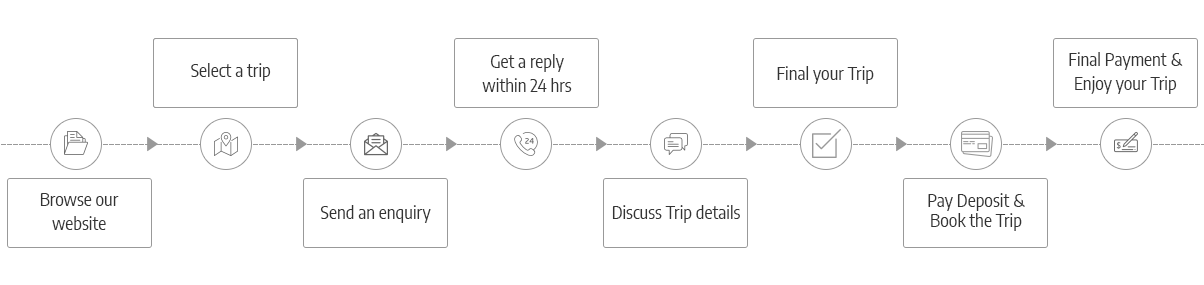
Contact us directly to discuss your dates, group size, and preferences. We respond within 24 hours with a detailed, personalized itinerary and quote.
Ask our experts (Inquiry)
Why Travel with us?
- Run by local experts, guide & Sherpa.
- Focus on your needs.
- Good value for money.
- Real cared services.
- Government recognized company.
- Best reasonable rate.