


Pikey Peak Trek Cost 2026/ 2027: Detailed Pricing & Money Saving Tips
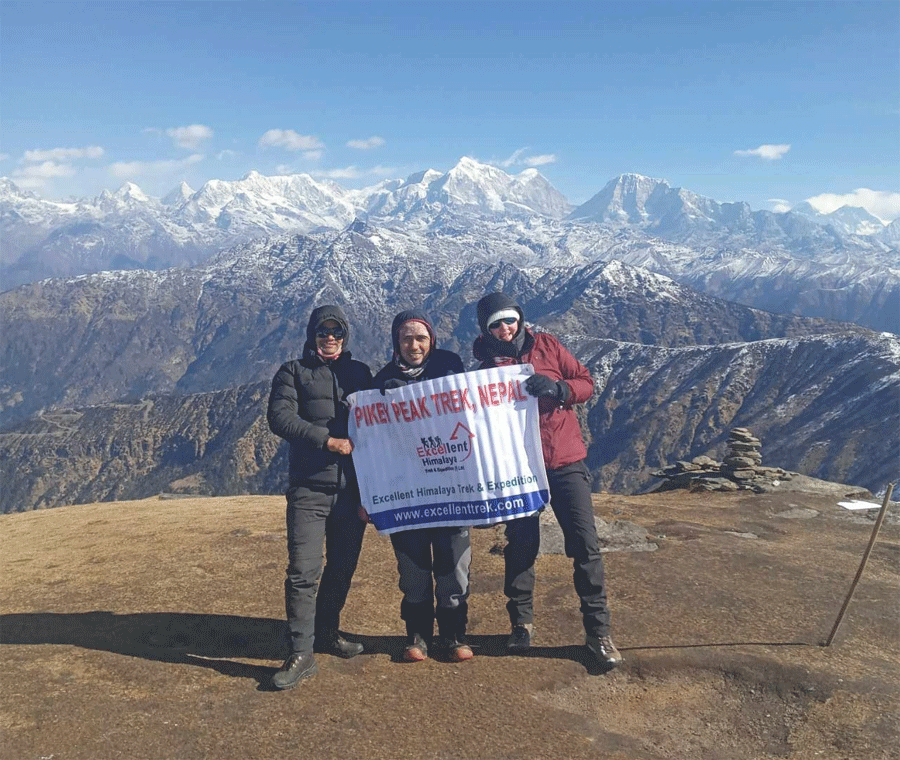
Pikey Peak Trek is a short but rewarding way of experiencing majestic Himalayan peaks. The Pikey Peak trekking trail is located in the lower region of Mount Everest. The major highlight of this trek is that you can observe the best view of the highest peak of the world Mt. Everest in the short trek.
From Pikey peak, you can also capture the views of other towering Himalayan peaks like mount Makalu, Kanchenjunga, Ama Dablam, Lhotse, Nuptse, Numbur, Gaurisankhar, Langtang and also Dhaulagiri to the far west.
 Pikey Peak is a less beaten, less crowded trekking route in the Everest region. The trail to Pikey Peak is full of absolute wilderness and serenity. It passes picturesque traditional villages and historical monasteries. The optimum height of this trek is 4070 m. Thus, it has the least chance of altitude sickness.
Further, this trip does not have any threat of flight cancellation/postponement because Pikey Peak Trek begins with a drive from Kathmandu to Dhap and can also end with a drive from Phaplu to Kathmandu.
Indeed, from the Pikey peak trek, you can explore the diversified natural beauty and experience the traditional living of different ethnic groups like Sherpa, Tamang, Chhetri, Gurung, and Rai. Additionally, Pikey peak rewards everyone with one of the best sunrise views with stunning Himalayan scenery.
The trail passes through dense forests of Pine, and Rhododendron trees. It is the habitat of different species of birds and animals like Lophophorus, Crimson Horned Pheasant, wild bear, Panda, Ghoral, and so on. Similarly, along the route, you can see yak, nak, and cow grazing here and there.
In Pikey Peak Trek you can enjoy the organic food produced locally and stay for a night halt at local tea houses.
Excellent Himalaya Trek and Expedition is the leading trekking operator and company managed by local tourism experts and Sherpas who have more than 20 years of experience organizing treks and expeditions into the Himalayan zone. We will take care of all permits and logistical matters, including food and accommodation on the trek.
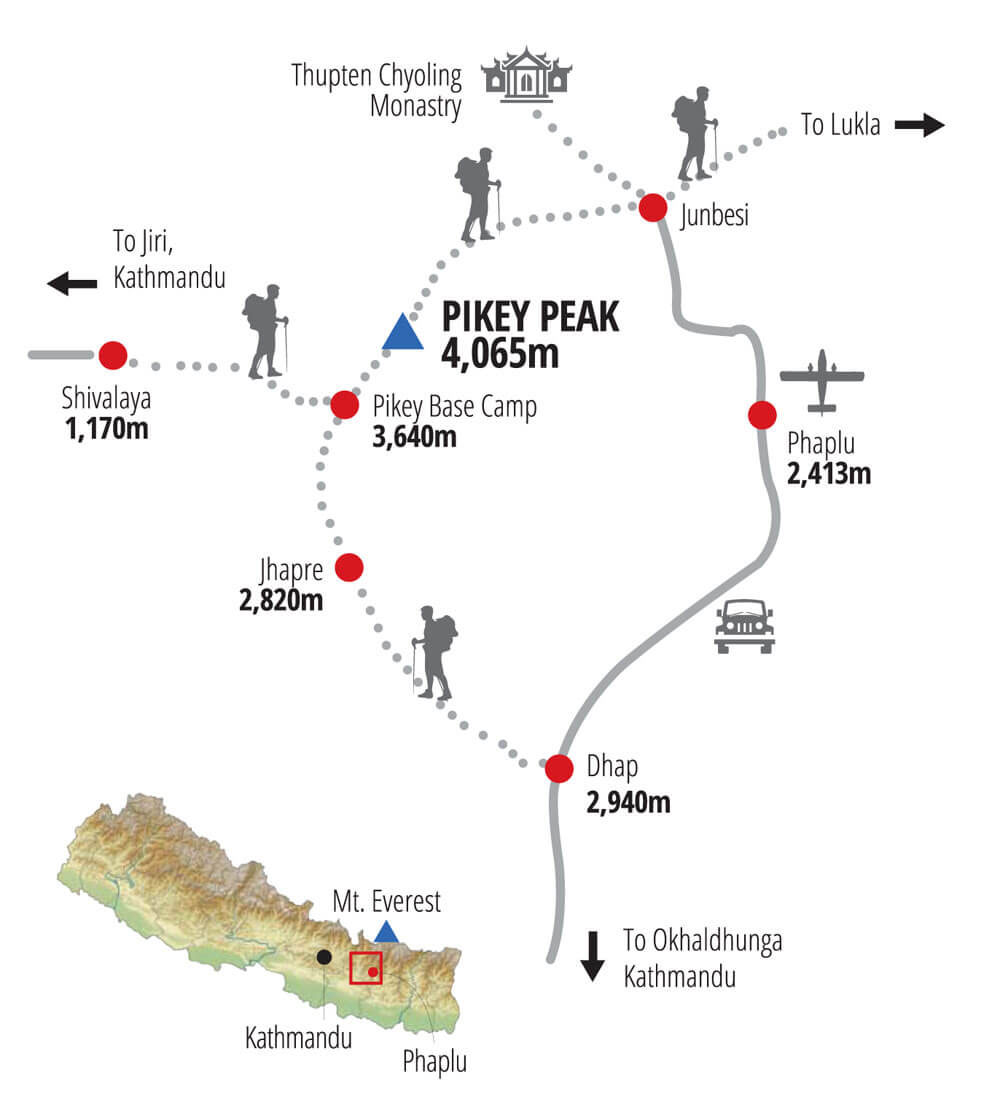
Outline of Pikey Peak Trek
| Day 1: Early morning drive from Kathmandu to Dhap Bazaar (Altitude 2850 meters). Duration: 8 hours of drive. Stay at Dhap. |
| Day 2: Trek from Dhap Bazaar to Japre (Altitude 2815 meters). Walking 4/5 hours. |
| Day 3: Trek from Jhapre to Pikey Base Camp (Altitude 3640 meters). Walking 6 hours. |
| Day 4: Trek from Pikey Base Camp to Pikey Peak (Altitude 4065 meters) to Jase Bhanjyang (Altitude 3520 meters). Walking 4/5 hours. |
| Day 5: Trek from Jase Bhanjyang to Junbesi (Altitude 2680 meters). Walking 5/ 6 hours. |
| Day 6: Trek from Junbesi to Phaplu (Altitude 2380 meters). Walking 5/6 hours. |
| Day 7: Morning drive from Phaplu to Kathmandu (Altitude: 1350 meters). |
Pikey Peak Trek Cost in Nepal
Looking at the broader market, typical 7–9 day pikey peak trek packages from various trekking agencies in Nepal range roughly from USD 500–800 for bare-bones budget options to USD 900–1,100 through Western operators. International agencies often charge USD 1,000–2,000 for similar services, making Kathmandu-based operators like Excellent Himalaya significantly more cost-effective.
At Excellent Himalaya Trek and Expedition Pvt. Ltd, we specialize in making this authentic himalayan adventure accessible to trekkers of all budgets. Whether you’re a solo traveler or a group, understanding the real costs upfront helps you plan an unforgettable journey without financial stress.
Several key factors drive the total peak trek cost:
Itinerary Length A shorter 5–6 day trek starting from Dhap costs less than an 9–10 day program that includes Kathmandu transfers and extra acclimatization days. The trek duration directly impacts accommodation, food, and staff costs.
Mode of Transport Transportation cost varies dramatically based on your choice of local buses, shared jeeps, or private vehicle options. Helicopter transfers exist but are rarely practical for this route.
Guide and Porter Services As of April 2023, a new regulation in Nepal requires trekkers to hire a licensed guide for any trekking or expedition, including the Pikey Peak trek. Whether you add porters and the experience level of your team affects daily rates.
Accommodation Standard Budget tea houses versus higher-end lodges, plus your Kathmandu hotel category, create significant price differences.
Here’s a quick comparison of budget levels:
- Low Budget (USD 400–550): Local bus transport, basic tea houses, shared guide among group members
- Mid-Range (USD 600–800): Private jeep, comfortable tea houses, dedicated guide and porter
With careful planning, daily on-trail spending stays around USD 25–40 per person when lodging and meals are at standard tea houses. This makes the pikey peak trek one of Nepal’s most accessible high-altitude experiences.
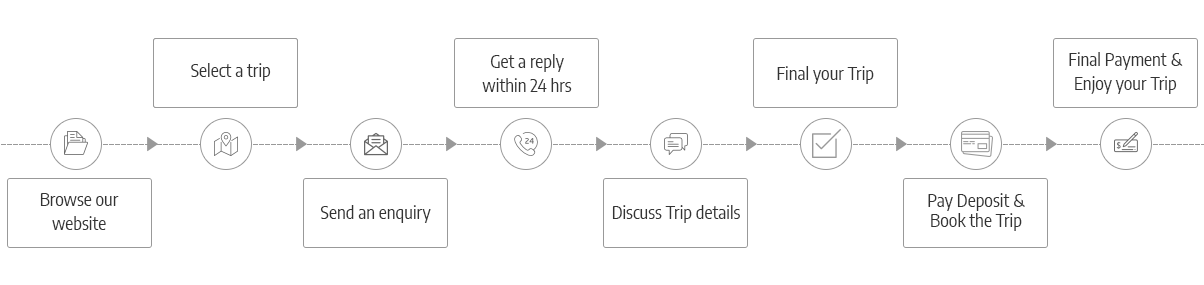
For the updated price of Pikey Peak Trek, you simply send us an inquiry mentioning your group size by email to [email protected] or by Whatsapp to +977 9851203181. Once we receive your message, we will get back to you with a reasonable updated price within 24 hours.
Transportation Cost (Kathmandu – Dhap – Kathmandu)
All Pikey Peak trips begin with an overland journey from Kathmandu, covering approximately 250 km over 8–10 hours to reach the trek starting point at Dhap or Jhapre. Traveling by road to Dhap from Kathmandu takes approximately 9 to 10 hours, and the return journey follows the same route.
Transportation Options and Costs
Local Bus (Kathmandu to Dhap) Transportation from Kathmandu to Dhap for the Pikey Peak trek can be done via local bus, which costs between $8-12 per person for an 8-10 hour ride. Round trip runs approximately USD 16–24. Expect basic seats, frequent stops, and variable reliability during monsoon season.
Shared Jeep Approximately USD 20–30 per person one way when seats are shared with other travelers. Availability depends on demand and may require flexibility with departure times.
Private Jeep Private jeep transportation from Kathmandu to the trailhead can cost between $200 and $250 per jeep one way for 4–6 passengers, making round trips approximately USD 400–500 per jeep. This is the most common choice for small groups prioritizing comfort and reliability.
Helicopter Transfer Helicopter transfers to the Pikey Peak trek starting point can cost between $800-1200 per person, providing a quicker but more expensive option compared to ground transportation. This option is rarely used for Pikey Peak given the accessibility of overland routes.
Money-Saving Tips for Transport
Book through us: Excellent Himalaya’s established relationships with vetted drivers ensure reliable departure times and fair pricing.
Permit and Travel Insurance Cost
Understanding permit requirements prevents unexpected expenses and ensures smooth entry to the pikey peak trek route.
Permit Requirements and Costs
Unlike other everest region treks that require Sagarmatha National Park entry permits, Pikey Peak sits in the lower Solukhumbu region with simpler permit requirements:
- TIMS Card: No TIMS card required for Pikey Peak
- Gaurishankar Conservation Area Permit: Required if your route overlaps this area; the Gaurishankar Conservation Area Permit costs approximately $21 to $30
Note that permits required for trekking include the Gaurishankar Conservation Area Permit, TIMS Card, Local Area Permit, and Sagarmatha National Park Permit for certain routes but Pikey Peak specifically requires only the local fee and potentially the Gaurishankar permit depending on your exact trekking route.
We arrange all necessary pikey peak trek permits in Kathmandu or at entry points, and these fees are included in our package prices. Exact 2026/2027 rates will be confirmed at booking as minor fluctuations occur with NPR-USD exchange rates (currently approximately 145 NPR per USD).
Travel Insurance Requirements
Travel insurance is highly recommended for the Pikey Peak Trek as it can cover unexpected medical expenses, emergency evacuation, trip cancellation, and other travel-related risks. We require all clients to have valid insurance before departure.
Coverage Requirements:
- Altitude coverage up to at least 4,500–5,000 meters
- Helicopter rescue and emergency evacuation
- Medical treatment including altitude sickness
- Trip interruption and cancellation
- Baggage protection
Cost Range: Travel insurance for the Pikey Peak Trek typically costs between USD 30 and USD 150, depending on the coverage and distance traveled. Most trekkers pay USD 30–80 for a 1–2 week policy.
It is important to choose a travel insurance policy that specifically covers altitude sickness, accidents, and other illnesses that may occur during the trek. Without proper coverage, helicopter rescue costs could exceed USD 5,000.
We provide guidance on what your policy should cover but do not sell insurance directly. Purchase your policy in your home country before departure.
Accommodation and Food Costs on Pikey Peak Trek
The pikey peak trek follows a classic tea house and homestay route through traditional Sherpa villages, offering simple but clean Sherpa-run lodges throughout. Accommodation options along the trek include tea houses and campsites near Pikey Peak Base Camp, each providing varying amenities and prices. This section covers realistic 2024/2025 pricing for accommodation and meals.
Daily expenses for teahouse accommodation typically range from $5 to $15 per night. Private rooms in teahouses can cost over USD 20 per night, especially during peak trekking seasons when prices may increase due to higher demand.
Meals on the trek generally cost between $15 and $30 per day for three meals.
Trek Accommodation Costs
Daily expenses for teahouse accommodation typically range from $5 to $15 per night. Teahouses along the Pikey Peak Trek provide basic accommodations, typically on a twin-sharing basis, with prices ranging from USD 5 to USD 10 per person per night.
Accommodation prices for teahouses increase with elevation. Expect:
- Lower villages (Dhap, Jhapre, Junbesi): USD 4–8 per person per night
- Pikey Base Camp and higher points: USD 8–15 per room due to limited capacity and remoteness
- Private rooms: Can cost over USD 20 per night, especially during peak trekking seasons when prices may increase due to higher demand
Accommodation options on the Pikey Peak Trek include homestays, which are generally less expensive than teahouses and offer a chance to experience local Nepali culture and cuisine. These provide excellent cultural immersion with family-style interactions.
Most teahouses provide communal dining areas where trekkers can relax and socialize, and they may offer additional services such as laundry and hot showers for an extra fee.
Kathmandu Accommodation
- Budget tourist hotel (Thamel): USD 25–40 per night for a double room with breakfast
- Mid-range hotel: USD 40–70+ depending on location and services
Our packages typically include 2–3 nights in Kathmandu at selected partner hotels matching your chosen package level.
Meal Costs During the Trek
Meals on the trek generally cost between $15 and $30 per day for three meals. During the Pikey Peak trek, meals at teahouses typically cost between USD 3 to USD 5 per dish in the lower regions, while higher up, prices may increase due to limited options.
Typical Meal Pricing:
- Breakfast (porridge, eggs, chapati, Tibetan bread): Breakfasts during the trek typically cost between USD 3 to USD 5
- Lunch (dal bhat, fried rice, noodles, soups): USD 5–9
- Dinner (similar to lunch with more variety): Lunches and dinners range from USD 5 to USD 10, depending on the menu and location
Food costs during the Pikey Peak trek typically range from USD 15 to USD 25 per day, depending on meal choices and locations along the trek.
On average, trekkers can expect to spend around USD 200 on meals for the entire duration of the Pikey Peak trek, which usually lasts about nine days.
Drinks:
- Tea/coffee: USD 1–2 per cup
- Bottled water: USD 1–2 per liter in lower villages, higher at remote points
Daily Food Budget: Approximately USD 18–25 per person for three meals plus a couple of hot drinks.
In our full-board packages, all three meals during the trek are included. You only pay directly for extra snacks, drinks, and bakery items beyond the standard menu.
Guide and Porter Costs (Mandatory Guide Rule)
Understanding guide and porter costs is essential for accurate budgeting. The Nepal Tourism Board now mandates professional guiding services for all foreign trekkers.
Mandatory Guide Requirement
As of April 2023, a new regulation in Nepal requires trekkers to hire a licensed guide for any trekking or expedition, including the Pikey Peak trek. This applies regardless of your experience level or the trek’s difficulty rating.
Guide Costs
The cost of hiring a guide for the Pikey Peak trek typically ranges from $25 to $35 per day, while hiring a porter costs between $20 and $30 per day.
Licensed English-Speaking Pikey Peak Trek Guide:
- Daily rate: USD 25–35
- Includes: Salary, food, accommodation, insurance, and equipment
- In our packages, this cost is bundled rather than charged day-by-day
A qualified guide provides navigation, local culture interpretation, altitude sickness monitoring, lodge pre-booking, and emergency support.
Porter Costs
- Standard porter (carrying 20–22 kg): USD 20–25 per day
- Includes: Food, accommodation, and insurance
- We follow ethical load limits and never overload porters
Many trekkers prefer to hire a combination of a guide and a porter, which generally costs between $25 and $30 per day, providing both navigation assistance and help with carrying luggage. This hybrid option works well for very small groups on tight budgets, though the divided attention means somewhat limited support.
Standalone Cost Calculation
For a typical 7-trekking-day itinerary, standalone hiring costs approximate:
- Guide: 7 × USD 30 = USD 210
- Porter: 7 × USD 22 = USD 154
- Combined: Approximately USD 364
Our packages bundle these services at competitive rates, often cheaper than hiring last-minute in Thamel where prices may be inflated for independent travelers.
Supplies, Gear, and Daily Necessities Costs
The stunning pikey peak doesn’t require technical climbing gear, but proper clothing and footwear make the difference between a challenging trek and a trek enjoyable experience.
Gear Purchase vs. Rental
Buying in Kathmandu or Home: Mid-range trekking gear including hiking boots, down jacket, sleeping bag, trekking poles, headlamp, and layers typically costs USD 200–300 total.
Renting in Kathmandu: Outdoor gear rental options in Kathmandu are available for approximately $1 to $2 per day per item for items like sleeping bags or down jackets. A full rental set for a 7–9 day trek runs approximately USD 40–70.
Essential items to consider:
- Trekking boots or hiking boots (proper ankle support essential)
- Sleeping bag rated for cold temperatures
- Down jacket for early mornings and summit day
- Layered clothing for variable conditions
- First aid kit with basics plus altitude medication
- Trekking poles for steep ascents and descents
Water and Purification
Bottled water along the route can total USD 25–40 for a 7–9 day trek at 2–3 liters daily. Water purification tablets for the entire trek cost approximately USD 5–10, offering significant savings and reducing plastic waste—supporting responsible trekking practices.
Other Necessities
- Snacks (chocolate, nuts, energy bars): USD 2–5 per day if purchased in Kathmandu; more expensive on trail
- SIM card and data package: USD 8–15 in Kathmandu for sufficient trek coverage
Miscellaneous Costs on the Pikey Peak Route
Tea houses charge separately for comfort services not included in basic room rates. Budget accordingly for these extras.
Typical Extra Charges
Miscellaneous expenses such as charging devices and hot showers can add an additional USD 2 to USD 10 per service during the trek.
- Hot showers: USD 3–5 in lower villages; USD 5–7 in higher or more remote areas
- Device charging (phone/camera/power bank): USD 1–3 per device
- Wi-Fi (where available): USD 2–5 per day or per login; connectivity not guaranteed in all villages
Other Potential Extras
- Laundry in Kathmandu: USD 1–2 per kg or piece
- Souvenirs from Solu region: USD 5–30 for local handicrafts and prayer flags
- Tips for guides and porters: Generally 10–15% of trek cost or USD 5–10 per trekking day per staff member, given collectively at the end
Recommended Buffer: Budget an additional USD 50–100 per person for miscellaneous on-trek expenses, excluding personal shopping.
In Excellent Himalaya packages, services like charging and hot showers are paid directly to lodges, supporting local businesses and the rich cultural heritage of these mountain communities.
How to Minimize Your Pikey Peak Trek Cost (Money-Saving Tips)
Pikey Peak already ranks among Nepal’s best-value Everest-view treks. Smart planning reduces costs further without sacrificing safety or experience. The pikey peak trek suitable for budget-conscious travelers becomes even more accessible with these strategies.
Transport Savings
- Join a fixed-date departure with Excellent Himalaya to share private jeep costs
- Mix transport modes: Local buses from Kathmandu to Dhap cost less; take a private jeep back when tired
- Avoid helicopter transfers unless medically necessary—they’re rarely practical for this accessible route
Accommodation and Food Savings
- Choose standard tea houses over “luxury” lodges; the natural beauty outside matters more than interior amenities
- Share rooms to avoid single supplements wherever possible
- Eat dal bhat frequently—this filling Nepali staple often includes free refills of rice and lentils
- Stay at homestays in smaller villages for lower prices and authentic local culture experiences
Gear and Supplies Savings
- Bring personal gear from home to avoid last-minute Kathmandu purchases at tourist prices
- Rent big-ticket items (sleeping bag, down jacket) if you don’t trek regularly
- Pack snacks from Kathmandu where prices are 50% lower than on the trail
Water and Extras Savings
- Carry a reusable bottle with water purification tablets or drops
- Limit alcohol and soft drinks on trek—these cost disproportionately more than tea or local drinks
- Charge devices at lower elevations where rates are cheaper
Booking and Group Savings
- Book directly with local operators like Excellent Himalaya instead of overseas resellers to avoid middleman commissions
- Travel in small groups (3–6 people) to share guide, porter, and transport costs while maintaining flexibility
- Consider off-peak season (December–February, June–August) for lower prices on accommodation and services
Contact us for a customized quote tailored to your budget. We’ll provide clear breakdowns showing where savings are possible and where not to compromise—particularly on permits, travel insurance, and licensed guide requirements.
Best Time to Trek Pikey Peak and Seasonal Price Differences
Trekking to Pikey Peak is possible year-round, but the experiences and views vary significantly with the seasons, with autumn and spring offering the most favorable conditions. Costs and availability also shift by season.
Autumn (September–November)
The best time to trek Pikey Peak is during the autumn season, specifically from September to November, when the weather is generally clear and dry, providing excellent views of the surrounding mountains.
- Weather: Clear skies, stable conditions, stunning mountain views
- Pricing: Peak season rates; expect to pay toward the upper end of price ranges
- Availability: High demand for guides, jeeps, and tea houses; early booking essential
- Crowds: Most popular season with more trekkers on trails
Spring (March–May)
Spring, from March to May, is the second-best season for trekking Pikey Peak, characterized by blooming rhododendron forests and pleasant weather, making it a popular time for trekkers.
- Weather: Mild temperatures, occasional afternoon clouds, lush forests in bloom
- Pricing: Similar to autumn; sometimes slightly cheaper in early March or late May
- Highlights: Rhododendron forests create stunning color along the trekking route
- Conditions: Pleasant for the gradual ascent to Pikey Peak summit
Winter (December–February)
- Weather: Colder temperatures, possibility of snow near the summit, clear visibility on many days
- Pricing: Lower rates on accommodation; agencies may offer winter discounts
- Crowds: Fewer trekkers; some lodges may close in remote areas
- Requirements: Proper winter gear essential; this isn’t an easy trek without preparation
- Benefits: Crowd-free trails and often excellent mountain visibility
Monsoon Season (June–August)
- Weather: Wet and cloudy, leeches in lower lush forests, reduced visibility
- Pricing: Lowest costs on accommodation and guiding fees; fewer organized departures
- Transport: Road disruptions possible due to conditions
- Best for: Experienced or flexible trekkers comfortable with unpredictable conditions
Excellent Himalaya adjusts pricing modestly by season. Peak-season departures cost slightly more while remaining competitive, reflecting higher demand for limited guide and transport resources.
Pikey Peak Trek Cost: Solo vs Group with Excellent Himalaya
Solo trekking without a guide is no longer permitted under Nepal regulations, but you have options ranging from private treks with your own dedicated guide to joining groups for cost efficiency.
Solo (Private) Trek
- Cost: Approximately 20–30% more expensive per person
- Example: A 9-day private trek to pikey peak typically costs USD 780–900 depending on season and hotel category
- Benefits: Flexible pace, personalized attention, customized itinerary
- Best for: Travelers with specific schedules or preferences
Small Group (2–3 Trekkers)
- Cost: Significant savings from shared guide and jeep
- Example: About USD 620–750 per person for a similar 9-day program with shared private jeep and standard tea houses
- Benefits: Balance of personalization and cost efficiency
- Best for: Couples or friends traveling together
Medium Group (4–8 Trekkers)
- Cost: Best value per person with efficiently shared resources
- Example: Pricing can fall to approximately USD 500–650 per person with same inclusions
- Benefits: Social atmosphere, maximum cost sharing
- Best for: Budget-focused travelers open to meeting fellow trekkers
We never compromise on guide quality, pikey peak trek permits, or safety to lower per-person prices. The savings come from efficient resource sharing, not cut corners.
What’s Included and Excluded in Our Pikey Peak Trek Package
Transparency builds trust. Here’s exactly what your pikey peak trek package covers and what remains your responsibility.
Inclusions
- All ground transportation Kathmandu to Dhap to Kathmandu (local bus or private jeep as per chosen package)
- Licensed English-speaking trekking guide throughout the trek
- Required porter(s) including their salary, food, accommodation, insurance, and equipment
- Tea house/homestay accommodation during the trek (twin-sharing basis)
- Three meals per day on trek (breakfast, lunch, dinner) from lodge menus
- All required local permits and rural municipality fees for the Pikey Peak region
- Standard hotel accommodation in Kathmandu for 2–3 nights with breakfast (hotel category per package)
- Government taxes, office service charges, and trekking agency paperwork
- Pre-trek briefing and equipment check
Exclusions
- International flights to/from Tribhuvan International Airport and Nepal visa fees
- Personal travel insurance with emergency evacuation coverage (required)
- Personal trekking gear and equipment purchases or rentals
- Drinks beyond included meals (bottled water, soft drinks, alcohol)
- Snacks and bakery items beyond standard meals
- Hot showers at tea houses
- Battery/device charging fees
- Wi-Fi access charges
- Personal laundry on the trek
- Tips for guides, porters, and drivers
- Extra nights in Kathmandu or on trail due to delays, weather, or personal decisions
- Any expenses of personal nature
- National park entry permit fees if route extends into protected areas
This clear separation ensures you know exactly where your money goes and can budget accurately for additional expenses.
Frequently Asked Questions about Pikey Peak Trek Cost
These FAQs address the most common budget and payment questions we receive about the pikey peak trek.
What is the cheapest realistic budget for a safe Pikey Peak trek?
With local buses, basic tea houses, and a shared guide/porter arrangement, you can complete the trek safely for roughly USD 480–550 per person in a group of 4–10 with Excellent Himalaya. Add approximately USD 80–150 in personal expenses for drinks, hot showers, charging, snacks, tips, and optional purchases. This represents excellent value for high altitude trekking with stunning mountain views of the majestic himalayan range including towering peaks like Mount Everest.
Can I pay for the Pikey Peak trek in installments?
Yes. Our standard practice involves a small deposit (typically 15–30% of total cost) via bank transfer or online payment to confirm your booking. The balance is payable in cash or card upon arrival in Kathmandu before departure. Note that card payments may incur a small processing surcharge depending on your bank and card type.
Are ATMs or card payments available on the trek?
No reliable ATMs exist along the pikey peak trek route, and most tea houses accept cash only. Bring sufficient Nepalese rupees from Kathmandu for all on-trail expenses plus a buffer. The capital city has numerous ATMs and money exchange services in Thamel and tourist areas.
Is it cheaper to arrange everything myself instead of taking a package?
While self-arranged trips might save small amounts, they add significant complexity and risk. Due to the mandatory guide rule, permit logistics, transport arrangements, and the need to coordinate with lodges, many trekkers find our packages equal or cheaper when all hidden costs are calculated. You also benefit from our established relationships with reliable drivers, experienced guides, and quality tea houses throughout the charming villages of Solukhumbu.
How much extra cash should I carry on the trek?
We recommend bringing at least USD 80–150 equivalent in NPR per person for drinks, hot showers, device charging, snacks, souvenirs, and tips. Heavier spenders or those wanting more flexibility should carry toward the higher end. Better to have a small buffer than to run short in remote areas.
Can I customize the Pikey Peak itinerary to fit my budget?
Absolutely. We regularly adjust itineraries to match individual budgets:
- Shorten or lengthen the trek duration
- Change transport mode (bus vs. jeep)
- Adjust Kathmandu hotel categories
- Modify porter arrangements
We’ll preserve safety standards while finding savings that make sense. The pikey peak trek takes most trekkers 7–9 days, but we can customize based on your previous trekking experience and fitness level.
Does the trek require previous trekking experience?
Pikey Peak is classified as a moderate trek rather than a challenging trek, making it accessible to reasonably fit individuals without extensive mountaineering background. However, basic hiking fitness helps, and the gradual ascent profile reduces acute mountain sickness risk. Our guides monitor for signs of altitude sickness and can treat altitude sickness symptoms with appropriate medication and descent if necessary. No technical skills are required—just determination and proper trekking boots.
What about the Sagarmatha National Park entry requirements?
Unlike the classic Everest Base Camp trek, the pikey peak trek route doesn’t require a Sagarmatha National Park permit or national park entry permit. The route stays in lower Solukhumbu, avoiding the national park entry permit fees that add USD 30+ to other everest region treks. This contributes to the overall cost advantage of choosing Pikey Peak.
For personalized cost breakdowns for your specific travel dates in 2024/2025, contact our team directly. We’ll provide detailed quotes matching your group size, season, and preferences.
Conclusion: Booking Your Affordable Pikey Peak Trek with Excellent Himalaya
The stunning Pikey Peak delivers Everest and himalayan range panoramas at a fraction of Everest Base Camp costs. Sir Edmund Hillary himself reportedly favored this viewpoint during his early Himalayan expeditions, and modern trekkers continue discovering why the summit at 4,065 meters offers one of Nepal’s finest mountain vistas.
A well-organized 8–9 day trek is typically within reach for travelers across budget levels, especially when booked with a local expert like Excellent Himalaya Trek and Expedition Pvt. Ltd. From budget group treks starting around USD 480 to comfortable private options under USD 900, this authentic himalayan adventure remains accessible without the USD 1,500+ price tags of EBC alternatives.
Our commitment to you is straightforward:
- Transparent pricing with no hidden charges
- Multiple budget levels all featuring licensed guides and proper permits
- Clear guidance on where to save and where not to compromise (safety, insurance, qualified guides)
- Cultural richness through traditional sherpa villages and the natural beauty of the Solukhumbu region
If you are ready to plan your trek? Kindly request us a detailed quotation for your preferred month and group size.
Whether you’re seeking an easy trek alternative to crowded EBC routes or your first taste of Nepal’s legendary mountains, Pikey Peak delivers exceptional value. Contact Excellent Himalaya today, and let us help you experience the stunning panoramic views that have captivated mountaineers for generations.
Detailed Itinerary of Pikey Peak Trek Nepal
Day 01: Arrival in Kathmandu transfer to hotel.
Upon arrival at Tribhuvan International airport in Kathmandu, you will be met and welcomed by an officer from Excellent Himalaya Trek and Expedition. He will assist you to transfer your hotel by our car. You will be briefed about your trip to the hotel. Then, you can relax at your hotel or wander around Thamel, the tourist center of Kathmandu, and do some last-minute shopping. Overnight at a hotel in Kathmandu.
Day 02: Drive from Kathmandu to Dhap Bazaar (Altitude 2850 meters). Driving Distance: 240 km. Duration: 8 hours of drive.
The first leg of our journey takes you by road from Kathmandu to Dhap Bazaar. You follow the road along the banks of the Sunkoshi River until you reach Ghurmi Village. Along the way, you can sit back and admire the constantly changing Nepali countryside of dense forests, terraced rice fields, and numerous gushing rivers. You eventually reach Dhap Bazaar where we can take a leisurely walk around the markets. Overnight at Mountain Lodge.
Day 03: Trek from Dhap Bazaar to Japre (Altitude 2815 meters). Distance: 14 km. Walking Duration: 4/5 hours.
From Dhap you start the trek. As you near Sigane, you will get a view of the peaks of the Numbur Himal range. The trail from Sigane follows a road under construction for the first couple of hours. The first village you reach is called Japre (2920 m). It is located above a deep valley with lovely views of Everest and Numbur Himal. There’s a pretty little Buddhist Monastery and stupa. In Japre you stop for the night halt. Overnight at Mountain Lodge.
Day 04: Trek from Jhapre to Pikey Base Camp (Altitude 3640 meters). Distance 13.73 km. Walking Duration: 5/6 hours.
After Japre, you follow the trail which climbs up to a grassy ridge at Bhulbhule. From there also you will have nice views of the Everest range. Soon after Bhulbhule, the trail splits and you’ll turn right to Pikey Peak. You’ll pass some old yak houses and a long mani stone wall. The trail then contours the hillside below Taklung Danda and goes through a beautiful forested trail. There are many rhododendron trees here along a level path (which you can see in bloom if trekking in the spring). As you leave the forest, it’s around 2 hours to reach Pikey Peak base camp. Overnight at Mountain Lodge.
Day 05: Trek from Pikey Base Camp to Pikey Peak (Altitude 4065 meters) to Jase Bhanjyang (Altitude 3520 meters). Distance around 5 km. Walking Duration 4/5 hours.
Today early morning you start trekking to the famous viewpoint of Pikey Peak. You can enjoy the sunrise and mountain views of Mt. Everest (8848m), Number Chuli (6959m), Thamserku (6608m), Kangtega (6685m), Khatang (6853m), Kanchenjunga (8586m), Manaslu (8163m), Dhaulagiri (8167m), Gaurishankar (7134m), Dorje Lakpa (6966m) and Langtang. After taking in the extensive panorama from Pikey Peak we will descend to Jase Bhnajyang and rest (Today walking distance is short but because of steps up and down hiking, walking time will take around 4/5 hours. Thus it is wise to stay at Jase Bhanjyang for night stay and take a rest). Overnight at Mountain Lodge.
Day 06: Trek from Jase Bhanjyang to Junbesi (Altitude 2680 meters). Distance 11.02 km. Walking Duration 5/ 6 hours.
After breakfast, you follow the trail through the forest. After the forest, you walk through the meadow. Then you arrive village named Taktor. Have lunch in this village. Then continue the trek towards Junbesi by wide dirt road. Before arriving in Junbesi, you can visit Buddhist Monastery. Junbesi is a beautiful village with Buddhist Stupa, and comfortable tea houses. This is the village of the Sherpa, Magar, and Tamang people. Overnight at Mountain Lodge.
Day 07: Trek from Junbesi to Phaplu (Altitude 2380 meters). Distance: 13.26 km. Walking Duration: 5/6 hours.
After breakfast, you will follow the descending dusty trail along the Junbesi Khola until reaching a steel suspension bridge. After crossing the bridge you will reach Beni Ghat. You will continue your walk along the trail filled with scenic pleasures before reaching Phaplu. At Phaplu we can sample the local cuisine and drink while taking part in a traditional Sherpa cultural event. Overnight at Mountain Lodge.
Day 08: Drive from Phaplu to Kathmandu (Altitude: 1350 meters). Driving Distance 280 km. Driving around 9/10 hours.
Drive from Phaplu to Kathmandu with a regular sumo jeep. Upon arrival at Kathmandu, transfer to the hotel. In the evening farewell dinner at an authentic Nepali restaurant with Nepali cuisine.
Day 09: Transfer to International Airport for your Final Departure.
Today is your ending day in Nepal. Our officer will take you to the airport approximately 3 hours before your scheduled flight. He will drop you at the Kathmandu airport for your flight to the onward journey.
Note:
. In Junbesi, if you are interested to visit Thupten Choling Monastery, one day will be added to the above itinerary. It’s a day trip from Junbesi to Thupten Choling Monastery to Junbesi around 5 to 6 hours of hiking.
. The walking hours mentioned above may be different according to the pace of trekkers and the distance may some different according to the various navigation devices.
Why Excellent Himalaya Trek and Expedition for Pikey Peak Trek?
Excellent Himalaya Trek and Expedition Pvt Ltd is the leading trekking and tour company authorized by Nepal Government Tourism Ministry based in Kathmandu Nepal. We are managed by Nepalese tourism experts, local guides, and Sherpa. Our team is engaged in the Nepalese tourism industry since 2002. Our License no. from Nepal Government to operate trekking tours in Nepal is 2432. We are also associated with different tourism organizations like TAAN (Trekking Agencies Association of Nepal), NMA (Nepal Mountaineering Association), etc.
Our further features are as below by which people around the world trust us as the authentic organizer of Pikey Peak Trek:
Team of Local Experts and Guides: As this company is managed and run by well-trained, experienced & competent local experts, and guides, we know well about the mountain trail, ecology, culture, etc. of the trekking routes. We know the best way of trekking and also we get you the same way.
Trustworthy: Trust is something that comes from commitment. Hence, being a legally registered company, we commit to providing the best, most satisfactory trekking, tour, and expedition. We are operating all trekking, and climbing tours in Nepal based on reality, integrity, and honesty.
Focus on your needs: We highly value all our clients. We always move according to your interest and requirements. Because your satisfaction is our goal. Thus, all our trekking, tour, and mountaineering packages are customizable.
Fair Price: As we are a direct operator, not an agent, our price is always competitive that does not have any middle and hidden fees. We provide the value of what you are buying from our services at least equal to the amount you are paying.
Safety: Your safety is our first priority. Trekking to the Himalayas is both exciting and adventurous. So we provide you with all the safety materials needed, along with motivational counseling.
Friendly, and Professional Staff: We have highly friendly, helpful, and professional staff. Our staff looks after you right from the moment of your arrival to the time of your departure. They are able to cope with most emergency situations including those requiring evacuation and hospitalization.
Real Cared Services: Our one travel consultant or our local trekking guide keeps in touch with our clients every time. We make sure their protection is guaranteed so that they will have peace of mind while trekking with us.
Ask our experts (Inquiry)
Why Travel with us?
- Run by local experts, guide & Sherpa.
- Focus on your needs.
- Good value for money.
- Real cared services.
- Government recognized company.
- Best reasonable rate.