

Everest Three Passes Trek Cost 2026/2027

Updated [July 15th, 2026]. Written and reviewed by Suman Shrestha, licensed guide (Nepal Government License No. 2212)
Quick Answer
The Everest Three Passes Trek costs USD 1,415–1,495 per person with Excellent Himalaya Trek & Expedition for a standard 19-day Kathmandu-to-Kathmandu itinerary in 2026/2027, including Lukla flights, permits, teahouse lodging, three meals a day, and a licensed guide. Budget an additional USD 300–500 for travel insurance, personal expenses, tips, and gear rental. International operators typically charge USD 2,200–3,500 for the same route.
Overview of the Three Passes Trek
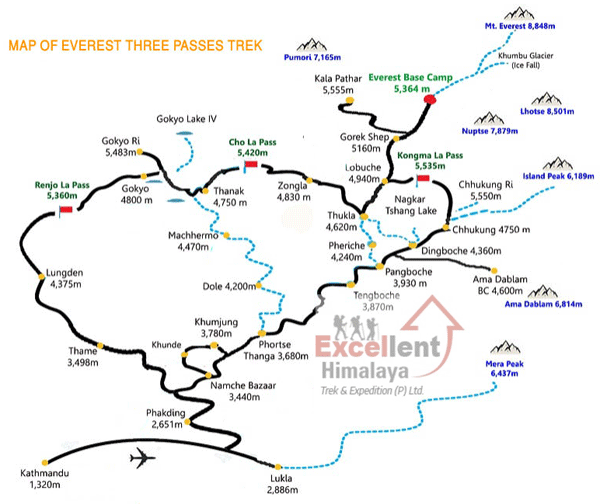
The Everest Three Passes Trek is the most complete high-altitude circuit in the Khumbu region, crossing Kongma La Pass, Cho La Pass, and Renjo La Pass while also visiting Everest Base Camp, Kala Patthar, and Gokyo Lake. It combines the highlights of the Everest Base Camp trek and the Gokyo Lake trek into one continuous route, making it the preferred choice for experienced trekkers who want the full Khumbu experience in a single trip rather than three separate ones.
| Pass | Elevation | Note |
| Kongma La Pass | 5,535m / 18,159ft | The highest of the three crossed from Chhukung to Lobuche |
| Cho La Pass | 5,420m / 17,782ft | The glacier crossing between Dzongla and Thangnak is often icy |
| Renjo La Pass | 5,360m / 17,585ft | Crossed from Gokyo to Marlung, the finest Everest panorama of the three |
 Highlights of the Everest Three Passes Trek
• Explore Namche Bazaar, the trade center of the Everest region and also the gateway to Everest Base Camp
• Visit Tengboche Monastery, the largest in the Khumbu region
• Trek through Sagarmatha National Park, UNESCO World Heritage Site
• Cross over Kongma La Pass (5535 meters /18159 feet), Cho La Pass (5368 meters/ 17612 feet), and Renjo La Pass (5360 meters/17585 feet)
• Hike Kala Patthar to enjoy the 360-degree panoramic view of Mount Everest and the nearby snowcapped peaks from Kala Patthar
• Visit Everest Base Camp, the foothill of the tallest mountain in the world, ‘Everest.’
• Visit the famous alpine lake ‘Gokyo Lake’ located at an altitude of 4750m/15584ft.
• Climb Gokyo Ri (5357m/17575 ft) for outstanding Himalayan views and Glaciers.
• Pass through Sherpa villages on the route
• Experience Sherpa culture, tradition, and lifestyle
Three Passes Trek Cost 2026/2027
With Excellent Himalaya Trek & Expedition, the Everest Three Passes Trek costs USD 1,415–1,495 per person — well below the USD 2,200–3,500 charged by many international operators for the same route, passes, and duration.
| Group Size | Price per Person |
| 2 people | USD 1,495 |
| 3–4 people | USD 1,475 |
| 5–6 people | USD 1,455 |
| 7–8 people | USD 1,435 |
| 9–10 people | USD 1,415 |
Solo trekkers pay a single-supplement premium above the 2-person rate — contact us for a solo quote. Rates are for the standard 19-day itinerary; a Gokyo-Ri-and-two-pass or shorter variant will be priced separately.
Package Cost Includes
- Airport pickup and drop-off by private vehicle
- 2 nights in a Kathmandu tourist-standard hotel with breakfast (pre- and post-trek)
- Domestic airfare Kathmandu–Lukla–Kathmandu, plus airport tax
- 15 nights in mountain lodges/teahouses during the trek
- Three meals a day (breakfast, lunch, dinner) while trekking
- One licensed, English-speaking trekking guide
- Sagarmatha National Park entry permit and Khumbu Pasang Lhamu Rural Municipality permit
- Staff wages, insurance, food, and accommodation for the guide and the porter
- First-aid kit, oximeter, and basic altitude medicine are carried by the guide
- Trekking route map and a trip completion certificate
- All government and local taxes
- Farewell dinner in Kathmandu with cultural dance
Package Cost Does Not Include
- International airfare to and from Nepal
- Nepal entry visa fee (available on arrival)
- Travel insurance with high-altitude and helicopter evacuation cover
- Porter (available on request as an add-on)
- Alcoholic drinks, hot/cold drinks, bottled water, and desserts
- Personal expenses: WiFi, device charging, hot showers, laundry, excess baggage
- Lunch and dinner in Kathmandu
- Emergency evacuation costs
- Tips for the guide and porter
- Costs from trip delays, cancellations, illness, or natural events outside our control
19-Day Itinerary Overview
| Day | Route | Overnight Altitude |
| 1 | Arrive Kathmandu | 1,400m |
| 2 | Fly to Lukla, trek to Phakding | 2,610m |
| 3 | Phakding to Namche Bazaar | 3,441m |
| 4 | Acclimatization day – Khumjung/Shyangboche | 3,441m |
| 5 | Namche to Tengboche | 3,860m |
| 6 | Tengboche to Dingboche | 4,350m |
| 7 | Dingboche to Chhukung | 4,730m |
| 8 | Acclimatization day – Chhukung Ri | 4,730m |
| 9 | Chhukung to Lobuche via Kongma La Pass | 4,940m |
| 10 | Lobuche to Everest Base Camp, return to Gorak Shep | 5,364m |
| 11 | Kala Patthar sunrise, trek to Dzongla | 4,830m |
| 12 | Dzongla to Thangnak via Cho La Pass | 4,700m |
| 13 | Thangnak to Gokyo | 4,790m |
| 14 | Gokyo Ri climb, rest day in Gokyo | 4,790m |
| 15 | Gokyo to Marlung via Renjo La Pass | 4,210m |
| 16 | Marlung to Namche Bazaar | 3,441m |
| 17 | Namche to Lukla | 2,860m |
| 18 | Fly Lukla to Kathmandu | 1,400m |
| 19 | Final departure | — |
Trekking days total roughly 130–140km with a net elevation gain of over 5,300m across three passes. Two dedicated acclimatization days are built in; guides may add a third buffer day around Kongma La or Cho La, depending on conditions.

Detailed Cost Breakdown
Guide and porter wages, permits, and flights make up the bulk of a fixed package price. The table below breaks out individual components for trekkers, comparing packages or budgeting an independent arrangement.
| Component | Cost Range | Notes |
| Licensed guide (18–19 days) | USD 540–855 | Higher for strong English and altitude experience |
| Porter (18–19 days) | USD 450–665 | Typically, one porter per two trekkers |
| Sagarmatha National Park entry permit | USD 22–25 | NPR 3,000; required for all trekkers |
| Khumbu Pasang Lhamu Rural Municipality permit | USD 22–25 | NPR 3,000 since the September 2024 fee increase; obtained in Lukla or Monjo, not Kathmandu |
| Kathmandu–Lukla flights (return) | USD 420–500 | Foreign-national fare; higher in peak season and when routed via Ramechhap |
| Kathmandu–Ramechhap ground transfer | USD 25–50 per person | Required during peak season when flights divert to Manthali Airport; 4–5 hour pre-dawn drive |
| Kathmandu hotel (pre/post-trek) | USD 25–70/night | Tourist-standard 3-star |
| Teahouse lodging on trek | USD 5–20/night | Higher at remote high-altitude lodges near Gokyo and Lobuche |
| Meals on trek | USD 20–35/day | Prices rise with altitude and remoteness |
Optional and Variable Costs
- Travel insurance (high-altitude, evacuation cover): USD 100–150 for 30–40 days
- Gear rental (sleeping bag, down jacket, poles): USD 50–100 for the full trek
- Single room supplement: 20–50% above shared-room rate at specific lodges
- Hot showers: USD 3–8 each
- WiFi: USD 3–10/day, where available
- Device charging: USD 2–5 per charge
- Tips for guide and porter: USD 10–15/day per staff member, customary at trek end

Lukla Flights and the Ramechhap Diversion
During peak trekking season — roughly mid-March to mid-May and late September through November — Nepal’s Civil Aviation Authority moves all Lukla-bound flights from Kathmandu’s Tribhuvan International Airport to Manthali Airport in Ramechhap, about 4–5 hours away by road. This is a mandatory seasonal rule, not an operator choice, and applies to every airline flying the route. Our itineraries account for the pre-dawn Ramechhap transfer during these windows so it doesn’t cost you a trekking day.
Independent Trekker Daily Budget Template
For trekkers pricing out a guide-and-porter arrangement separately from a fixed package, this is a realistic day-by-day lodging and meal budget along the Three Passes route.
| Route Section | Daily Budget | What It Covers |
| Lukla – Namche (Days 1–3) | USD 25–35/day | Lodging USD 5–10, meals USD 15–20, incidentals USD 5 |
| Namche – Dingboche/Chhukung (Days 4–8) | USD 30–40/day | Meal prices rise with altitude; add hot shower/WiFi if wanted |
| Kongma La to Everest Base Camp/Gokyo (Days 9–15) | USD 40–55/day | Highest lodging and meal prices on the route; limited competition at remote lodges |
| Return via Namche to Lukla (Days 16–17) | USD 25–35/day | Prices drop back toward Namche-level rates |
This template covers only lodging, meals, and small daily extras for a trekker traveling with an independently-hired guide and porter. It excludes permits, flights, guide/porter wages, and insurance, which are covered separately in the cost-component table above. Even though solo unguided trekking is no longer permitted in the Khumbu, many trekkers still price out guide and lodging separately rather than booking a fixed package — this table is for that comparison.
Fixed-Wing vs. Helicopter to Lukla
| Option | Cost | Notes |
| Kathmandu–Lukla fixed-wing (return) | USD 420–500 | Standard option; subject to Ramechhap diversion in peak season |
| Shared helicopter seat, one-way | USD 500–650 | Books faster during weather backlogs; limited seats |
| Private helicopter charter (up to 5 pax) | USD 2,500–4,000 per flight | Fastest guaranteed departure; typically used to break weather delays or for VIP scheduling |
A helicopter is not part of the standard package and is booked separately, usually only when fixed-wing flights back up during a multi-day weather closure. It is not a substitute for emergency evacuation insurance, which is a different service entirely.
Currency, Cash, and ATMs
Bring US dollars in cash to exchange in Kathmandu; major currencies (EUR, GBP, AUD) are also exchangeable but USD gets the most consistent rates. ATMs are reliable in Kathmandu and Namche Bazaar, but do not exist beyond Namche — carry enough Nepali rupees and USD cash for the remainder of the Three Passes route, including Gokyo, Lobuche, and Gorak Shep, where card payment is not an option.
Recommended Travel Insurance Providers
- World Nomads — widely used by trekkers, offers policies with explicit high-altitude and helicopter evacuation riders
- Global Rescue — a membership-based evacuation service popular with mountaineering and expedition trekkers
- IMG Global — travel medical cover with optional high-altitude extensions
Three Passes Trek Cost vs. Related Everest (Khumbu) Treks
| Trek | Cost per Person | Key Difference |
| Everest Base Camp Trek (12–14 days) | USD 1,125–1,250 | One destination, no high passes above 5,300m |
| Gokyo Lake Trek (11–13 days) | USD 1,065–1,215 | Reaches Gokyo Ri and the Ngozumpa Glacier without crossing passes |
| Everest Base Camp + Gokyo Lake Trek (16–17 days) | USD 1,300–1,450 | Combines both without the three high-altitude passes |
| Everest Three Passes Trek (18–19 days) | USD 1,415–1,495 | Everything above, plus Kongma La, Cho La, and Renjo La passes |
The Three Passes Trek costs more than the standalone EBC or Gokyo treks mainly because of two to four extra trekking days and additional guide/porter wages — permit and flight costs are the same across all four routes since they share the same Lukla gateway and Sagarmatha National Park entry.
Best Time for the Three Passes Trek
- March–May (spring) — Rhododendron blooms, stable weather, good pass-crossing conditions. Busiest season alongside autumn.
- September–November (autumn) — Clearest mountain views and the most reliable Lukla flight schedule; the most popular window for the three passes.
- December–February (winter) — Passes may be snowbound and harder to cross; fewer trekkers and lower lodge prices, but higher risk of weather delays.
June–August (monsoon) — Not recommended for the high passes — poor visibility, slippery trails, and frequent.
Permits and Regulations
| Permit | Cost | Where to Obtain |
| Sagarmatha National Park Entry Permit | NPR 3,000 (~USD 25) | Nepal Tourism Board, Kathmandu, or the park entrance at Monjo |
| Khumbu Pasang Lhamu Rural Municipality Permit | NPR 3,000 (~USD 25) | Lukla or Monjo only — not issued in Kathmandu |
Since April 2023, Nepal’s government has required all trekkers in the Khumbu region to be accompanied by a licensed guide — independent, unguided trekking is no longer permitted for the Three Passes route. This regulation is actively enforced at the Monjo checkpoint. A standalone TIMS card is not separately required in the Khumbu region; the two permits above cover registration and access.
Difficulty and Fitness
The Three Passes Trek is rated strenuous. Three days involve crossing terrain above 5,300m (Kongma La, Cho La, Renjo La), and several trekking days run 7–9 hours. Prior high-altitude trekking experience — an Everest Base Camp trek or similar — is recommended but not mandatory. Good cardiovascular fitness, six months of training beforehand, and strict adherence to acclimatization days are the biggest factors in a safe crossing.
Essential Packing List
- Trekking poles
- Four-season sleeping bag rated to −20°C
- Down jacket and insulated pants
- Personal first-aid kit and altitude medication (consult your doctor)
- Water bottle or hydration bladder plus purification tablets/filter
- Duffel bag for porter-carried luggage, plus a daypack
- Trekking map or offline GPS route
- Travel insurance documents covering evacuation above 5,300m
Local Operator vs. International Operator
| Criterion | Excellent Himalaya (Local) | International Operator |
| Base package (19 days) | USD 1,415–1,495 | USD 2,200–3,500 |
| Pricing transparency | Full breakdown provided before booking | Base price advertised; permits/guides often billed separately |
| Guide-to-client ratio | Typically 1:4–6 | Typically 1:2–4 |
| Group discount depth | Up to ~5.3% at 9–10 people | Usually 5–10% |
| Local relationships | Direct teahouse and staff relationships | Routed through the Kathmandu ground agent |
Common Cost Overruns and How to Avoid Them
- Lukla flight delays: Build 1–2 buffer days into your schedule; budget roughly USD 50–70 per unexpected night in Lukla or Kathmandu.
- Last-minute gear purchases in Thamel: Rent sleeping bags and down jackets through your operator (USD 50–100 total) rather than buying new; bring boots and base layers from home.
- Uninsured emergency evacuation: Buy travel insurance rated for 6,000m with helicopter evacuation cover (USD 100–150) — an uninsured rescue can cost USD 3,000–8,000.
- Underestimating personal spending: Budget USD 10–15/day at lower elevations, rising to USD 20–30/day near Gokyo and Everest Base Camp for showers, WiFi, and snacks.
A Story From the Three Passes Trekking Trail
Sashi Adhikari, Senior Trekking Guide, Excellent Himalaya Trek & Expedition — May 2026
I led a group of five over all three passes in May 2026, and the thing that stood out most that season wasn’t the terrain — it was how busy the shared sections of the trail were. With Tibet’s north side closed to foreign climbers, almost every Everest expedition team funneled through our side of the Khumbu, so Lobuche and Gorak Shep were noticeably livelier than in a normal spring. The good news for a Three Passes group is that once you branch off toward Kongma La or Cho La, you leave nearly all of that traffic behind. We had Kongma La almost entirely to ourselves that morning.
Cho La was the pass that tested the group the most. We left Dzongla before sunrise, and the glacier crossing near the top still had firm snow from a late-season storm, so I had my clients rope up loosely and follow single-file in my footprints across the icefall section. It’s not technical climbing, but it is not a place to rush, and this is exactly why I always build in the acclimatization days rather than cut them for a faster itinerary — two of my five trekkers were feeling the altitude by Lobuche, and the extra rest day meant they crossed Cho La strong instead of struggling.
Renjo La, by contrast, felt like a reward. We crossed at dawn with completely clear skies, and from the top, you could see Everest, Lhotse, Cholatse, and Taboche all at once, with Gokyo Lake glinting far below. One of my trekkers told me afterward that Renjo La, not Everest Base Camp, was the moment she’d remember longest — and that’s fairly common. Base Camp is the name people book the trek for, but the passes are usually what they talk about when they get home.
On cost, what I tell every group before we leave Kathmandu is the same thing: budget properly for the two things people underestimate — personal spending at altitude and insurance. Hot showers and charging fees do add up past Dingboche, and I’ve seen trekkers try to save ten dollars a day on comfort items and regret it by Gokyo. The other is insurance. In fourteen years of guiding, I’ve needed a helicopter evacuation arranged for a client twice, both times for altitude-related symptoms above Lobuche, and both times the insurance made the difference between a costly ordeal and a quick, calm resolution.

Trail Updates for the 2026/2027 Season
- Licensed-guide rule continues unchanged into 2026/2027. Independent, unguided trekking has not been permitted in the Khumbu region since April 2023, and this is actively enforced at the Monjo checkpoint for the Three Passes route.
- Khumbu Pasang Lhamu Rural Municipality permit holds at an increased rate. The local permit rose from NPR 2,000 to NPR 3,000 in September 2024 and remains at NPR 3,000 for the 2026/2027 season, alongside the unchanged NPR 3,000 Sagarmatha National Park entry fee.
- Ramechhap flight diversions continue during peak season. For departures roughly mid-March to mid-May and late September through November 2026, Lukla-bound flights operate from Manthali Airport in Ramechhap rather than Kathmandu, requiring a 4–5 hour pre-dawn road transfer that we build into every itinerary.
- Everest region traffic has been heavier than usual in 2026. Tibet’s north side stayed closed to foreign climbers for the spring 2026 season, which pushed a larger share of global Everest expedition traffic onto the Nepal south side — meaning more porters, yak trains, and activity on the shared Lukla–Namche–Everest Base Camp sections of the Three Passes route during spring.
- Trail and bridge infrastructure continues to improve. Suspension bridges and steep sections between Lukla and Namche have seen ongoing fortification work, and teahouse heating and room standards along the route — including at higher-altitude lodges in Chhukung, Dzongla, and Gokyo — continue to improve season over season.
- Helicopter activity near Everest Base Camp remains routine, not exceptional. Supply and rescue flights to Base Camp and higher camps are frequent and visible to Three Passes trekkers passing through Lobuche and Gorak Shep, particularly during the spring climbing season.
Frequently Asked Questions
1. How much does the Everest Three Passes Trek cost in 2026/2027?
The Everest Three Passes Trek with Excellent Himalaya Trek & Expedition costs from USD 1,415 per person for groups of 9–10, up to USD 1,495 per person for two trekkers, for a fully guided 19-day package. This is an all-inclusive price covering round-trip Lukla flights, the Sagarmatha National Park permit, the Khumbu Pasang Lhamu Rural Municipality permit, a licensed government-certified guide, teahouse accommodation for all trekking nights, and three meals a day on the trail.
For budget planning, your total trip spend — including Nepal visa (USD 50 for 30 days), travel insurance (USD 100–150), personal trail expenses, and tips for your guide and porter — typically brings your all-in budget to USD 2,000–2,600 per person, depending on your choices on the trail. International airfare to Kathmandu is not included and varies by departure country. Solo trekkers are welcome — contact us for a solo supplement rate.
2. Is hiring a guide mandatory for the Three Passes Trek?
Yes. Since April 2023, the Government of Nepal has required all foreign trekkers in the Everest/Khumbu region to be accompanied by a licensed, government-registered guide, and this applies fully to the Three Passes route. Solo independent trekking is no longer legally permitted here. Permit checkpoints at Monjo and Lukla verify your guide’s credentials — trekkers without a registered guide are turned back regardless of experience level.
The rule matters more on this route than on the standard Everest Base Camp trek, because the Three Passes crosses three separate sections above 5,300m — Kongma La, Cho La, and Renjo La — each with route-finding challenges, glacier sections, and no teahouses along the crossing itself. All Excellent Himalaya packages include a fully certified, English-speaking guide with specific Three Passes route experience as a mandatory service, not an optional add-on.
3. What is included in the Three Passes Trek package price?
Our standard 19-day package includes: airport pickup and drop-off in Kathmandu; two nights in a 3-star Thamel hotel with breakfast before and after the trek; round-trip Lukla domestic flights including airport tax; the Sagarmatha National Park entry permit; the Khumbu Pasang Lhamu Rural Municipality permit; one licensed English-speaking guide for the full trek; all teahouse accommodation for 15 trekking nights; three meals a day throughout the trek; a pulse oximeter and first-aid kit carried by your guide; a route map; and a trip completion certificate.
What is not included: international flights to Kathmandu, the Nepal visa fee, personal travel insurance, a porter (available at additional cost), alcoholic beverages, bottled water, and hot drinks beyond meals, hot showers and device charging on the trail, personal laundry, and tips for your guide and porter. We provide a full itemized list in writing before you book.
4. What permits do I need for the Three Passes Trek, and what do they cost?
Two permits are mandatory for all foreign trekkers on this route. The Sagarmatha National Park Entry Permit costs NPR 3,000 per person (approximately USD 22–25), issued at the Nepal Tourism Board office in Kathmandu or at the Monjo checkpoint. The Khumbu Pasang Lhamu Rural Municipality Permit costs NPR 3,000 per person (approximately USD 22–25), collected at Lukla or Monjo only — it cannot be obtained in Kathmandu, and it rose from NPR 2,000 in September 2024, a rate that continues into 2026/2027.
The total mandatory permit cost is approximately USD 45–50 per person. A separate TIMS card is not currently required in the Khumbu region — these two permits cover registration and access for the entire Three Passes route, including the sections around Gokyo and Chhukung. All permits are arranged and paid for by Excellent Himalaya as part of your package.
5. How much does the Lukla flight cost in 2026?
The round-trip domestic flight between Kathmandu and Lukla’s Tenzing-Hillary Airport costs approximately USD 420–500 per person for foreign nationals in 2026. This is one of the highest single costs in your package and is included in our standard price.
During peak trekking seasons — roughly mid-March to mid-May and late September through November — Nepal’s Civil Aviation Authority routes all Lukla-bound flights through Manthali Airport in Ramechhap instead of Kathmandu, due to congestion at Kathmandu’s domestic terminal. This requires a 4–5 hour pre-dawn road transfer, typically departing Kathmandu between 1–3 am to reach the first flight window. We handle all Ramechhap logistics — vehicle transfer, early departure coordination, and rebooking if weather delays occur — at no additional charge beyond what’s already built into your package.
Lukla remains one of the world’s most weather-dependent airports. Delays of one to three days are not rare during shoulder periods and monsoon-adjacent weeks. We build buffer days into every Three Passes itinerary and manage rebooking on your behalf.
6. What do I pay in cash on the trail?
Budget USD 20–30 per person per day in personal cash on top of your included meals and accommodation — slightly more than a standard EBC trek, since the Three Passes route spends more nights at higher, more remote lodges near Gokyo, Chhukung, and Dzongla, where prices run higher. This covers hot showers (USD 3–8, rising to USD 8–10 near Gokyo and Gorak Shep), device charging (USD 2–5 per charge), WiFi (USD 3–10 per day where available), bottled water (USD 1–4 per litre depending on altitude), and extra snacks or hot drinks.
Carry small USD bills or Nepali rupees: ATMs are only reliably available in Kathmandu and Namche Bazaar. Withdraw or exchange enough in Namche to cover the remainder of the route, since there is no further banking access through Chhukung, Lobuche, Gokyo, or any of the three passes. Credit cards are not accepted at teahouses beyond Namche. Water purification tablets or a Steripen typically save USD 60–80 over the full trek by eliminating bottled water purchases.
7. Is WiFi available on the Three Passes Trek? Is it free, and if not, how much does it cost?
WiFi is not free and is not included in the package price. Most teahouses from Phakding through Namche, Dingboche, Chhukung, and Gokyo offer paid WiFi, typically through the Everest Link card system — a prepaid data card purchased at the teahouse or in Namche, priced by data volume rather than time. Expect to pay roughly USD 3–5 per day for basic use at lower elevations, rising to USD 8–10 per day near Gokyo, Lobuche, and Gorak Shep, where infrastructure is more limited, and cards cost more.
Coverage becomes unreliable or disappears entirely at the highest, most remote overnight stops — Chhukung before Kongma La, Dzongla and Thangnak around Cho La, and on the passes themselves, where there is no connectivity at all. Namche Bazaar has the most reliable WiFi and mobile signal on the route, so many trekkers do the bulk of their calls and uploads there. A local SIM card with a Nepal Telecom or Ncell data package, bought at Kathmandu airport or in Thamel, is often a cheaper and more consistent alternative to paying per-teahouse for WiFi, though signal still drops out on the passes and at the highest camps.
8. Is water free on the Three Passes Trek? If not, how much does it cost?
Bottled water is not free and is not included in the package price. It costs roughly USD 1–2 per litre at lower elevations like Phakding and Namche, rising to USD 3–4 per litre near Gokyo, Lobuche, and Gorak Shep, since every bottle has to be carried up by porter or yak. Some teahouses sell boiled water instead, which is usually a little cheaper than bottled water and avoids adding to the plastic waste problem that is a real concern in the Khumbu, where used bottles have to be carried back out by hand.
The cheaper and more common approach on this route is to fill your own bottle or hydration bladder from a tap or stream and treat it yourself with purification tablets, a Steripen, or a filter — all of which are on our recommended packing list. This typically costs a few dollars for the whole trek rather than USD 1–4 per litre every day, and over 18–19 days, the savings add up to roughly USD 60–80 per person, the same figure we cite in the cash-budgeting FAQ above. Guides carry basic purification supplies as backup, but bringing your own is more reliable, especially above Dingboche where teahouse water sources are more limited.
9. How much should I tip my guide and porter on the Three Passes Trek?
Tipping is customary and forms a genuine part of guide and porter income in Nepal’s trekking industry — it is not an optional cultural nicety. For an 18–19 day Three Passes trek, we recommend USD 10–15 per day for your guide (totalling USD 180–285 for the full trek) and USD 8–12 per day per porter (totalling USD 145–230). These figures run somewhat higher in total than a standard 14-day EBC trek simply because of the extra trekking days.
For a group of two trekkers sharing one guide and one porter, each person contributes roughly USD 160–255 in total tips across the trek. Tips are given in cash at the end of the trek in Lukla, typically in a small envelope, with your guide distributing the porter’s share. Budget this separately from your package price — it is not included in the USD 1,415–1,495 quoted cost.
10. Is travel insurance mandatory for the Three Passes Trek?
Travel insurance is not a legal requirement to enter Nepal, but it is a practical necessity for this route more than almost any other trek in the Khumbu, since all three passes — Kongma La, Cho La, and Renjo La — sit above 5,300m. Helicopter evacuation from these altitudes costs USD 3,000–8,000 per flight without insurance, and a single episode of severe altitude sickness requiring evacuation can exceed most people’s trip budget many times over.
Your policy must explicitly cover high-altitude trekking to at least 6,000m — many standard travel policies cap at 4,000m, which is not sufficient for any of the three passes — plus emergency helicopter evacuation and medical treatment in Kathmandu. A 30–40 day policy with these specifications typically costs USD 100–150. World Nomads, Global Rescue, and IMG Global are commonly used by trekkers on this route. We require a copy of your policy at the pre-trip briefing in Kathmandu and will flag it if the altitude coverage is insufficient.
11. What is the best time to trek the Three Passes, and does timing affect the cost?
September to November and March to May offer the most stable weather and the clearest conditions for crossing all three passes safely. Autumn tends to have the most reliable Lukla flight schedule of the year; spring brings rhododendron blooms lower on the trail alongside similarly stable high-altitude weather. Both are the busiest windows, particularly on the shared Lukla–Namche–Everest Base Camp sections.
Winter (December–February) is possible for experienced trekkers but passes may be snowbound and harder to cross safely; some higher lodges near Gokyo and Chhukung operate at reduced capacity. Monsoon season (June–August) is not recommended — poor visibility on the passes, slippery trail sections, and frequent Lukla flight cancellations make this the riskiest window for a route with three high-altitude crossings. Package prices with Excellent Himalaya do not change by season; teahouse rates and Lukla flight fares run modestly lower in off-peak windows.
12. Can I do the Three Passes Trek without flying to Lukla?
Yes, though it adds 4–6 days to an already long itinerary. The overland alternative starts with a jeep drive from Kathmandu to Salleri or Phaplu (8–10 hours), from which you trek north toward Namche Bazaar and join the standard Three Passes route. This eliminates the Lukla flight cost (saving roughly USD 420–500) but adds transport, accommodation, and staff costs over the extra days, so the total package cost ends up broadly similar.
Given that the Three Passes Trek is already a demanding 18–19 day itinerary with over 5,300m of cumulative elevation gain across three passes, we generally recommend the flight-in route for this specific trek unless you have a strong reason to avoid flying or want the extended lower-elevation Sherpa cultural experience that the Salleri approach offers. Contact us for a customized no-flight itinerary and quote.
13. What’s the cost difference between the Three Passes Trek and a standalone Everest Base Camp trek?
The Three Passes Trek costs roughly USD 300–400 more per person than a standalone 14-day Everest Base Camp trek (USD 1,415–1,495 versus roughly USD 1,050–1,250), mainly because of five to seven extra trekking days and the additional guide and porter wages that come with them. Permit and flight costs are identical between the two routes, since both use the same Lukla gateway and Sagarmatha National Park entry.
What that extra cost buys is substantial: Kongma La, Cho La, and Renjo La passes, Gokyo Lake and Gokyo Ri, and significantly quieter trail sections away from the main Base Camp crowds. Many experienced trekkers and guides consider the passes themselves — not Base Camp — the highlight of the trip.
14. What is the cheapest way to do the Three Passes Trek safely?
The cheapest safe approach combines three strategies: book directly with a licensed local Nepali operator rather than an international agency, which eliminates commission markups of roughly 20–50%; travel in a group of 5 or more to access the lowest per-person tier (USD 1,415 for 9–10 people versus USD 1,495 solo/pair rate); and trek in a shoulder window within the main season, when teahouse rates run marginally lower without sacrificing weather reliability on the passes.
Beyond booking choices, rent gear in Thamel rather than buying — a sleeping bag, down jacket, and poles for the full 18–19 days costs roughly USD 50–100 versus USD 300–500 to purchase equivalent quality. Use water purification tablets instead of bottled water. Eat dal bhat at most meals, since it includes unlimited refills and costs less than Western dishes at altitude. Do not cut the guide to save money — it is a legal requirement since April 2023, and on a route with three passes above 5,300m, guide quality is the single biggest safety factor, not an area to economize.
15. How physically fit do I need to be for the Three Passes Trek?
You need to be fitter and better prepared than for a standard Everest Base Camp trek. The Three Passes involves 7–9 hours of walking on the three pass-crossing days specifically, and 5–8 hours on most other days, across 17 consecutive trekking days with over 5,300m of cumulative elevation gain. The terrain on Cho La in particular includes a short glacier and icefall crossing that, while non-technical, demands sure footing and a guide’s close direction.
Our minimum benchmark: you should be able to walk continuously for 7–8 hours carrying a 6–8 kg daypack without significant distress, ideally with prior experience at elevations above 4,000m — a completed Everest Base Camp trek or similar is genuinely useful preparation, though not mandatory. Start training at least six months before departure, combining cardiovascular work, strength training, and long hikes with elevation gain. No training eliminates altitude risk entirely; the built-in acclimatization days on the trail matter as much as any preparation done at sea level.
16. What is acute mountain sickness (AMS), and how do your guides manage it on the Three Passes Trek?
Acute Mountain Sickness is the body’s response to reduced oxygen availability at altitude. Symptoms include persistent headache, nausea, dizziness, loss of appetite, disrupted sleep, and unusual fatigue. Most trekkers experience mild symptoms above 3,500m — this is normal and manageable with proper pacing. Severe AMS, High Altitude Pulmonary Edema (HAPE), and High Altitude Cerebral Edema (HACE) are medical emergencies, and the risk is meaningfully higher on this route than on a standard EBC trek because all three passes sit above 5,300m and the trek spends many consecutive nights above 4,700m.
Every Excellent Himalaya guide carries a pulse oximeter and records blood oxygen saturation and heart rate at each overnight stop, alongside Diamox (Acetazolamide) and dexamethasone in the first-aid kit for emergency use. Our itinerary includes two dedicated acclimatization days — at Namche Bazaar and Chhukung — built specifically around the “climb high, sleep low” principle before the Kongma La crossing, the highest and most physically demanding of the three passes.
If a guide determines a trekker needs to descend, that decision is non-negotiable, regardless of how close the group is to a pass or Base Camp. We coordinate helicopter evacuation through your travel insurance provider within hours if descent on foot is not safe.
17. Can female trekkers do the Three Passes Trek safely?
Yes, and many do, including solo female trekkers joining a group departure. The mandatory guide regulation in effect since 2023 means no foreign trekker — male or female — is walking any section of this route alone, which functions as an additional layer of safety on top of the trek’s already well-established teahouse network along the Lukla–Namche–Everest Base Camp and Gokyo sections.
We regularly arrange the Three Passes Trek for solo women travelers from Australia, the UK, Europe, and the US. If you prefer a female guide, request one at the time of booking so we can confirm availability for your dates. Namche Bazaar has reliable WiFi for daily check-ins with family; carry a local SIM card, available at Kathmandu airport, for connectivity on the lower sections of the route before you lose signal near Chhukung, Dzongla, and the passes themselves.
18. What happens if my Lukla flight is delayed or cancelled?
Lukla weather delays are a routine planning variable on this route, not an emergency — but they matter more here than on a standard EBC trek because the Three Passes itinerary has less slack built in given its length. During peak season, one- to two-day delays are common; multi-day delays occasionally occur during extended fog or storm periods.
We build one to two buffer days into every itinerary before your international departure and monitor flights daily from your arrival in Kathmandu. If flights are grounded, we manage rebooking, adjust teahouse bookings, and absorb lost days where the itinerary allows. If a delay threatens your international departure, a helicopter transfer from Lukla to Kathmandu (roughly USD 400–600 per person one-way) becomes the contingency option — an out-of-pocket cost that most travel insurance policies cover if the delay is weather-related and documented. We advise a minimum 72-hour buffer between your scheduled Lukla return and any international flight home.
19. Do I need prior trekking experience to do the Three Passes Trek?
Prior high-altitude trekking experience is strongly recommended for this specific route, more so than for a standalone EBC trek. Trekkers attempting the Three Passes as their first Himalayan trek significantly underestimate the cumulative demand of 17–18 consecutive trekking days, three separate passes above 5,300m, and the technical care required on Cho La’s glacier section.
If you have not completed a high-altitude multi-day trek before, we recommend doing the Everest Base Camp trek or a similar route first — this gives you a realistic sense of your pace, gear comfort, and how your body handles sustained altitude before committing to the Three Passes. What you don’t need is mountaineering or technical climbing experience; the passes are walking routes with some scrambling and glacier-crossing sections, not technical climbs. What matters most is acclimatization discipline, fitness, and willingness to follow your guide’s pacing.
20. What is the success rate for completing the Three Passes Trek?
With proper acclimatization, an experienced guide, and a realistic 18–19 day itinerary, completion rates are strong, though somewhat lower than the roughly 90%+ seen on the standard EBC trek, simply because the Three Passes is a longer, higher, and more demanding route. Most incomplete attempts trace back to rushed itineraries that cut acclimatization days to save time or money, or to weather forcing a pass closure, particularly at Cho La.
Our itinerary includes two dedicated acclimatization days — at Namche Bazaar and Chhukung — which is the minimum responsible standard for this route; guides may add a third buffer day around Kongma La or Cho La, depending on conditions. Factors that most reliably predict success: prior high-altitude experience, willingness to follow your guide’s pace rather than push ahead, staying well hydrated, avoiding alcohol above 3,500m, and treating the acclimatization days as active adjustment days rather than something to skip when you feel fine.
21. How long is the Everest Three Passes Trek?
The standard Excellent Himalaya itinerary is 19 days from Kathmandu to Kathmandu, including two Kathmandu hotel nights (one before the trek, one after), 15 nights in mountain lodges, and two dedicated acclimatization days built into the route. Total trekking distance is roughly 130–140km with cumulative elevation gain exceeding 5,300m across the three passes. Daily walking averages 5–9 hours, with the three pass-crossing days running longest.
Shorter variations exist but are only advisable for trekkers with significant prior high-altitude experience, since compressing acclimatization days on a three-pass route carries meaningfully more risk than doing so on a single-destination EBC trek. Extended variations exist too — combining the Three Passes with Ama Dablam Base Camp, for example — contact us for a customized itinerary and quote.
22. Why book the Three Passes Trek with a local Nepali trekking company rather than an international operator?
International trekking agencies based in the UK, US, Australia, or Europe almost universally outsource their Nepal operations to a local company — often one similar to ours. You pay their international office overhead, marketing costs, and agent commission on top of the actual trek cost. The guide on the trail is Nepali, the teahouses are the same, and the permits are identical; the difference is the price you pay and who you talk to when something changes.
This matters more on the Three Passes route than on shorter treks, because route decisions — whether to cross Cho La in current conditions, whether to add a buffer acclimatization day before Kongma La — are best made by people with direct, current relationships with lodges and guides on that specific route, not a call center overseas. Booking directly with Excellent Himalaya eliminates the commission layer, typically 20–50% of the package price, and puts you in direct contact with the team running your trek. Our government registration (No. 175840/074/075), Tourism License (No. 2432), and TAAN, NMA, and NTB affiliations are all independently verifiable.
Why Excellent Himalaya for the Three Passes Trek?
Excellent Himalaya Trek and Expedition is officially registered with TAAN, ensuring safety and quality standards for all trekking activities.
What makes this trek package exceptional value? Every essential cost is included upfront: Lukla domestic flight tickets, Sagarmatha National Park permits, experienced guides, porters, teahouse accommodation, and three meals daily throughout your trekking journey. Each tea house along the route provides basic but essential services, including meals, hot drinks, and proper rest for trekkers, making them a vital part of the trekking experience. You get the complete high altitude trekking experience in the Everest region at the lowest and best price available in 2026/2027. Proper rest during the trek is crucial for recovery and altitude adaptation, ensuring your safety and enjoyment.
For those seeking a unique or complementary adventure, the Gokyo Lake Trek is also a popular route in the Everest region, renowned for its spectacular views and rich cultural experiences.
Why You’ll Love Three Passes Trek Cost of Excellent Himalaya
- Transparent Pricing – Complete trek cost breakdown provided before booking; no hidden costs or surprise fees appear during your high passes trek
- Best Value Package – USD 1,395-1,495 per person compared to USD 2,200-3,500 from other operators for similar services
- Flexible Payment Options – Convenient deposit and final payment schedule that works with your travel planning
- All-Inclusive Pricing – Covers trekking permits, rural municipality permit, guides, porters, accommodation, and meals throughout the trek route
- Group Discounts Available – Per-person cost drops from USD 1,495 (2 people) to USD 1,395 (9-10 people) for the same package
Tipping for guides and porters is customary and is often influenced by the trek length; longer treks generally warrant higher gratuities.
Every rupee goes toward making your three high passes trek safer, more comfortable, and more memorable.
How Our Booking Process Works
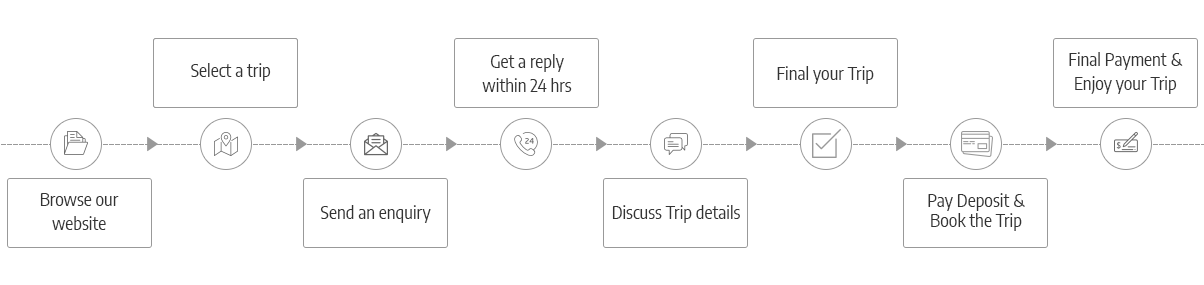
- Get Your Quote: Contact us with your preferred dates, group size, and any special requirements. Receive a personalized Three Pass trek cost estimate within 24 hours—completely detailed, completely transparent.
- Secure Your Booking: Pay your deposit to confirm trek dates. Your spots on Lukla flights and teahouse accommodation along the Everest High Passes trek are reserved immediately.
- Complete Trek Preparation: Receive your final cost breakdown, packing list for essential trekking gear, and pre-trek support. Our team provides valuable assistance on everything from sleeping bag requirements to travel insurance recommendations.
No complicated procedures. No payment surprises. Your trek begins with clarity.
Who This Trek Package Is For
Ideal for:
- Experienced trekkers ready for crossing Cho La Pass, Kongma La Pass, and Renjo La Pass at high altitudes above 5,000 meters
- Budget-conscious travelers who want to reach Everest Base Camp and explore Gokyo Valley without overpaying
- Adventure enthusiasts seeking the ultimate Everest high pass trek, combining snow-capped peaks, rich Sherpa culture, and scenic high passes
- Groups of friends, families, or trekking clubs looking for reduced per-person rates with gradual ascent planning
Are you Ready to Book Your Three Passes Trek?
Stop overpaying USD 2,200-3,500 for the same Everest three passes trek that Excellent Himalaya Trek and Expedition offers at USD 1,415-1,495.
Experience the complete three passes trek—Renjo La Pass, Cho La Pass, Kongma La Pass—plus Gokyo Lake, Everest Base Camp, and views of Mount Everest at the cheap and best price available in 2026/2027.
Contact Excellent Himalaya Trek and Expedition today:
- Receive a detailed trek cost breakdown within 24 hours
- Secure your preferred dates with a flexible deposit
- Begin your incredible adventure with complete price transparency
Secure booking process. No hidden fees. Best value guarantee for your high passes trek.
Itinerary
Our tour officer will be receiving you at Tribhuvan International airport, Kathmandu. He/She will be displaying play card with your name written in it outside the airport terminal. He will meet, greet and welcome you with auspicious garland and escort you to your respective hotel by our private tourist vehicle. At the hotel, he will assist you to check in and do a pre-trip meeting with you. You will be briefed about your overall program, introduced your guide and clear your questions/queries if any. During the meeting please clear the due balance and handover a readable copy of your travel insurance policy. Overnight at hotel.
Early morning you will be picked up at the hotel by our guide and escort you to domestic terminal of Kathmandu airport. Then you board the flight from Kathmandu to Lukla. During the 40 minutes, you enjoy stunning views of Himalayas. After landing at Tenzing-Hilary airport you meet your porter. He will carry your luggage. Then you start your trekking. Today you trek of three hours. It’s easy and gentle. The trail starts passing a Kani (ceremonial gatehouse). It descends steeply then runs level above Kyangma village, which has a large gompa (monastery) and school. After that, you enter Cheplung village. The trail descends through community forest with the sight of Dudh Koshi River. Crossing suspension bridge it’s a short climb around the ridge to Ghat. Leaving Ghat the trail passes a school and complex of mani walls, chortens and prayer wheels. Then the trail climbs to the hamlet of Chhuthawa. From Chhuthawa after a short walk, you reach to Phakding. Overnight at a mountain lodge.
After breakfast, you continue trekking along the banks of the Dudh Koshi River. Continuing up the Dudh Koshi valley you will reach a cluster of local Bhatti (porter rest houses) and a small hydroelectric project. The trail climbs up over the ridge and pines to the small village of Toktok. You will soon get your first view of Thamserku peak (6608m). The trail again climbs steeply around the ridge and reach Benkar. Here you find waterfalls. Leaving Benkar the trail crosses east bank of Dudh Koshi River over suspension bridge and heads to Chumoa. From Chumoa it’s another steep climb to the outskirts of Monjo village. Just above the Monjo, there is checkpoint for Sagarmatha National Park. Your trekking card is checked here. Afterward, the trail cuts across to the west bank of the Dudh Koshi River on another suspension bridge and runs to Jorsale. Above Jorsale you follow the river bank over gravel before climbing to the forest. You will see flowing together of Bhote Koshi and Dudh Koshi rivers. From here it continues ascent through dense pine forests and then eventually enters to Namche Bazaar. Overnight at a mountain lodge.
Today you stay at Namche Bazaar to avoid symptoms of Altitude Sickness (AMS). This doesn’t mean you have to stop walking. You hike up the Shyangboche. You cross grass airstrip at Shyangboche and walk towards the Everest View Hotel, the highest hotel in the world according to the Guinness Book of Records. From here you can have a good view of Mt. Everest and surrounding peaks. Then you continue walking to Khumjung, the largest Sherpa village in Everest region which sprawls below the peak of Khumbila (5761m). The houses here are large and ostentatious and many locals own tracts of land further north along the valley. You visit Khumjung Gompa. One of the treasures kept here is a Yeti Skull. From the flat area in front of the Gompa, there are views east to Amadablam, Thamserku, and Khumbila. After the visit of Khumjung village, you return directly to Namche Bazaar following the path behind the village school. Today you will have also option to visit Sagarmatha National Park Visitor center where you can see some well-preserved displays on Himalayan flora and fauna and the culture of Sherpa people. Overnight at a mountain lodge.
After breakfast, you follow the path by the giant mani in Chhorkung and trek north around the long ridge. At the end of the bluff is a viewpoint over a panorama of Thamserku, Ama Dablam, Lhotse, and Everest. Then trail reaches Kyangjuma. After short walk, it takes to trail junction at Sanasa. You follow the trail to Tengboche runs gently downhill towards the river traversing Lawichasa, Tashinga, and Phunki Thenga. Then it crosses the river on the bridge. From here the trail climbs past some water powered prayer wheels and begins a sustained climb through a forest of rhododendrons. On the way, there are many porter rest stops. Eventually, you will reach to Kani and a pair of chortens and arrive at Tengboche. The major attraction of this place is Tengboche Gompa. Inside the monastery are incredibly elaborate wall hangings, a 20-foot sculpture of Buddha, and the musical instruments and robes of the Lamas. Overnight at a mountain lodge.
Your day starts with following the trail through conifers and rhododendrons forest. The trail sooner reaches Debuche. Then the path continues through rhododendron forests to Milinggo. From here the trail descends steeply to the suspension bridge over Imja Khola. Crossing the bridge it climbs. You find the good photo shooting place of beautiful Stupa mirroring towering Ama Dablam. Afterward, you will soon arrive at Pangboche. Leaving Pangboche the trail climbs above the tree line and enters the arid landscape of alpine meadows. It follows the path of Imja Khola (stream) and passes Shomare and Orsho. After Orsho the trail splits. You will follow the lower path along the west bank of Imja Khola that leads to Dingboche. From Dingboche, you can have good views of Island Peak, Peak 38 and Lhotse. Overnight at a mountain lodge.
Today you trek to Chhukung at the head of Imja valley. Leaving Dingboche you follow the path through Imja Khola. As the trail climbs above the stream you see the ridge of Amphu Lapcha. It’s a steady climb over barren moraines to a series of stepping stones over the Nilyang Khola and a teashop at Bibre. From here beyond a terminal moraine wall, you see the Island Peak (Imja Tse), one of the most popular trekking peaks. After a short while walking a side trail turns off along the valley of Niyang Khola towards the Kongmala pass. About half an hour walking from Bibre you will reach Chhukung. There are glaciers and giant snowy mountains all around this place. Overnight at a mountain lodge.
Today you stay another night in Chhukung. Tomorrow as you setting off for the Kongma La pass it is highly recommended to stay an extra night here. For the acclimatization process after breakfast, our guide take you climbing to Chhukung Ri (5546m) or to the base camp of Island peak. It’s great hiking up Chhukung Ri. From its summit, you get spectacular mountain views of Ama Dablam, Baruntse, and Makalu. The ascent of Island Peak base camp is along the Lhotse glacier passing the puffy water of Imja Khola. From the base camp south face of Lhotse, Amphu Lapcha Pass and eastern face of Ama Dablam can be seen. Overnight at a mountain lodge.
Today you are going to cross Kongma La, the highest pass of the trip today. Since on the way, there are no Lodges, our guide brings a packed lunch from the lodge in Chukung. He suggests you carry a lot of water. Ahead there are two trails both going towards the same pass. You can climb the hill northwest of Nuptse Glacier or walk back down the valley to Bibre and follow a high trail above the Niyang Khola. The two trails meet on the hillside above Bibre after half an hour walk. From here the trail ascends along the east side of Niyang Khola..After passing a bluff it enters a wide basin dotted with small frozen lakes. Away from the largest lake the trail rises over loose scree and reaches Kongma La Pass. At the pass, you see prayer flags. Standing here look at icy lakes and frozen ridges. Besides you can also see Italian Pyramid beneath the rocky crag of Awi Peak (5245m). After that, you drop down the scree for two hours to the solid ground on the edge of the moraine. This descent is the most difficult stage of the trek. Then you across the glacier following the footprints and stone cairns and climb the moraine on the far side where a clear trail runs north to Lobuche. Overnight at a mountain lodge.
Today your trek begins following narrow gap between the glacial moraine and the mountain wall past the Italian Pyramid. The route of the path changes regularly as the edge of the moraine tumbles into the glacier. To find the trail look for cairns of stones left as markers and hoof prints and dung left by yak trains. After rounding the trail you will have your first views of Kalapathar (5545m). As you climb to take the time to detour to the edge of the moraine to look out over the Khumbu Glacier. Then the trail passes Changri Shar Glacier and reaches at Gorak Shep, flat sandy bowls at the foot of Kalapathar. You continue walking to Everest Base Camp following the path across the Khumbu Glacier. Everest Base Camp is at the bottom of the Khumbu Icefall at 5365m. Visiting Everest Base Camp you trek back to Gorakshep for night halt. Overnight at a mountain lodge.
Wake up early in the morning then hike up to Kalapathar through grassy ridge above the Gorak Shep. It takes one and half hour to two hours to reach the summit which is marked by prayer flags. As you climb it the peak of Pumori looms dramatically ahead. By climbing 200 m you will find yourself in front of world’s definitive mountain views- 360-degree panorama of Himalayan giants from Pumori and Lobuche to Nuptse, Lhotse, and Everest. From this elevation the true height of Everest becomes clear. The entire south face of Everest is visible. After taking photos this world class scenery you back down to Gorakshep. Then, you retrace your steps to Lobuche. From Lobuche you continue trek to Dzongla to follow Cho La Pass.Overnight at a mountain lodge.
Today is the tough day of your trekking. Leave Dzongla early in the morning. In the beginning, it is a gentle stroll between snowy peaks. Then the trail runs east passing ominous looking black rock beneath the Cholatse peak. After crossing several streams the trail rises passing to the right two claws shaped peaks. As you gain the ridge the broken face of the Cho La Glacier rises ahead. If there is not snow you can pick out the route across the icefall using the footprints of other trekkers. Eventually, about three hours of setting off you reach Cho La pass (5368m) marked by prayer flags at the edge of the glacier. From the pass, you can see peaks of Cholatse, Amadablam, the Ngozumpa glacier and Kyajo Ri. Then you follow the path down to Thangnak. Although it’s long, it can be easily made because it is just decent. Overnight at a mountain lodge.
From Thangnak the trail brings you to the edge of the Ngozumpa glacier, the longest glacier in the Himalayas. This part of the trail changes every season as the ice shifts and melts. Stone cairns and footprints mark the way. After reaching the other side of the glacier you see the second lake of Gokyo valley. From here it is a short distance to Gokyo village. This village is on the edge of Gokyo Lake where you stay for night halt. Overnight at a mountain lodge.
Early in the morning, you go for up hike up Gokyo Ri. You follow the path crosses the stream at the north end of the village then climbs for two hours to prayer flags at the top of the hill. From the summit, you have astonishing panoramic views of Cho Oyu, Everest, Lhotse, Makalu, Cholatse and Taboche with the Ngozumpa glacier, the longest glacier in the Himalayas. From here you see the Gokyo village is a tiny dot on the side of the moraine and the Gokyo lake is a giant green pond. After enjoy this great view you slowly down to your mountain lodge and take a rest. Overnight at a mountain lodge.
Today you need to start your trekking early in the morning (at dawn). You follow the path that climbs gently above the north shore of the Gokyo lake and then zigzags precariously up a finger of gray scree. It crosses the ridge to the right of the pyramid shaped peak. The final stage to the pass is almost vertical climb on a perilous looking path. About four hours leaving Gokyo you will reach the Renjo La pass. From here you will see Gokyo village glinting distantly on the shore of the lake beneath Ngozumpa glacier. He can also see the peaks of Everest, Lhotse, Cholatse, and Taboche. Crossing the pass the trail descends down a stone staircase to the Angladumba Tsho, the small serene lake. Afterward, it drops down to Lungden. From Lungden you continue additional 40 minutes walking to reach Marlung which is located on the east bank of the Bhote Koshi River. Overnight at a mountain lodge.
From Marlung the trail descends to Thame. This is a traditional route used for centuries by the Tibetan traders. Below Marlung the crosses the Bhote Kosi and descend to Taranga. Leaving this place the trail drops into the valley of Langmuche Khola. This stream drains down from Dig Tsho, the glacial lake that burst its banks in 1985 that caused devastating floods along the Dudh Kosi Valley to moraine to Thame. It’s a gentle stroll down the valley to Thame. This village is set among alpine meadows beneath the mountain wall of Kongde Ri. It’s worth to visit Thame Gompa which established some 325 years ago contains three big images of Chenresig (Avalokitesvara), Guru Rimpoche, Buddha Sakyamuni. Here also the colorful Mani Rimdu festival is celebrated in May. Then you climb down after crossing a bridge and arrive at Samde. After enjoying breathtaking views you follow the path that steeply descends to Thamo village The Khari Gompa, monastery, is located here. Ahead you pass through check post and arrive at world’s highest hydroelectric power station built on Austrian help. Then after you reach to Phurte, a small village which has Laudo monastery is run by Kopan Monastery of Kathmandu for Buddhist study and meditation center. After that, you pass through some Gompas, colorful prayer flags, mani stones and chortens to reach Namche Bazaar. Overnight at a mountain lodge.
From Namche Bazaar, you follow the steeply downward path. Once you cross the high suspension bridge the trail runs mostly level to Josale and then climbs to Monjo where your trekking card will be checked out. Then it’s an easy run through Benkar and Phakding to Lukla. After arriving at Lukla it ends your overall trek. Most trekkers make a celebration of finishing their trekking with their guide and crew members at Lukla. Overnight at a mountain lodge.
Early in the morning, you move to Tenzing-Hillary airport. Then catch once again that scenic mountain flight to Kathmandu. After you land in Kathmandu airport you will be transferred to your hotel. You have free time rest of the day. You can have a hot shower, spa for relaxing your body in Kathmandu. Overnight at hotel.
The trip concludes today. Our tour officer will drop you at Kathmandu International Airport for your flight departure from Nepal.
Travel Tips
All foreign nationals except Indian Nationals are required to arrange a visa in order to enter Nepal. A Nepalese Visa can be obtained either prior to your arrival at a Nepalese embassy abroad or on arrival time in Kathmandu at the airport. But nationals from Afghanistan, Iraq, Cameroon, Ghana, Somalia, Swaziland, Palestine, Zimbabwe, Nigeria, Ethiopia, and Liberia cannot secure the Nepalese Visa upon arrival. The Visa can be also taken at entry points at Nepalese border. For a Nepalese visa, you will need your passport with at least six months’ validity, a recent digital photo (size: 1.5″ x 1.5″), and the following fees either in USD or the equivalent local currency:
| Visa Facility | Duration | Fee |
| Multiple entry | 15 days | US$ 30 or equivalent Nepalese currency |
| Multiple entry | 30 days | US$ 50 or equivalent Nepalese currency |
| Multiple entry | 90 days | US$ 100 or equivalent Nepalese currency |
We would offer you the meeting and greeting service in Kathmandu International Airport on your arrival time. For this, you need to pass us your International flight details at least 2 days before your arrival date in Kathmandu. After you get down from the aircraft you just pass on the Customs and come out of the Terminal building where you will see our tour officer standing with your name card. He will greet and welcome you with auspicious garland and escort you to the hotel.
Trekking to Everest Three Passes does not require tremendous logistics in terms of accommodation as you will find plenty of clean and friendly lodges along the trail. Lodges typically offer a room with a wooden bed with a simple mattress or foam pad, a cotton pillow, and a blanket or quilt. They have electric lights and all have a spacious dining room-lounge. We will accommodate you and your group in local lodge available each day. We send a porter ahead of us to book the required rooms for you (here rooms cannot be booked in advance).
In the case of Kathmandu, we offer you tourist standard hotel under 3-star categories unless it is mentioned otherwise or clients have a special choice.
In the trail of Everest Three Passes Trekking it’s commonly available for Authentic Nepali meal: Dal Bhat (rice with lentils soup and seasonable vegetables), noodles, pasta, chapatis, eggs, French fries, porridge, and muesli. The restaurant of lodges also serves Tibetan foods like momo, thukpa, chowmein, along with pizza, spring rolls, pancake and another continental as well as Indian foods.
Tea and hot lemon are traditionally the main drinks on the trail though coffee is found everywhere. Bottled soft drinks, bottled water, and even beer are common along the route but the price of each bottle rises each day when you move upward.
The trekking team who will go with you is the most significant thing that makes your Everest Three Pass Trekking successful, enjoyable and memorable. We would provide you skilled, experienced, courteous, knowledgeable and helpful trekking guide and porters. The trekking guide leads you on the trail and brief you all the about this route and porters carry your luggage. Our all trekking guides are carefully selected in terms of their appropriate experience, leadership skills and their knowledge about local culture, ecosystem, geography, flora and fauna, and history. With aim of sustaining local communities, we only employ local people as trekking guide and porter. Our all trekking guides are certified by Nepal Government, Ministry of Tourism. We manage trekking team such a way that one trekking guide in each group and porters like one porter for two trekkers.
During the trek, your main luggage will be carried by porters or pack animals (usually yaks or cross-breeds). You simply carry a day pack with water bottle, camera, sunscreen, spare jacket, etc. – a small load that allows full enjoyment of the trek. A trek bag is ideal for your main luggage, plus a small lockable bag for travel clothes or anything that you do not need during trek which you can leave at hotel’s locker room in Kathmandu for free of charge.
Every morning, first of all, packing your bags and then have a hearty breakfast at the lodge restaurant. Then set off on the day’s walk. After walking for 3-4 hours you all stop for lunch in local restaurant. Then continue walking to your destination. After lunch, it’s the only couple of hours walking. You usually arrive at your destination in the time of afternoon tea. Check in at the lodge. The rest of the day is at leisure. At the free time, you may explore surrounding village, do a bit of washing or simply relax by reading books and writing a diary. On some days you will arrive at your destination by lunch time and entire afternoon will be free. Most people also spend free time by playing cards and other games reliving the day’s adventures. Then in the evening have a dinner and you will be briefed by your trekking guide about your next day’s walking and then go to your bed for well-earned sleep.
Everest Three Pass Trekking is strenuous trek suitable for passionate walkers who able to walk at least 7-9 hours a day with a light day pack. Walking in higher altitudes is more physically demanding than walking in lower altitudes; however, if you are in excellent health with average physical fitness and have a positive attitude, self-confidence, and strong determination, you can do this trek successfully. Exercising and jogging regularly for some weeks prior to the trip is a good idea to enhance your strength and stability. Past hiking experience would be an asset but no compulsorily required for this trip. It is vital for participants with pre-existing medical conditions such as heart, lung, and blood diseases to consult their doctor before taking the trip.
We believe casualty and a serious sickness will not happen on the trip. If it happens we will do everything to transfer you to the nearest hospital. Since all the expenses incurred in evacuation liable to you please make sure that it is covered by your insurance before assigning for it or be prepared to pay on your own after getting back to Kathmandu.
We strongly advise you to take travel insurance before joining a tour which should cover medical expenses, emergency repatriation and helicopter evacuation at high altitude places and loss of your luggage. We would request you to bring your insurance documents when you come to Nepal.
The itinerary for each trip should be taken as a guideline only. Depending on the situation, you can modify it to some extent after consulting with your guide. However, the date of trip ending should always coincide with the original itinerary.
Kindly keep in mind that sometimes unforeseen events may contribute to the need for a change in itinerary. In such cases, we or your guide will suggest the best alternative similar to your original.
In Everest region as you climb through the hills mixed deciduous forests and scattered rice terraces give way to pine forests, then rhododendrons, then scrub junipers, before finally, the only vegetation is low alpine shrubs and grasses. As you walk, scan the skies and the undergrowth for golden eagles and the spectacular Himalayan Monal (danphe or impeyan pheasant) with its regal, shimmering green, blue and purple plumage. In forested areas around Namche Bazaar, Thame, Phortse, and Tengboche keep your eyes peeled for Himalayan Thar and musk deer often spotted beside trails early in the morning. You may also hear the strange hoarse call of the muntjac or barking deer. Everest is also home to both leopards and snow leopards and allegedly the fearsome yeti.
Naturally, the Everest Region is so beautiful, but equally, it is fragile as well. Increasing population density and the number of trekkers threaten the very beauty of this area. We at Excellent Himalaya Trek and Expedition are extremely conscious about protecting our beautiful natural environment and preserving the fascinating local culture. We are doing our level best to minimize our impact. All our trekking guides and porters are well-trained and motivated to follow the guidelines of responsible tourism and eco-friendly tourism. In trekking, they also advise you on do’s and don’ts to minimize your impact on the local environment.
In addition to your Trekking trip, you can join in various side Trips in Nepal like a cultural tour of UNESCO World Heritage Sites, Jungle Safari in National Park, White Water Rafting in Himalayan Rivers, Golfing, Adventure activities like Bungee Jumping, Altra Light Flight, Paragliding, Jeep flyer etc. You also can extend your trip to neighboring Himalayan Countries: Bhutan, Tibet, Sikkim (India) which seems more appealing to you. On your request, we will give you the detail of the side trips.
Ask our experts (Inquiry)
Why Travel with us?
- Run by local experts, guide & Sherpa.
- Focus on your needs.
- Good value for money.
- Real cared services.
- Government recognized company.
- Best reasonable rate.