


Cost of Annapurna Base Camp Trek in 2026: Complete Pricing & Money-Saving Guide

Before to plan an annapurna base camp trek, it is advised to understand exactly what you will spend before you set foot on the trail. Personal expenses are a major factor influencing the total cost of the Annapurna Base Camp trek, and understanding these is crucial for all trekkers. With permit regulations, mandatory guide requirements, and variable costs from transport to teahouses, knowing your budget upfront prevents surprises and helps you get maximum value from your Himalayan adventure.
This article breaks down every cost component for the abc trek in 2026, from visa fees to porter tips, and shares practical strategies to save money without compromising your safety or experience. As a local Nepali operator with years of experience on the annapurna base camp trail, we at Excellent Himalaya Trek and Expedition provide transparent pricing insights based on current ground realities.
Brief Overview of Annapurna Base Camp Trek
The Annapurna Base Camp (ABC) Trek is one of Nepal’s most iconic trekking routes, offering an unforgettable journey through diverse landscapes, charming villages, and spectacular mountain vistas. The trek leads you into the heart of the Annapurna Sanctuary, surrounded by towering peaks including Annapurna I, Machhapuchhre (Fishtail), and Hiunchuli. It is a moderate to challenging trek suitable for trekkers with good physical fitness, typically lasting 7 to 12 days depending on the itinerary.
Major Highlights of the Annapurna Base Camp Trek
- Breathtaking panoramic views of Annapurna Massif and surrounding Himalayan peaks
- Cultural immersion in traditional Gurung and Magar villages such as Ghandruk and Chhomrong
- Diverse landscapes ranging from subtropical forests to alpine meadows
- Experience of the Annapurna Sanctuary, a natural amphitheater encircled by snow-capped giants
- Natural hot springs at Jhinu Danda to relax after long days of trekking
- Rich biodiversity with sightings of rhododendron blooms, exotic birds, and wildlife
- Teahouse accommodations offering local hospitality and authentic Nepali cuisine
- Opportunity to combine with Poon Hill or Mardi Himal treks for additional scenic viewpoints
- Adventure and challenge with gradual altitude gain culminating at 4,130 meters at the base camp
Quick Answer: How Much Does Annapurna Base Camp Trek Cost in 2026?
For most international trekkers in 2026 and 2027, a complete annapurna base camp trek cost ranges from approximately USD 600 to USD 1,200 per person, depending on trip length, comfort level, and booking approach. This range excludes international flights to Nepal but covers everything from permits and transport to lodging, meals, and guide services during a typical 7–12 day itinerary.
With Excellent Himalaya Trek and Expedition, a standard 11-day Kathmandu–Kathmandu ABC package typically costs USD 750–950 per person when traveling in a small private group. For trekkers starting and ending in Pokhara, a shorter 7–8 day route can be completed from around USD 450–650 per person.
Here’s how the abc trek cost breaks down by budget level:
- Budget (from ~USD 600): Basic teahouse rooms, simple meals, shared local transport, licensed guide included, minimal extras
- Mid-range (USD 800–1,100): Better lodging choices, experienced guide plus porter, comfortable tourist buses or shared jeeps, more flexible meal options
The biggest factors driving your total cost are international flight prices, number of trekking days, travel season (peak versus off season), comfort preferences such as private rooms or attached bathrooms, and transportation cost to and from the trek’s starting point. Transportation cost can vary significantly depending on whether you choose local buses, tourist buses, private vehicles, or flights, and should be considered when planning your overall budget.
The rest of this article examines every cost item in detail and provides specific money-saving tactics from our perspective as a licensed local trekking agency operating in the annapurna region.
Recent Updates and Trekking Rules in the Annapurna Region (Affecting Cost)
Recent regulatory and infrastructure developments up to 2026 have slightly adjusted the total budget for annapurna base camp treks. Understanding these changes helps you plan accurately.
Mandatory Licensed Guide Rule (Since April 2023)
All foreign trekkers on routes within the annapurna conservation area, including the ABC trail, must now hire a licensed guide. This regulation was introduced to improve safety following incidents involving solo trekkers facing natural hazards like landslides and altitude sickness. The requirement adds approximately USD 25–40 per day for guide wages (including meals, accommodation, and insurance), which increases minimum budgets by roughly USD 200–300 for a 7–10 day trek. However, this cost is non-negotiable and eliminates true independent trekking options for foreigners.
Road Developments and Transport Options
Road extensions now reach areas like Jhinu Danda, Siwai, and parts of Ghandruk, enabling cheaper local bus or shared jeep access (USD 10–20 one-way from Pokhara) compared to private car options (USD 40–120 per vehicle). Traditional footpaths still exist as alternatives to avoid dusty road sections. Choosing start points like Kande or Ghandruk instead of Nayapul can save USD 10–20 on transportation fee costs.
Stable Teahouse and Permit Pricing
Despite road proximity slightly commoditizing lower-altitude lodging, tea houses prices, permit fees, and daily trekking costs in 2026 remain similar to 2024–2025 levels, with only modest inflation of 5–10%. This stability benefits budget planners.
How Much Does Annapurna Base Camp Trek Usually Cost? (Overview)
The base camp trek cost is a sum of multiple components: international flights, Nepal visa, trekking permits, domestic transport, city accommodation, teahouse lodging, meals, guide and porter fees, gear, travel insurance, and personal extras like showers and Wi-Fi. Gear and equipment cost—whether renting or buying—can be a significant part of the overall budget, and local agencies often help arrange reliable gear rentals to save costs and ensure quality.
For 2026, typical total ranges for international trekkers on 7–12 day itineraries booked with a local agency in Nepal fall between USD 700–1,200 per person, excluding international flights.
| Booking Type | Typical Price Range (USD) | Nepal Inclusions | Flexibility |
| Local Nepali Operator | 650–1,200 | Permits, guide/porter, teahouse lodging, meals, transport | High |
| International Tour Company | 1,400–2,500+ | Similar to local, but often excludes some gear/insurance | Low |
| Direct Guide Hire Only | 430–700 | Guide only; arrange permits/lodging yourself | Medium |
| International operators often charge 30–50% more because they subcontract to local agencies and add administrative and marketing overhead. |
Excellent Himalaya Trek and Expedition specializes in mid-range, all-inclusive but affordable trekking package options. Our pricing already includes permits (annapurna conservation area permit and trekkers information management system card), licensed guide, standard teahouse lodging, and three meals per trek day. Later sections provide an example cost breakdown for a typical 11-day Kathmandu–Kathmandu ABC trek with us.
Main Cost Components of Annapurna Base Camp Trek
Understanding each cost component helps you decide where to save money and what not to compromise. Here’s a high-level breakdown:
Visa and Permits:
- Nepal tourist visa: USD 30–125 depending on duration
- ACAP: ~USD 25–27 for foreigners
- TIMS: ~USD 8–15 depending on category
Transport:
- International flights: USD 600–1,200+ round-trip to Tribhuvan International Airport
- Kathmandu–Pokhara: USD 15–180 depending on bus vs flight
- Trailhead transfers: USD 3–120 depending on shared bus vs private car
Accommodation:
- City hotels: USD 10–250 per night
- Teahouses on trek: USD 3–10 per night
Food and Drinks:
- Daily meals on trek: USD 15–25
- Drinks (tea, water, beer): USD 2–7 per item
Guide and Porter:
- Licensed guide: USD 25–35 per day
- Porter: USD 18–25 per day
Gear:
- Purchase: USD 250–450 for full kit in Nepal
- Rental: USD 1–3 per item per day
Insurance:
- Travel insurance with helicopter cover: USD 60–150
Personal Expenses:
- Wi-Fi, charging, showers, tips, souvenirs: USD 150–250 total
Agency packages typically bundle permits, teahouse lodging, meals, and guide and porter fees. Personal expenses like alcohol, extra snacks, and souvenirs remain your out-of-pocket costs.
Annapurna Base Camp Trek Cost with Local vs International Operators
When booking your annapurna sanctuary trek, you have two main options: local Nepali agencies like Excellent Himalaya or large international tour companies based outside Nepal.
Local Operators (USD 650–1,100 per person): Working directly with a licensed Nepali trekking agency typically costs USD 650–1,100 for a standard ABC itinerary. This usually excludes international flights but includes almost everything in Nepal: permits, guide, porter, teahouse accommodation, meals, and domestic transport.
International Operators (USD 1,200–2,500+ per person): International companies often charge significantly more for similar-length itineraries because they subcontract to local agencies and add administrative, marketing, and profit margins.
Our Recommendation: Booking directly with a licensed Nepali operator like Excellent Himalaya Trek and Expedition offers the best value-for-money. Benefits include:
- Native guides with deep local knowledge
- Flexible itinerary customization
- Better last-minute support on the ground
- Lower prices without middleman markups
- Direct accountability
Comparison Summary:
- Local Agency Package: USD 650–1,100, includes all Nepal costs, high flexibility, experienced local guides
- International Operator Package: USD 1,200–2,500+, similar inclusions but some gear/insurance excluded, low flexibility
- Private Custom Trip: USD 900–1,500, fully tailored itinerary, medium flexibility
Detailed Cost Breakdown from Arrival to Departure
This section walks through a typical 11-day Kathmandu–Kathmandu ABC itinerary chronologically, showing where your money goes.
Day 1: Arrival in Kathmandu
- Visa on arrival: USD 50 (30-day)
- Airport transfer: Often included in packages or USD 15–25
- Hotel in Thamel: USD 20–60 (mid-range)
Day 2: Travel to Pokhara
- Tourist bus: USD 15–30 (7–8 hours)
- OR domestic flight: USD 100–180 (25 minutes)
- Pokhara hotel: USD 20–50
Days 3–9: Trek (7 days)
- Trailhead transfer: USD 10–20 (shared jeep)
- Daily teahouse + meals: USD 25–35 per day
- Guide daily rate: USD 25–35
- Porter daily rate: USD 18–25
Day 10: Return to Pokhara/Kathmandu
- Return transport: USD 15–30 (bus) or USD 100–180 (flight)
Day 11: Departure
- Airport transfer and final expenses
Approximate Cost Summary for One Trekker:
| Cost Area | Approximate Amount (USD) |
| Permits (ACAP + TIMS) | 50–60 |
| City hotels (3–4 nights) | 60–200 |
| Domestic transport | 30–300 |
| Trek lodging + food (7 days) | 175–245 |
| Guide (7 days) | 175–245 |
| Porter (7 days) | 126–175 |
| Personal extras | 50–100 |
| With Excellent Himalaya’s mid-range 11-day package, most of these costs are bundled at USD 850–950 per person. You’ll pay separately for international flights, travel insurance, and personal spending. |
Nepal Arrival Visa and Trekking Permits Cost
All non-Indian foreigners need a tourist visa plus trekking permits to legally enter the annapurna conservation area and complete the ABC route.
Nepal Tourist Visa Fees (2026):
- 15 days: USD 30
- 30 days: USD 50 (recommended for most ABC trekkers)
- 90 days: USD 125
The 30-day visa provides buffer time for weather delays and sightseeing. Visas are available on arrival at Tribhuvan International Airport.
Trekking Permits:
| Permit | Foreign Nationals | SAARC Nationals |
| ACAP (Annapurna Conservation Area Permit) | NPR 3,000 (~USD 25–27) | Reduced rate |
| TIMS (Trekkers Information Management System) | NPR 1,000–2,000 (~USD 8–15) | Reduced rate |
| Permits are obtained at Nepal Tourism Board offices in Kathmandu or Pokhara, or through a registered agency. Excellent Himalaya handles all permit fees and paperwork within our packages. |
Money-Saving Tip: Avoid agents at the airport or tourist areas who charge premiums for “express permits.” Booking with a trusted agency ensures fixed, fair permit fees.
Transportation Costs: International Flights, Kathmandu–Pokhara & Trailhead Transfers
Transport is a significant but controllable cost area, and understanding the transportation cost is essential for planning your Annapurna Base Camp trek. Transportation cost includes various expenses associated with getting to and from the trek’s starting point, such as local buses, tourist buses, private vehicles, and flights, each catering to different budget and comfort preferences.
International Flights to Kathmandu (2026):
- From Southeast Asia: USD 600–800 round-trip
- From Europe: USD 800–1,200 round-trip
- From North America: USD 1,000–1,400 round-trip
Kathmandu to Pokhara Options:
| Transport Type | Cost (USD) | Duration | Notes |
| Tourist bus | 15–30 | 7–8 hours | Comfortable, AC |
| Local bus | 8–15 | 7–8 hours | Basic, crowded |
| Private car/jeep | 110–160 per vehicle | 6–7 hours | For 4–6 people; private car rentals from Kathmandu to Pokhara typically cost between $100 and $150 |
| Domestic flight | 100–180 one-way | 25 minutes | Weather-dependent |
| Trailhead Transfers from Pokhara: Starting points include Nayapul, Kande, Ghandruk, or Jhinu Danda. |
- Shared local bus: USD 3–6
- Shared jeep: USD 10–20
- Private taxi/jeep: USD 40–120
Money-Saving Tips:
- Choose bus over flight outside monsoon season (save USD 100+)
- Share jeeps with other trekkers
- Let your agency bundle transfers at group rates
Accommodation Costs in Kathmandu, Pokhara, and on the Trek
City hotels vary widely in standard, while teahouse accommodation cost on the trail is relatively predictable but increases slightly with altitude.
City Hotels (Kathmandu Thamel / Pokhara Lakeside):
| Category | Price per Night (USD) |
| Budget hostels/guesthouses | 10–20 |
| Comfortable 3-star | 30–60 |
| 4–5 star luxury lodges | 120–250+ |
Teahouse Costs on ABC Route:
| Location | Price per Bed (USD) |
| Lower villages (Ghandruk, Chhomrong) | 3–6 |
| Mid-altitude (Deurali) | 5–8 |
| High camps (Machhapuchhre Base Camp, ABC) | 6–10 |
| Many lodges offer free or discounted rooms if you eat meals there. Room standards include simple twin beds with shared bathrooms at higher altitudes; basic accommodation with private bathrooms is possible in lower villages for slightly more. |
Excellent Himalaya packages include all teahouse stays during the trek plus specified city hotel nights, eliminating the need to negotiate on the trail.
Food and Drink Costs on the Annapurna Base Camp Trek
Food and drink costs become one of the largest variable daily expenses, especially for trekkers not on full-board packages.
Typical 2026 Food Prices:
| Meal | Price Range (USD) |
| Breakfast (eggs, porridge, Tibetan bread) | 3–7 |
| Lunch/Dinner (Dal Bhat, pasta, noodles) | 6–10+ |
| Dal Bhat (rice and lentils) | 6–8 |
| Why Dal Bhat is Best Value: This traditional Nepali meal of rice, lentils, vegetables, and pickles often includes unlimited refills. It’s nutritious, energy-dense, and the cheapest way to fuel long trekking days. Basic food like this provides excellent sustenance without premium prices rise at altitude. |
Drink Costs:
| Item | Price (USD) |
| Boiled/filtered water (per liter) | 0.5–2 |
| Tea costs / Coffee | 2–4 |
| Soft drinks | 3–4 |
| Beer | 5–7 |
Money-Saving Tips:
- Carry water purification tablets or a filter to avoid buying bottled water
- Purchase energy snacks (nuts, bars, chocolate) in Kathmandu or Pokhara
- Limit alcohol—it’s expensive and worsens acclimatization at high altitude trekking zones
Guide and Porter Costs (Mandatory Guide Rule Explained)
Since 2023, a licensed guide is mandatory for the ABC trek. Hiring a porter is optional but highly recommended for comfort and safety on uneven trails.
2026 Daily Rates:
| Staff | Daily Rate (USD) | Includes |
| Licensed guide | 25–35 | Salary, meals, accommodation, insurance |
| Porter | 18–25 | Carrying 18–22 kg, shared between 1–2 trekkers |
| When booking via Excellent Himalaya, guide and porter fees, insurance, accommodation, and meals are bundled into your package price rather than paid daily in cash. |
Value Beyond Cost: Your guide provides route-finding expertise, safety monitoring, first-aid kit access, cultural interpretation, room arrangements during peak seasons, and emergency coordination. In cases of sudden illness or natural hazards, having trained support can be lifesaving.
Cost-Sharing Approach: Small groups of 2–6 trekkers can share one senior guide plus one porter per two people, significantly reducing per-person cost compared with solo travel. The porter cost becomes very manageable when split.
Trekking Gear Costs: Rent vs Buy
Good trekking equipment is essential for comfort and safety, but the overall gear and equipment cost doesn’t have to be extremely expensive, especially when renting in Kathmandu or Pokhara. Renting gear can offer significant cost savings compared to buying, particularly for items you may not use regularly. Additionally, agencies like Excellent Himalaya provide reliable gear, ensuring you have quality equipment for the trek.
Essential Items:
- Sturdy trekking boots (break in before trip)
- Layered clothing (base layer, fleece, down jacket, waterproof shell)
- 30–40L daypack
- Sleeping bags rated at least -10°C for shoulder seasons
- Trekking poles
- Headlamp with extra batteries
- Water purification system
- First aid kit
Purchase Prices (Nepal, 2026): A basic full equipment cost in Nepal ranges from USD 250–450 depending on brands (genuine vs local copies). Overseas branded gear costs more but offers better durability.
Rental Prices: Many shops in Thamel (Kathmandu) and Lakeside (Pokhara) rent common items:
- Sleeping bags: USD 1–2 per day
- Down jackets: USD 1–2 per day
- Trekking poles: USD 0.50–1 per day
Where to Save: You are advised to buy quality trekking boots at home where fit is critical. Rent bulky/expensive items like sleeping bags and down jackets if you don’t plan regular high-altitude trips. Excellent Himalaya can help clients arrange quality rental trekking gear in Kathmandu.
Travel Insurance, Health, and Safety-Related Costs
Travel insurance covering trekking up to at least 4,130 meters and helicopter evacuation is strongly recommended and usually compulsory for booking with reputable agencies.
2026 Insurance Costs: Approximately USD 60–150 for 2–4 weeks of coverage, depending on country of residence and policy level. Ensure your policy explicitly covers:
- High altitude trekking to 4,500m+
- Emergency helicopter evacuation
- Medical expenses
- Trip cancellation
Why Insurance is Non-Negotiable: An emergency helicopter evacuation in Nepal can cost USD 5,000–7,000+ without insurance. This additional cost risk makes insurance essential, not optional.
Medical Expenses: Budget USD 20–50 for personal medicines, blister care, altitude sickness prevention medication (if prescribed), and basic first-aid supplies purchased before the trek.
Excellent Himalaya’s team can advise what coverage to look for, though we don’t sell insurance directly. Carry printed policy details and emergency numbers during your trek.
Personal Expenses, Hidden Costs, and Tipping
Common “hidden” or easily overlooked costs include Wi-Fi, device charging, hot showers, laundry, snacks, and optional donations. Personal expenses are a major factor to consider when budgeting for the Annapurna Base Camp trek, as they can significantly influence your total cost.
Typical Charges:
| Service | Cost (USD) |
| Wi-Fi | 2–4 per day |
| Charging phones/cameras | 2–5 per charge |
| Hot showers | 2–5 each |
| Laundry | 5–10 per load |
Tipping Guidelines: Tipping is customary and appreciated. Suggested ranges per group:
- Guide: USD 10–15 per trekking day
- Porter: USD 6–10 per trekking day
Pool tips and present them at trek’s end. Adjust based on satisfaction and group size.
Budget for Personal Expenses: Plan USD 150–250 per person for all personal expenses over a 10–12 day trip, depending on how much cash you spend on hot showers, soft drinks, and Wi-Fi.
Souvenirs: Set aside USD 20–100 for handicrafts, prayer flags, T-shirts, and trekking maps in Kathmandu or Pokhara.
Cost Scenarios for Different Annapurna Base Camp Itineraries
Here are realistic example budgets for 2026 to help you estimate your total cost:
Scenario 1: Short 6-Day Pokhara–Pokhara ABC (Budget)
- Excellent Himalaya package: USD 450–550
- Personal spending: USD 80–120
- International flights: USD 600–1,000
- Estimated cost total: USD 1,130–1,670
Scenario 2: Standard 11-Day Kathmandu–Kathmandu with Poon Hill (Mid-Range)
- Excellent Himalaya package: USD 850–950
- Personal spending: USD 150–200
- International flights: USD 700–1,100
- Travel insurance: USD 80–120
- Estimated total: USD 1,780–2,370
Scenario 3: 9-Day ABC with Helicopter Return (Comfort)
- Excellent Himalaya package: USD 1,100–1,400
- Personal spending: USD 200–300
- International flights: USD 800–1,200
- Travel insurance: USD 100–150
- Person cost total: USD 2,200–3,050
Shoestring vs Comfort Approaches:
| Aspect | Shoestring | Comfort |
| Transport | Local buses | Domestic flights, private jeeps |
| Lodging | Basic shared rooms | Private rooms where available |
| Meals | Dal Bhat, minimal extras | Varied menu, snacks |
| Estimated extra | Save USD 100–200 | Add USD 300–500 |
| These are example calculations. Actual quotes depend on travel dates, group size, and customization. Contact Excellent Himalaya Trek and Expedition with your dates and group size for a precise, no-obligation estimate. |
Cost Differences by Nationality (Foreigners, Indians, and Nepali Trekkers)
Nationality affects visa cost and permit fees, creating different overall budgets for identical itineraries.
International (Non-SAARC) Trekkers:
- Nepal visa required: USD 30–125
- Full permit fees: ~USD 35–45
- Typical package range: USD 700–1,200+ (excluding flights)
Indian Citizens:
- No Nepal visa fee
- SAARC permit rates (approximately half)
- Typical package range: INR 45,000–85,000
Nepali Citizens:
- No tourist visa
- Minimal permit fees (NPR rates)
- Total cost for 7–10 days: NPR 20,000–60,000 using local transport and modest tea houses
Excellent Himalaya customizes quotations and payment currency based on nationality and residence for clear, straightforward pricing.
Best Time to Trek to Annapurna Base Camp and Seasonal Cost Variations
Prime Seasons (Best Weather, Highest Prices):
- Spring: March–May (rhododendron blooms, clear views)
- Autumn: Late September–November (stable weather, popular)
During peak seasons, teahouse demand and domestic flight prices increase, leading to costs roughly 10–20% higher than off-peak.
Off Season Options:
| Season | Conditions | Cost Impact |
| Winter (Dec–Feb) | Cold, possible snow at higher camps | Gear needs increase; some discounts |
| Monsoon season (Jun–Aug) | Rain, leeches, landslide risk | 5–15% discounts but added risks |
Price Differences:
- Package rates sometimes 5–15% lower off-season
- City hotels and domestic flights may offer promotions
- Extra gear (warmer sleeping bags, crampons for winter) partially offset savings
Excellent Himalaya recommends spring and autumn for first-time trekkers on this challenging trek. Budget-conscious but experienced hikers might consider shoulder months (early March, late November) for balanced cost and conditions—your dream trek remains achievable without peak season premiums.
Money-Saving Tips for Annapurna Base Camp Trek without Compromising Safety
Here are concrete ways to lower your annapurna trekking cost while staying safe:
- Trek in a small group to share guide and porter fees and transport costs (save 20–40%)
- Book with a local agency like Excellent Himalaya instead of international middlemen
- Choose tourist buses over domestic flights for Kathmandu–Pokhara (save USD 100+)
- Rent expensive gear like sleeping bags and down jackets instead of buying
- Eat Dal Bhat for lunch and dinner—nutritious, filling, and cheapest option
- Bring water purification tablets instead of buying bottled water repeatedly
- Avoid excessive alcohol and canned drinks—expensive and harmful at altitude
- Purchase snacks in Kathmandu before the trek
- Travel in shoulder seasons instead of peak holiday weeks
- Reach Pokhara by bus and save flights for if you’re short on time
Never Economize On:
- Travel insurance (emergency evacuations are catastrophically expensive)
- Licensed guide (mandatory and essential for safety in remote areas)
- Proper trekking boots (blisters ruin treks)
Excellent Himalaya offers group tours discounts and occasional early-booking promotions. Share your tentative dates and group size with us for tailored cost-saving suggestions within your budget.
Why Book Your Annapurna Base Camp Trek with Excellent Himalaya Trek and Expedition?
Excellent Himalaya Trek and Expedition is a government-licensed local trekking company based in Nepal with extensive experience on all nepal trekking routes, including the annapurna circuit trek, annapurna trek, and everest base camp trek.
Why Choose Us:
- Competitive local pricing without overseas mark-ups
- Experienced, insured, English-speaking guides with deep knowledge of mount annapurna and annapurna south areas
- Flexible itineraries including ABC only, ABC + Poon Hill, ABC + Mardi Himal
- Transparent cost breakdowns with no hidden fees
- Responsive support before and during your trek
- Fair wages for staff and sustainable tourism practices
Our standard 2026 ABC packages prioritize safety and quality teahouses while remaining affordable. We’re not a “cut-rate” operator—we simply eliminate unnecessary middleman costs.
Contact us via email, WhatsApp, or inquiry form for a personalized quote based on group size, dates, and preferred comfort level. We also arrange add-ons like Kathmandu cultural tours, extra Pokhara days (including relaxation at natural hot springs in Jhinu Danda), and helicopter upgrades with clear additional pricing.
FAQs: Annapurna Base Camp Trek Cost
What is the minimum realistic budget for ABC trek in 2026? With the mandatory guide rule, the minimum realistic budget is around USD 600–700 per person for a basic 7-day itinerary, excluding international flights. This assumes budget teahouses, simple meals, and shared transport.
What does your standard ABC package cost include and exclude? Our packages include ACAP and TIMS permits, licensed guide, porter (in most packages), teahouse accommodation, three meals per day on trek, and ground transport. Excluded: international flights, travel insurance, Nepal visa, personal expenses (hot showers, Wi-Fi, alcohol), tips, and city meals outside specified inclusions.
How much cash should I carry on the trail? Carry USD 200–300 equivalent in Nepali rupees for personal expenses over a 10–12 day trek. ATMs are only available in Kathmandu and Pokhara—not on the trekking route.
Are there any hidden charges I should know about? With reputable operators like Excellent Himalaya, there are no hidden charges. We provide written quotations specifying all inclusions. Unexpected costs only arise from personal choices (extra drinks, souvenirs) or emergencies.
How do costs differ between solo and group bookings? Solo trekkers typically pay USD 900–1,300 for a similar itinerary that costs USD 500–800 per person in groups of 4–6. Sharing guide/porter and transport significantly reduces individual cost ranges.
Is ABC cheaper than Everest Base Camp Trek? Yes, significantly. The everest base camp trek typically costs USD 1,000–2,000+ due to longer duration, higher altitude permits, and more expensive teahouses. The annapurna base camp cost is notably lower for comparable adventure value.
How much more expensive is peak season compared to off-season? Peak seasons (March–May, September–November) see prices rise approximately 10–20% higher for accommodation, domestic flights, and some services due to high demand.
Is a guide compulsory and is their cost included in the package? Yes, a licensed guide is mandatory for all foreign trekkers since April 2023. Our packages include guide cost—you don’t pay separately.
Is travel insurance included in the trek price? No. Travel insurance is the trekker’s responsibility. We require proof of coverage before departure and can recommend appropriate policies.
Do I need to pay extra if the itinerary changes due to bad weather? Weather-related changes (rerouting, extra nights) are handled flexibly. If additional nights are needed, extra accommodation/meal costs apply, but Excellent Himalaya doesn’t charge rebooking fees for weather adjustments.
Can I customize the itinerary? Absolutely. We offer variations like adding Poon Hill, extending to Mardi Himal, or arranging helicopter returns from camp trek to Pokhara. Contact us for custom pricing.
If you thinking your annapurna base camp trek doesn’t have to mean uncertainty about costs. With clear information and the right local partner, this dream trek is more affordable and accessible than you might expect.
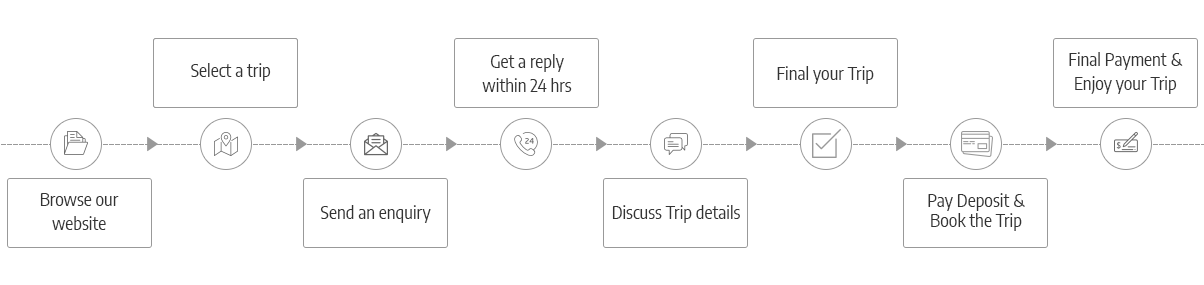
Ready to get started? Email Excellent Himalaya Trek and Expedition with your preferred dates, group size, and any questions. We will respond within 24 hours with a detailed, transparent quotation—no obligation, no surprises. Your Himalayan adventure awaits.
Ask our experts (Inquiry)
Why Travel with us?
- Run by local experts, guide & Sherpa.
- Focus on your needs.
- Good value for money.
- Real cared services.
- Government recognized company.
- Best reasonable rate.