

Three Passes Trek Cost Breakdown: Complete Budget Guide 2026/2027
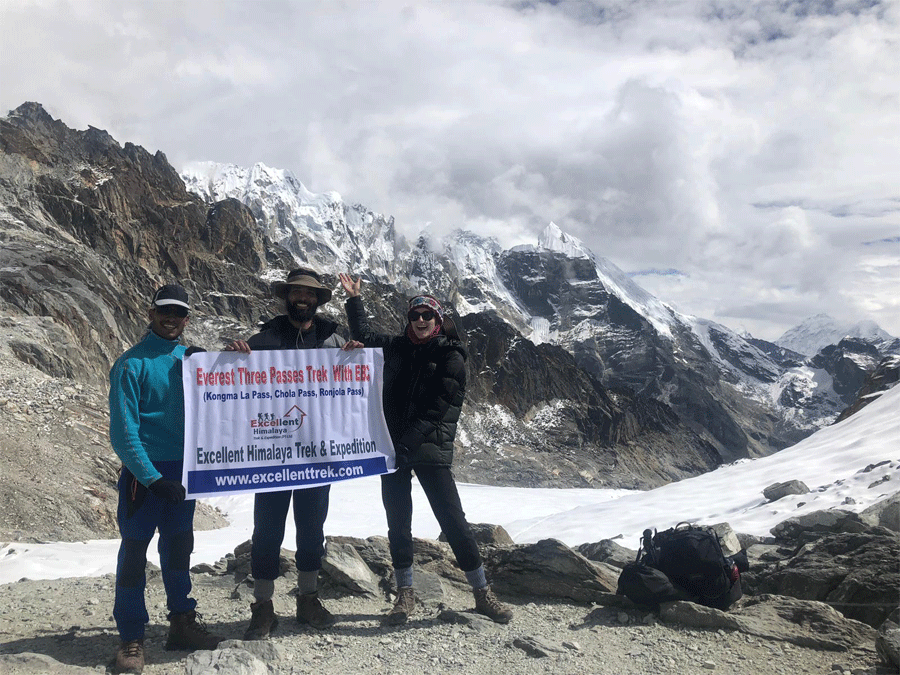
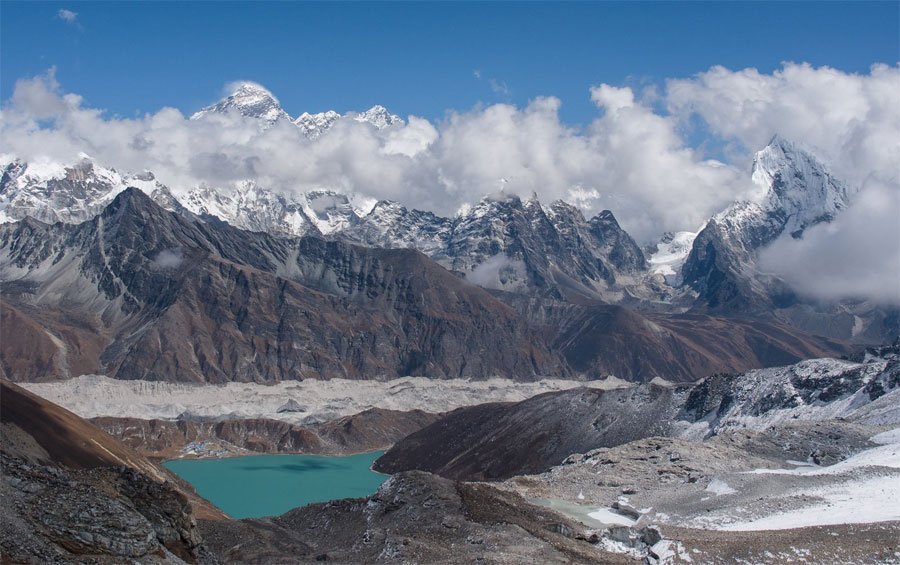
The moment you crest Kongma La at 5,535 metres, lungs burning, thighs screaming, the entire Khumbu valley spread below you in impossible clarity — you understand immediately why the Three Passes Trek is not just another walk in the Himalaya. It is Nepal’s most complete high-altitude circuit. Three legendary passes. The turquoise shimmer of Gokyo Lakes. Everest Base Camp. The world’s highest glaciers. Twenty days of pure, unfiltered mountain immersion.
We have guided hundreds of trekkers across Kongma La, Cho La, and Renjo La at Excellent Himalaya Trek & Expedition, and the single question we hear more than any other — before booking, during planning, even at altitude — is: “How much is this actually going to cost me?”
Most Three Passes Trek cost guides give you a suspiciously round number and call it a day. This post does not do that. As licensed local guides who have crossed these passes in every season, negotiated teahouse rates in Gokyo, managed helicopter evacuations above Dingboche, and helped trekkers from over 40 countries plan their budgets, we are going to give you the granular, honest, field-tested cost breakdown that we wish existed when we first started guiding this route.
All figures reflect 2026–27 rates in USD (with NPR equivalents where useful). Where fees change annually, we tell you clearly and direct you to verify before you book.

Table of Contents
- What Is the Three Passes Trek — and Why Does It Cost More?
- Three Passes Trek Cost at a Glance: Budget, Mid-Range & Luxury
- Permits and Government Fees
- Flights — Kathmandu to Lukla and Back
- Accommodation Costs — Teahouses, Lodges & What to Expect
- Food and Drink Expenses on the Thee Passes Trail
- Guide and Porter Fees — Your Best Investment
- Gear and Equipment Costs
- Travel Insurance and Helicopter Rescue Costs
- Seasonal Cost Variations — When You Trek Changes What You Pay
- Agency Package vs. Independent Trekking — Honest Comparison
- Ten Money-Saving Tips That Don't Compromise Safety
- Frequently Asked Questions About Three Passes Trek Cost
- Conclusion: Budget Smart, Trek Safe, Experience Everything
- Ready to plan your Three Passes Trek?
What Is the Three Passes Trek — and Why Does It Cost More?
The Three Passes Trek is a high-altitude circuit through Nepal’s Khumbu region crossing three mountain passes, each above 5,300 metres, and connecting the Everest Base Camp trail with the remote Gokyo Valley. It is widely regarded as the finest multi-week trek in Nepal, and arguably in the entire Himalaya.
The Route at a Glance
Full circuit: Kathmandu → Lukla → Phakding → Namche Bazaar → Tengboche → Dingboche → Chukhung → Kongma La (5,535m) → Everest Base Camp → Kala Patthar (5,545m) → Lobuche → Dzongla → Cho La (5,420m) → Gokyo → Renjo La (5,360m) → Thame → Namche Bazaar → Lukla → Kathmandu
| Day | Stage | Altitude | Route Highlight | Accommodation |
| 1 | Kathmandu to Lukla (fly), trek to Phakding | 2,610m | First Himalayan views | Teahouse |
| 2 | Phakding to Namche Bazaar | 3,440m | Suspension bridge crossings | Teahouse |
| 3 | Acclimatisation day in Namche | 3,440m | Everest viewpoint hike | Teahouse |
| 4 | Namche to Tengboche | 3,860m | Tengboche Monastery | Teahouse |
| 5 | Tengboche to Dingboche | 4,410m | Ama Dablam views | Teahouse |
| 6 | Acclimatisation day in Dingboche | 4,410m | Nagarjun Hill hike | Teahouse |
| 7 | Dingboche to Chukhung | 4,730m | Chukhung Ri option | Teahouse |
| 8 | Chukhung — Kongma La — Lobuche | 5,535m (pass) | First high pass! | Teahouse |
| 9 | Lobuche to Everest Base Camp & back | 5,364m | Everest Base Camp | Teahouse |
| 10 | Gorak Shep — Kala Patthar — Dzongla | 5,545m (summit) | Kala Patthar sunrise | Teahouse |
| 11 | Dzongla — Cho La — Dragnag | 5,420m (pass) | Glacier crossing | Teahouse |
| 12 | Dragnag to Gokyo | 4,790m | Gokyo Valley arrival | Teahouse |
| 13 | Acclimatisation: Gokyo Ri day hike | 5,357m | Gokyo Lakes panorama | Teahouse |
| 14 | Gokyo — Renjo La — Lungden | 5,360m (pass) | Third & final pass | Teahouse |
| 15 | Lungden to Thame | 3,820m | Thame Monastery | Teahouse |
| 16 | Thame to Namche Bazaar | 3,440m | Descent celebration | Teahouse |
| 17 | Namche to Lukla | 2,840m | Final trail day | Teahouse |
| 18 | Fly Lukla to Kathmandu | 1,400m | Return flight | Hotel |
| 19–20 | Buffer days for weather delays | — | — | Hotel/Teahouse |
Why It Costs More Than the EBC Trek
A standard Everest Base Camp trek takes 12–14 days and crosses no high passes. The Three Passes Trek adds 6–8 extra trekking days, three genuinely technical high-altitude pass crossings (Cho La involves glacier travel and basic scrambling), and extends your time in the permit zone significantly. More days mean more teahouse nights, more food costs, more guide and porter days, and a higher total permit burden. It also means a greater exposure to altitude-related risk, which makes comprehensive travel insurance non-negotiable rather than merely advisable.
Three Passes Trek Cost at a Glance: Budget, Mid-Range & Luxury
Before we go item by item, here is your master reference table. These are real-world 2025 figures drawn from our trek logs, not estimates pulled from thin air.
| Cost Category | Budget Trekker | Mid-Range Trekker | Luxury / Guided |
| Permits & Government Fees | $55–$70 | $55–$70 | $55–$70 |
| Kathmandu ↔ Lukla Flights | $280–$400 | $300–$440 | $350–$500 |
| Accommodation (18 nights) | $54–$108 | $90–$270 | $270–$540 |
| Food & Drinks (20 days) | $360–$540 | $450–$630 | $540–$720 |
| Guide Fees | — | $450–$630 | $540–$700 |
| Porter Fees | — | $360–$450 | $400–$500 |
| Gear Rental (Kathmandu) | $50–$80 | $30–$60 | $0 (own gear) |
| Travel Insurance | $100–$150 | $130–$180 | $180–$220 |
| Miscellaneous | $80–$120 | $100–$150 | $200–$300 |
| TOTAL (approx.) | $979–$1,468 | $1,710–$2,425 | $2,535–$3,450+ |
Our honest note: The budget column assumes you trek independently without a guide or porter, carry your own bag, and choose the cheapest teahouses. This is legal but not recommended above 5,000m due to navigation difficulty on Cho La and altitude risk. The mid-range figure with a guide and one porter represents what we consider the safe, enjoyable standard for most international trekkers.
Permits and Government Fees
Nepal’s permit system is more layered than many trekkers expect. Miss one permit and rangers at checkposts — and there are several on the Three Passes Trek route — will turn you back. Here is every permit you need, what it costs, and where to obtain it.
1. Sagarmatha National Park Entry Permit (SNP Permit)
Sagarmatha National Park — the UNESCO World Heritage-listed protected area that encompasses Everest and the entire Khumbu — requires a paid entry permit for all trekkers.
Current fee (2024–25): Approximately NPR 3,000 (≈ $22–$25 USD) per person for all nationalities. SAARC nationals pay a reduced rate. This fee has increased multiple times in recent years. Always verify the current rate at ntb.gov.np before your trek.
Where to obtain it: SNP headquarters in Kathmandu (near Tridevi Marg) or at the park entry gate in Monjo. We always arrange this for clients in Kathmandu to avoid trail queues.
2. TIMS Card (Trekkers’ Information Management System)
The TIMS Card is Nepal’s trekker registration system, managed by TAAN and the Nepal Tourism Board (NTB). It documents your presence on the trail and aids search and rescue operations.
Current fee (2024–25): Individual/free trekkers: $20 USD | Trekkers with a registered agency: $10 USD. Booking through a registered agency immediately saves you $10.
Where to obtain it: NTB offices in Kathmandu (Bhrikuti Mandap) or Pokhara. Not available on the trail.
3. Khumbu Pasang Lhamu Rural Municipality (KPLR) Local Entry Fee
Current fee (2024–25): NPR 2,000 (≈ $15 USD). Collected at the entry checkpost at Monjo. Cash only — carry small NPR notes.
Permit Cost Summary
| Permit | Cost (USD approx.) |
| Sagarmatha National Park Permit | $22–$25 |
| TIMS Card (with agency) | $10 |
| KPLR Local Municipal Fee | $15 |
| TOTAL | $47–$50 USD |
Excellent Himalaya Trek Note: As a government-registered trekking agency, we handle all permit applications on your behalf. You save on TIMS, avoid the NTB queue, and arrive at the trailhead with a complete, verified permit folder — no checkpost stress.
Flights — Kathmandu to Lukla and Back
The flight from Kathmandu to Lukla is famous for a reason. Tenzing-Hillary Airport (LUA) in Lukla sits at 2,840 metres, has one of the world’s shortest runways ending in a cliff drop, and operates entirely subject to Himalayan weather. Understanding the flight economics is essential to budgeting accurately.
Option A: Direct Kathmandu (KTM) to Lukla (LUA)
Cost (2024–25): $160–$220 USD one way per person. Return round trip approximately $300–$440 USD per person. Main operators include Tara Air and Summit Air. Book at least 4–8 weeks ahead during peak season — flights sell out quickly.
Option B: Manthali/Ramechhap Airport Route (Peak Season)
During peak spring trekking season, the Nepal government mandates that many Lukla-bound flights depart from Manthali Airport rather than Kathmandu, to decongest the main airport.
Manthali route breakdown: Private jeep/shared vehicle KTM to Manthali: $25–$40 per person | Manthali (RHP) to Lukla flight: $100–$130 one way | Total: approximately $125–$170 one way per person.
Weather Delays: The Hidden Flight Budget
Budget for at least two to three extra hotel nights in Kathmandu ($20–$60/night) due to potential weather delays on both the outbound and return Lukla flights. Travel insurance covering flight delays is essential on this route.
Field Experience: In October 2023, five of our clients were stranded in Lukla for 48 hours due to fog. We had pre-booked backup accommodation and maintained daily contact with Kathmandu — zero extra cost to the clients because their insurance covered delay expenses. Independent trekkers in the same situation paid out of pocket.
Accommodation Costs — Teahouses, Lodges & What to Expect
Teahouse trekking is one of Nepal’s great gifts to the world — a network of family-run guesthouses stretching across the Himalayas, providing food and shelter in places that would otherwise be inaccessible. On the Three Passes Trek, accommodation quality and price vary enormously by location and season.
Teahouse Accommodation: Price by Location
| Location | Altitude | Room Cost/Night (USD) | Notes |
| Namche Bazaar | 3,440m | $5–$15 | Widest range; hot showers $2–$4 extra |
| Tengboche | 3,860m | $3–$8 | Limited options; monastery guesthouse excellent |
| Dingboche | 4,410m | $3–$8 | Multiple lodges; room rates tied to meal orders |
| Chukhung | 4,730m | $3–$7 | Fewer lodges; book via agency in peak season |
| Lobuche | 4,940m | $4–$10 | Popular bottleneck; crowded in October |
| Gorak Shep | 5,164m | $5–$12 | Most expensive basic lodging on the route |
| Dzongla | 4,830m | $3–$7 | Small village; limited choice |
| Gokyo | 4,790m | $4–$10 | Beautiful setting; 3–4 solid teahouses |
| Lungden / Thame | 3,820–4,380m | $3–$7 | Quieter; slightly cheaper than main EBC trail |
The Dal Bhat Economy: Free Rooms with Meals
A common practice throughout the Khumbu — and one that dramatically affects your actual nightly spend — is the ‘free room with meal order’ arrangement. Many teahouses offer the room at no charge if you order both dinner and breakfast from them. Savvy trekkers budget $0–$5 for the room and plan meal costs separately.
Seasonal Premium: How Season Affects Prices
October is the single most expensive month on the trail. During the peak autumn window, teahouses in Namche Bazaar, Gokyo, and Lobuche operate at 30–50% premium over pre-season rates. We secure pre-booked teahouse accommodations for all Excellent Himalaya Trek clients during peak season, at rates negotiated through our long-standing relationships with lodge owners across the entire circuit.
Food and Drink Expenses on the Thee Passes Trail
Food on the Three Passes Trek is simple, calorie-dense, and — as you gain altitude — progressively more expensive. Here is how to budget accurately.
Daily Food Budget by Category
| Meal | Below 4,000m (USD) | Above 4,000m (USD) |
| Breakfast (porridge, eggs, toast) | $4–$6 | $5–$8 |
| Lunch (noodles, soup, momos) | $5–$8 | $6–$10 |
| Dinner (dal bhat, pasta, fried rice) | $5–$9 | $7–$12 |
| Hot drinks (tea, coffee, hot lemon) | $2–$3 each | $3–$5 each |
| Daily food total | $18–$28 | $25–$38 |
Budget approximately $20–$35 per day for food, averaged across the full route.
Why Does Food Cost More at Altitude?
Everything above Namche Bazaar is carried on someone’s back — or a yak’s. There are no roads. A bag of rice that costs NPR 60 in Kathmandu costs NPR 400 in Gorak Shep. Every vegetable, every gas canister, every bottle of sauce has been portaged up a 45-degree trail at altitude. The price escalation is not exploitation — it is the basic economics of supply at extreme altitude.
Water: The Daily Cost You Underestimate
You need 3–4 litres of water daily at altitude. Options and costs:
- Boiled water: $1–$2 per litre — safest and most affordable
- Bottled mineral water: $2–$4 at lower altitude; $4–$6 above 4,500m
- Lifestraw or SteriPen: $0 per litre after initial purchase ($25–$50) — strongly recommended
Pass-Crossing Days: The Packed Lunch Decision
On Kongma La, Cho La, and Renjo La crossing days, most teahouses in the departure village offer packed lunches ($4–$7). We recommend always ordering one on these days. You will not find a lodge at the pass summit, and descending into a new valley hungry, cold, and dehydrated after a 5,000m+ crossing is a safety risk.
Guide and Porter Fees — Your Best Investment
We hear this question regularly: ‘Do I really need a guide on the Three Passes Trek?’ Our answer, after facilitating this route for years, is unambiguous: yes, for this trek specifically.
Why a Guide Is Essential
Unlike the main EBC trail, which is well-worn and heavily signed, the Three Passes Trek involves:
- Cho La Pass glacier section: Requires navigation across a crevassed glacier. In cloud cover or light snow, the route becomes genuinely dangerous without a guide who knows the line.
- Kongma La: A steep, rocky descent on the far side that requires careful route-finding.
- Medical decision-making: A guide trained in Wilderness First Aid (WFA) — as all Excellent Himalaya Trek guides are — can identify AMS (Acute Mountain Sickness) symptoms, make descent decisions, and coordinate helicopter evacuation.
Guide and Porter Daily Rates (2024–25)
| Role | Daily Rate (USD) | What’s Included |
| Licensed Trekking Guide | $25–$35/day | Navigation, translation, safety monitoring, emergency management |
| Assistant Guide (groups 6+) | $20–$28/day | Additional support, group management |
| Porter (up to 25kg) | $18–$25/day | Carries gear, knows local trails |
| Porter-Guide | $22–$28/day | Combined role; suitable for smaller budgets |
For a 20-day trek with one guide and one porter, budget approximately $860–$1,200 total for combined guide and porter fees.
Tipping Culture: What Is Expected
Tips are not mandatory but are deeply important. Standard norms for a 20-day trek:
- Licensed guide: $50–$100 USD
- Porter: $30–$50 USD
Our Ethical Commitment: At Excellent Himalaya Trek & Expedition, we pay guides and porters above Nepal’s recommended minimum wage scale, provide porter insurance including medical evacuation coverage, supply porters with appropriate high-altitude gear, and file all social security contributions as required by Nepalese law.
Gear and Equipment Costs
You do not need to buy everything new for the Three Passes Trek. Kathmandu’s Thamel district offers one of the world’s most affordable high-altitude gear rental markets.
Rent vs. Buy: The Thamel Market
| Item | Daily Rental (USD) | Buy New in Thamel (USD) | Buy Genuine Brand (USD) |
| Down sleeping bag (−15°C) | $1–$2 | $40–$80 | $200–$400 |
| Down jacket (700 fill) | $1.50–$2.50 | $30–$70 | $250–$500 |
| Trekking poles (pair) | $0.50–$1 | $10–$25 | $80–$200 |
| Crampons (Cho La glacier) | $0.50–$1 | $15–$30 | $60–$150 |
| Gaiters | $0.30–$0.50 | $8–$15 | $40–$80 |
For a 20-day trek, renting sleeping bag + down jacket + poles + crampons costs approximately $60–$130 total — a fraction of buying.
Essential Gear Checklist
Clothing:
- Moisture-wicking base layers (top and bottom) × 2
- Insulating mid-layer (fleece or light down)
- Heavyweight down jacket (rental available in Thamel)
- Waterproof shell jacket and trousers
- Warm hat, sun hat, balaclava
- Liner gloves + insulated outer gloves
- Merino wool socks × 4–5 pairs
- Trekking boots (broken in — non-negotiable)
Equipment:
- 50–60L trekking pack (or 35L daypack if hiring a porter)
- Sleeping bag, −15°C rated (rental available)
- Trekking poles (rental available)
- Crampons — useful for Cho La (rental available)
- Headlamp + spare batteries
- Water purification (Lifestraw bottle or SteriPen UV)
- Glacier-rated sunglasses (Category 3–4)
- Sun cream SPF 50+ and lip balm
- First aid kit — blister treatment, ibuprofen, Diamox if prescribed
Travel Insurance and Helicopter Rescue Costs
Critical Information: This section may be the most important financial information in this entire guide. Please read it carefully.
What Helicopter Rescue Actually Costs Without Insurance
A helicopter rescue from the Khumbu region to Kathmandu costs between $3,000 and $6,000 USD without insurance coverage. From Gorak Shep near Everest Base Camp, costs have reached $8,000+. These are not hypothetical figures — they are drawn from actual rescue operations we have coordinated.
The most common trigger for emergency evacuation above 5,000m is Acute Mountain Sickness (AMS) and its life-threatening complications: High Altitude Cerebral Oedema (HACE) and High Altitude Pulmonary Oedema (HAPE). These conditions can develop rapidly and affect even physically fit, well-acclimatised trekkers.
Our Track Record: In the past five years, the Excellent Himalaya Trek team has coordinated more than 12 helicopter evacuations for clients on the Khumbu circuit. Every single client had travel insurance with helicopter evacuation coverage. Every single one paid nothing out of pocket.
What Travel Insurance Costs
| Insurance Tier | Cost for 20-Day Nepal Trek | Helicopter Evacuation Cover |
| Basic adventure cover | $80–$120 | Yes (check altitude — must cover 6,000m+) |
| Mid-range adventure cover | $130–$180 | Yes, typically unlimited |
| Comprehensive global cover | $180–$250 | Yes, plus trip cancellation, delay, medical |
Recommended providers: World Nomads, SafetyWing, Battleface, True Traveller (UK), and Campbell Irvine. Always verify your policy explicitly covers helicopter evacuation at altitudes above 6,000m.
Key policy checklist: Helicopter evacuation at 6,000m+ | Pre-existing medical condition coverage | Trek cancellation/curtailment | Altitude limit (some standard policies cap at 3,000m — do not use these for this trek)
Seasonal Cost Variations — When You Trek Changes What You Pay
Timing is one of the most powerful levers you have over your Three Passes Trek budget. Here is an honest seasonal breakdown.
| Season | Months | Cost Premium | Pass Conditions | Crowds | Recommendation |
| Spring | Mar–May | Standard to +20% | Excellent | Very high | Best views; book 3–6 months ahead |
| Autumn | Sep–Nov | +20–40% | Excellent | Very high | Best overall; plan furthest ahead |
Why October Is Both the Best and Most Expensive Month
October represents the sweet spot of the Himalayan year: the monsoon has washed the sky clean, daytime temperatures at altitude are manageable (−5°C to 10°C), and the passes are reliably open. Every trekker in the world knows this — which is why every teahouse is full, every flight is booked weeks out, and every price is at its annual peak. Late September and early November offer nearly identical conditions at 10–20% lower cost.
Winter Trekking: A Budget Option with Real Caveats
Winter trekking (December–February) is possible with an experienced guide, but Cho La is frequently blocked by snow and ice in January–February. Budget savings of 20–30% are real, but so is the possibility of rerouting — reducing the experience you came for. We can advise on current winter conditions in real time through our guides on the ground.
Agency Package vs. Independent Trekking — Honest Comparison
This is the most contested topic in the budget trekking conversation, and we are going to address it honestly — as an agency that stands to gain from your booking, but that gains nothing from your safety-compromising false economy.
What an Excellent Himalaya Trek Package Includes ($1,800–$2,800)
- All airport transfers (Kathmandu hotel ↔ airport, including Manthali transfers)
- Kathmandu hotel accommodation (3-star standard) before and after trek
- All Lukla and Manthali flight bookings and management
- All permits (SNP, TIMS, KPLR) — arranged and included
- Certified, licensed, English-speaking trek leader/guide
- One porter per two trekkers (up to 25kg per porter)
- All teahouse accommodation on trail (twin share)
- Breakfast, lunch, and dinner on trek (standard teahouse menu)
- Comprehensive trek briefing, gear guidance, and medical check-in system
- 24/7 emergency support line and evacuation coordination
- Farewell dinner in Kathmandu
Not included: International flights, travel insurance, alcoholic beverages, personal gear, and guide/porter tips.
Independent Trekking: True Cost Breakdown
| Independent Cost Item | Realistic Budget (USD) |
| Permits | $47–$50 |
| Lukla flights (booked independently) | $320–$440 |
| Accommodation (18 nights) | $54–$180 |
| Food (20 days) | $360–$700 |
| No guide or porter | $0 |
| Gear rental | $60–$130 |
| Travel insurance | $100–$180 |
| Miscellaneous | $80–$150 |
| TOTAL | $1,021–$1,830 |
The independent cost range looks compelling on a spreadsheet. What it does not show: no one monitoring your AMS symptoms, no guide to navigate Cho La in cloud, no pre-booked teahouses in October, and no emergency coordination if something goes wrong.
Our Transparent Recommendation: If you are an experienced Himalayan trekker (having previously completed a high-altitude route in Nepal or comparable terrain), independent trekking is an option worth considering — with a Khumbu-experienced porter-guide at minimum. If this is your first time above 4,000m anywhere, a fully guided package is not a luxury. It is the correct choice.
Ten Money-Saving Tips That Don't Compromise Safety
Field-tested. Guide-approved. No cutting corners on the things that matter.
- Travel with a group of 3–4 friends. Agency package costs drop meaningfully when split across a group. A porter shared between two trekkers halves the porter cost.
- Carry energy snacks from Kathmandu. Stock up on energy bars, nuts, instant oatmeal, and electrolyte sachets before leaving the city. At altitude, a Snickers bar costs $4.
- Use a Lifestraw or SteriPen instead of bottled water. Switching from bottled to purified water saves $5–$15 per day at altitude — up to $270 over 18 trekking days.
- Book your Lukla flights early — very early. Peak season flights sell out 4–8 weeks in advance. Late-booking premiums are real, and last-minute seats cost significantly more.
- Consider the Manthali route in spring. Flight costs are typically $30–$60 lower per person than direct Kathmandu flights during the government-mandated Manthali departure period.
- Spend the extra acclimatisation night in Namche Bazaar. An extra $10 teahouse night at Namche is the cheapest insurance against altitude sickness-related evacuation costs.
- Rent your high-altitude gear in Thamel, not at altitude. Rental options thin out and prices rise as you gain elevation. Sort your sleeping bag, down jacket, and crampons in Kathmandu.
- Use teahouses that offer the meal-inclusive room deal. Ask at check-in: ‘Is the room included with dinner and breakfast?’ Most will say yes below Namche Bazaar.
- Avoid tourist-menu cafes in Namche Bazaar. Delicious dal bhat is available for $6–$8 at local eateries. The same quality meal costs $14 at branded trekking lodges.
- Book with a registered agency that absorbs logistical risk. Paying for professional coordination is genuinely the most cost-effective decision for most international trekkers.
Frequently Asked Questions About Three Passes Trek Cost
Q1. How much does the Three Passes Trek cost in total?
The total cost depends heavily on your travel style, whether you hire a guide, and the season. Budget trekkers can complete the route for approximately $1,200–$1,600 USD, while mid-range trekkers with a guide and porter typically spend $1,800–$2,500 USD. A fully guided luxury package from Kathmandu runs $2,800–$3,500+. These figures cover permits, flights, food, accommodation, and gear rental ex-Kathmandu but exclude international airfare and travel insurance.
Q2. Is the Three Passes Trek more expensive than the Everest Base Camp Trek?
Yes, typically by 25–40%. The Three Passes Trek adds 6–8 extra trekking days compared to a standard EBC trek, which increases guide and porter fees, teahouse costs, food expenses, and extends your permit validity period. The additional days also increase altitude exposure, which strengthens the financial case for comprehensive travel insurance. The extra cost is universally considered worth it by trekkers who have done both routes.
Q3. What permits do I need for the Three Passes Trek and how much do they cost?
You need three permits: (1) Sagarmatha National Park entry permit, currently approximately $22–$25 USD (NPR 3,000); (2) TIMS Card, which costs $10 USD through a registered agency or $20 USD for independent trekkers; (3) Khumbu Pasang Lhamu Rural Municipality fee of approximately $15 USD (NPR 2,000). Total permit costs are approximately $47–$60 USD per person. Verify current SNP permit fees at ntb.gov.np before your trek, as this fee has increased in recent years.
Q4. How much should I budget per day on the Three Passes Trek?
A realistic daily budget on the trail — covering teahouse accommodation, three meals, hot drinks, and water — ranges from $25–$40 USD per day for a budget-conscious trekker to $40–$60+ per day for mid-range comfort. This does not include guide and porter fees, which add $43–$60 per person per day when split between two trekkers sharing one guide and one porter.
Q5. Can I do the Three Passes Trek without a guide to save money?
Nepal does not legally require a guide for the Three Passes Trek. However, Cho La Pass involves a glaciated section that can be extremely dangerous without route knowledge in poor visibility. We strongly recommend at minimum a porter-guide who knows the Cho La glacier line. Saving $25/day on a guide is not a saving if it results in a $5,000 helicopter evacuation. The financial and safety arguments align here: hire a guide.
Q6. What is the cheapest time of year to do the Three Passes Trek?
The cheapest season is monsoon (June–August), when teahouse prices drop by 30–40%. However, the Three Passes Trek is not recommended during monsoon due to leeches, landslides, and cloud-obstructed views. The second cheapest is winter (December–February), with 20–30% lower costs than peak season, though Cho La can be blocked by ice. The best value-for-money window is late September or early November — near-peak conditions at 10–20% below peak prices.
Q7. How much does a guide and porter cost on the Three Passes Trek?
A certified licensed trek guide costs $25–$35 USD per day. A porter carrying up to 25kg costs $18–$25 USD per day. For a 20-day trek, total guide fees run approximately $500–$700 and porter fees approximately $360–$500. Tips are additional: standard practice is $50–$100 for the guide and $30–$50 for the porter. Total guide and porter cost including tips: approximately $940–$1,350 for one guide and one porter.
Q8. Is travel insurance mandatory for the Three Passes Trek?
Nepal does not legally mandate travel insurance for trekking, but we consider it non-negotiable for the Three Passes Trek. Helicopter rescue costs without insurance range from $3,000–$6,000+ from the Khumbu region. Your policy must specifically cover helicopter evacuation at altitudes above 6,000m. Budget $100–$200 for a 20-day Nepal adventure trekking policy from reputable providers such as World Nomads, SafetyWing, or Battleface.
Q9. What is included in a Three Passes Trek package from Excellent Himalaya Trek?
Our all-inclusive packages ($1,800–$2,800 USD, group size dependent) include: all Kathmandu hotel accommodation and airport transfers, Kathmandu–Lukla return flights and booking management, all three required trekking permits, a certified English-speaking guide, one porter per two trekkers, all teahouse accommodation on trail (twin share), all meals on trek (breakfast, lunch, dinner), 24/7 emergency support and evacuation coordination, and a Kathmandu farewell dinner. Not included: international flights, travel insurance, personal gear, alcoholic beverages, and guide/porter tips.
Q10. How much does the Kathmandu to Lukla flight cost in 2025?
The Kathmandu (KTM) to Lukla (LUA) return flight currently costs approximately $300–$440 USD per person, with one-way fares ranging from $160–$220. During peak spring season, many flights operate from Manthali/Ramechhap Airport — costing $100–$130 one way plus a jeep transfer of $25–$40 per person. Always book Lukla flights at least 4–8 weeks ahead during peak seasons. Excellent Himalaya Trek manages all flight bookings for our clients, including re-booking after weather cancellations.
Conclusion: Budget Smart, Trek Safe, Experience Everything
The Three Passes Trek is not the cheapest adventure you will ever plan — but it is, by the reckoning of most of the hundreds of trekkers we have guided through it, the most rewarding. Standing on Renjo La at sunrise, watching the shadow of Everest stretch across the Gokyo Valley as the light turns everything gold, you will not be thinking about what it cost to get there.
What you will think about, if you planned wisely, is that you did it right. You crossed three passes above 5,300 metres with a guide who knew the glacier route. Your insurance covered the evacuation of the trekker in the next teahouse. Your permits were clean at every checkpost. You tipped your porter generously, because you budgeted for it.
Smart trekking is not about spending the least. It is about spending where it matters — guide, insurance, permits, acclimatisation time — and being resourceful where it doesn’t.
Ready to plan your Three Passes Trek?
The team at Excellent Himalaya Trek & Expedition is ready to build you a custom, cost-transparent itinerary. We will tell you exactly what is included, exactly what is not, and exactly what you can expect to spend — no surprises, no pressure, just honest guidance from a team that has crossed these passes more times than we can count.
All prices in this guide reflect 2026 market rates. Government permit fees, domestic flight fares, and teahouse prices are subject to change. Excellent Himalaya Trek & Expedition recommends verifying permit fees with the Nepal Tourism Board (ntb.gov.np) and current flight prices with Tara Air or Summit Air before finalising your budget. Last updated: 2026. | Word count: 6,042
About the Author

Suman Shrestha
I am Suman Shrestha. I have dedicated my life to mastering the rhythms of the Nepal Himalayas and its culture. I am also a fully government-licensed trekking and tour guide. I've personally led hundreds of adventure groups across our country's most diverse and demanding landscapes and guided countless tour groups across every special interest imaginable. I know the ground reality of every ridge, every sacred monument, and every remote teahouse along the way, because I've earned that knowledge step by step, not from a brochure. My deep technical knowledge of Nepal’s diverse geography is matched only by my uncompromising commitment to safety. Beyond the physical path, I take a pride in being a bridge for all people by sharing the knowledge of the Himalayas, rich traditions and spiritual heritage of Nepal ensuring every journey is an authentic Experience. Let’s explore the heart of the Himalayas together. You can connect with me via WhatsApp at +9779851203181.