

Upper Mustang Trek Package: Discover the Magic of the Hidden Kingdom
Ever felt like escaping to a place untouched by time? A place where ancient Tibetan culture still thrives, and dramatic desert landscapes tell tales of history? That’s exactly what the Upper Mustang trek package offers. Think of it as a journey into a secret kingdom — a lost world hidden in the northern corner of Nepal, just beyond the towering Annapurna range.
This trek isn’t just about hiking. It’s about adventure, history, peace, and soul-stirring landscapes. You don’t need to be an expert mountaineer or a philosopher to enjoy it — just someone with curiosity and a bit of stamina.
So, if you’re looking for something different — something deeply rewarding — this might just be the trek you’ve been waiting for.
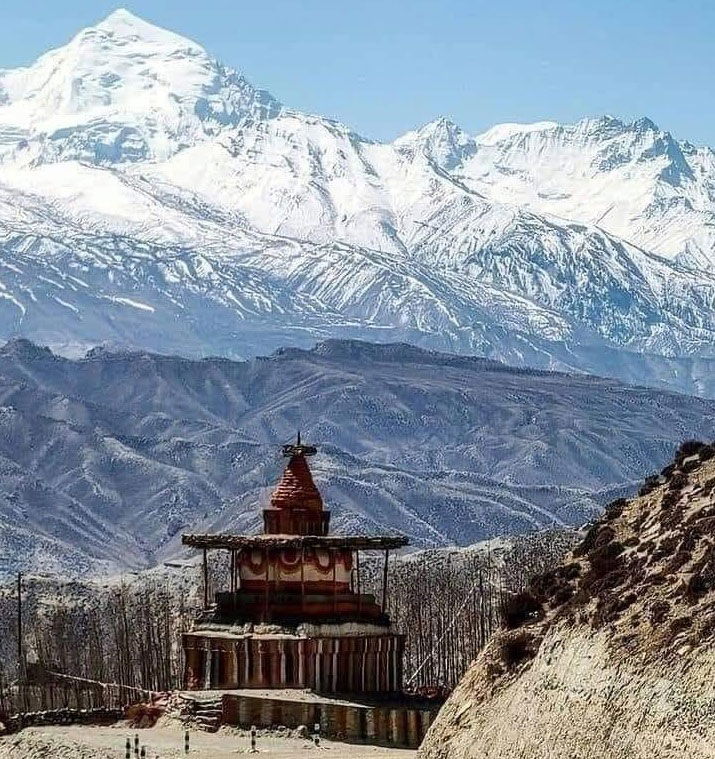
Table of Contents
- What is the Upper Mustang Trek Package?
- Why Choose the Upper Mustang Trek?
- Best Time to Go on the Upper Mustang Trek
- Upper Mustang Trek Difficulty Level
- Cultural Insights Along the Route
- Day-by-Day Itinerary Breakdown
- Permits Required for Upper Mustang
- Cost of the Upper Mustang Trek Package
- What’s Included in the Trek Package?
- What to Pack for the Upper Mustang Trek
- Accommodation and Meals on the Trek
- How to Reach the Starting Point
- Tips for a Successful Upper Mustang Trek
- Safety and Health Precautions
- Final Thoughts on the Journey
- Frequently Asked Questions (FAQs)
What is the Upper Mustang Trek Package?
The Upper Mustang trek package is a well-organized trekking experience that takes you into the restricted and once-forbidden region of Upper Mustang in Nepal. This area was closed to foreigners until 1992 and still requires special permits today. The package typically includes guides, porters, permits, accommodation, transportation, and meals.
Think of it like signing up for an all-inclusive time-traveling adventure where everything is planned — you just show up and soak in the magic.
Why Choose the Upper Mustang Trek?
There are hundreds of treks in Nepal, but Upper Mustang is different. Here’s why:
Cultural Richness: The area is deeply influenced by Tibetan Buddhism, with monasteries, chortens, and prayer flags dotting the landscape.
Unique Terrain: Unlike lush green valleys, Upper Mustang is more like a high-altitude desert — raw, windy, and incredibly beautiful.
Fewer Crowds: Unlike Everest or Annapurna, it’s less crowded, making for a peaceful trek.
Lo Manthang – The Walled City: This medieval capital is a highlight of the trek and feels like stepping into another century.
Best Time to Go on the Upper Mustang Trek
The best times to do this trek are:
Spring (March to May) – Clear skies, wildflowers, and moderate temperatures.
Autumn (September to November) – Crisp air, colorful landscapes, and festivals like Tiji.
Interestingly, Upper Mustang lies in the rain shadow, which means it’s also accessible during the monsoon months (June to August) — unlike many other Himalayan treks.
Upper Mustang Trek Difficulty Level
Is it tough? Well, it’s challenging — but manageable.
Altitude: The trek goes above 3,500 meters, so altitude sickness is a risk.
Walking Hours: Expect to walk 5-7 hours a day.
Terrain: Trails are dry, dusty, and sometimes windy, but not too steep.
If you’re reasonably fit and have done a bit of hiking before, you’ll be fine.
Cultural Insights Along the Route
As you trek through ancient villages like Kagbeni, Tsarang, and Lo Manthang, you’ll witness a culture preserved like a fossil in amber.
Monasteries over 600 years old
Mud-brick houses and Tibetan-style architecture
Local festivals with mask dances and rituals
It’s like walking through a living museum.
Day-by-Day Itinerary Breakdown
Here’s a typical 14-day Upper Mustang trek package itinerary:
Day 1: Arrival in Kathmandu
Day 2: Fly to Pokhara
Day 3: Fly to Jomsom, trek to Kagbeni
Day 4: Trek to Chele
Day 5: Trek to Syanbochen
Day 6: Trek to Ghami
Day 7: Trek to Tsarang
Day 8: Trek to Lo Manthang
Day 9: Explore Lo Manthang
Day 10: Trek back to Drakmar
Day 11: Trek to Ghiling
Day 12: Trek to Chhuksang
Day 13: Trek to Jomsom
Day 14: Fly back to Pokhara & Kathmandu
This itinerary is flexible and can be shortened or extended based on your preferences.
Permits Required for Upper Mustang
Since Upper Mustang is a restricted region, you’ll need following permits:
Restricted Area Permit (RAP) – $500 for the first 10 days, then $50/day after.
Annapurna Conservation Area Permit (ACAP) – ~$30
These are typically arranged by your operator of Upper Mustang Trek like Excellent Himalaya Trek and Expedition as part of the Upper Mustang trek package.
Cost of the Upper Mustang Trek Package
The Upper Mustang trek package cost typically ranges from $1,800 to $2,500, depending on:
Group size
Inclusions (flights, meals, gear)
Length of trek
Accommodation type
Though it’s pricier than other treks, the exclusivity and experience are worth every dollar. Please contact to [email protected] (Official email address of Excellent Himalaya Trek & Expedition) for the up to date current price.
What’s Included in the Trek Package?
Most Upper Mustang trek packages include:
All permits and documentation
Guide and porter services
Accommodation in lodges or teahouses
Meals (breakfast, lunch, dinner)
Domestic flights (Kathmandu-Pokhara-Jomsom)
Ground transportation
Sleeping bags and duffel bags on request
Always check what’s included before booking.
What to Pack for the Upper Mustang Trek
Here’s a quick packing list:
Trekking boots
Warm layers (fleece, down jacket)
Sun protection (hat, sunglasses, sunscreen)
Sleeping bag
First aid kit
Water purification tablets
Trekking poles
Camera and power bank
Remember, pack light but smart. The weather can change quickly, especially at high altitudes.
Accommodation and Meals on the Trek
You’ll be staying in teahouses or guesthouses — basic but cozy.
Rooms: Twin-sharing with simple bedding.
Toilets: Mostly shared and squat-style.
Meals: A mix of Nepali (dal bhat), Tibetan (noodles, momo), and Western (pasta, eggs) dishes.
Pro tip: Dal Bhat gives you “power for 24 hour.”
How to Reach the Starting Point
Here’s the travel route:
International flight to Kathmandu
Domestic flight to Pokhara
Scenic mountain flight to Jomsom
Trek starts from Jomsom to Kagbeni
Your package usually covers all these transfers.
Tips for a Successful Upper Mustang Trek
Acclimatize properly – Don’t rush the ascent.
Stay hydrated – Drink lots of water.
Pack layers – Weather can flip fast.
Go with a guide – Trails can be confusing.
Respect the culture – Dress modestly and ask before taking photos.
Safety and Health Precautions
Your safety matters. Here’s what to keep in mind:
Altitude sickness – Watch for headaches, nausea, or fatigue.
Insurance – Must cover high-altitude evacuation.
First Aid – Carry personal medicines and basic supplies.
Local guidance – Always listen to your guide.
Upper Mustang is remote, so medical facilities are limited.
Final Thoughts on the Journey
The Upper Mustang trek is more than a hike — it’s a journey through time, tradition, and raw beauty. It’s for those who crave depth, not just Instagrammable peaks. With the right Upper Mustang trek package, your adventure becomes seamless and safe, letting you focus on what really matters — the experience.
So, are you ready to walk the forgotten trails of the Last Forbidden Kingdom?
Frequently Asked Questions (FAQs)
1. Is a guide mandatory for the Upper Mustang trek package?
Yes, since Upper Mustang is a restricted area, trekking solo is not allowed. A registered guide is mandatory.
2. Can beginners do the Upper Mustang trek?
Absolutely! While it helps to have some hiking experience, the trek is moderate and suitable for beginners in good health.
3. How cold does it get in Upper Mustang?
Temperatures can drop below freezing at night, especially from October to March. Daytime remains pleasant during trekking seasons.
4. Are there ATMs on the trail?
No, there are no ATMs after Jomsom. Carry enough Nepali cash for personal expenses.
5. What makes Upper Mustang different from other treks in Nepal?
Its unique desert terrain, preserved Tibetan culture, and restricted access make it one of the most extraordinary trekking experiences in Nepal.
About the Author

Suman Shrestha
I am Suman Shrestha. I have dedicated my life to mastering the rhythms of the Nepal Himalayas and its culture. I am also a fully government-licensed trekking and tour guide. I've personally led hundreds of adventure groups across our country's most diverse and demanding landscapes and guided countless tour groups across every special interest imaginable. I know the ground reality of every ridge, every sacred monument, and every remote teahouse along the way, because I've earned that knowledge step by step, not from a brochure. My deep technical knowledge of Nepal’s diverse geography is matched only by my uncompromising commitment to safety. Beyond the physical path, I take a pride in being a bridge for all people by sharing the knowledge of the Himalayas, rich traditions and spiritual heritage of Nepal ensuring every journey is an authentic Experience. Let’s explore the heart of the Himalayas together. You can connect with me via WhatsApp at +9779851203181.