


Best Company for Annapurna Circuit Trek: Why Excellent Himalaya Leads the Way in 2026/2027

Updated [July 9th, 2026] · Written and reviewed by Suman Shrestha, licensed trekking guide (Nepal Government License No. 2212), founder of Excellent Himalaya Trek & Expedition (Reg. No. 175840/074/075) ·
Namaste, I am Suman Shrestha, founder and lead guide at Excellent Himalaya Trek and Expedition. I have spent more than two decades walking the trails of Nepal, including the full loop around the Annapurna Massif more times than I can count, and I can tell you from the bottom of my heart that the Annapurna Circuit trek is the single most transformative journey you can take in the Himalayas. This trek is not a small commitment. You will cross a pass above 5400 meters, sleep in villages that feel like a different century, and trust a stranger with your safety at altitude. So the company you choose matters as much as the boots on your feet.
I wrote this guide myself, in my own words, to give you everything I wish every trekker knew before booking. No recycled marketing lines. Just what I have learned from guiding hundreds of trekkers around Annapurna, and what my senior guides, Laxman Bhandari and Subindra Adhikari, have learned leading their own groups across the Thorong La year after year. And yes, I believe Excellent Himalaya deserves that title. But rather than simply tell you that, I want to show you exactly what sets a great trekking agency apart, give you the tools to evaluate any company, and share the real, unfiltered details of what this trek demands and delivers.
Whether you are a solo adventurer, a couple seeking a life milestone, or a group of friends chasing snow-capped peaks, this is the most comprehensive resource you will find on the Annapurna Circuit, the companies that run it, and how to make the smartest booking decision of your trekking life.
Annapurna Circuit Trek Overview: What Makes This Route Legendary
The Annapurna Circuit trek overview begins with a simple fact that never gets old: this trekking route encircles the entire annapurna massif, passing through landscapes so varied that you feel like you have walked through five countries in a single trip. The trek features diverse ecosystems from subtropical forests to arid deserts, weaving through river valleys thick with rhododendron forests and emerging into open alpine terrain where the only sound is wind against rock.
The Annapurna Circuit covers roughly 160 to 230 kilometers, depending on the route variants and side trips you choose. The Annapurna Circuit Trek takes approximately 14 days to complete in its classic form, though many trekkers extend to 17 or even 21 days to include destinations like Tilicho Lake or poon hill.
The highest point on the Annapurna Circuit is Thorong La Pass at 5,416 m, making this one of the most celebrated high mountain passes in the world. Standing on that pass, you are surrounded by giants: Annapurna I at 8,091 meters (the world’s tenth highest peak), Annapurna II, Annapurna III, Annapurna South, and the distant spires of Tent Peak. The surrounding peaks seem close enough to touch, and the prayer flags at the summit snap with an energy that is impossible to describe in words.
Your journey begins in the Marsyangdi Valley, where the Marsyangdi River cuts through lush valleys dotted with suspension bridges, terraced rice paddies, and hillside villages where Gurung families welcome you with tea. As the trail climbs gradually, the landscape shifts from dense forests of bamboo and banana trees into pine forests and eventually pine and fir forests draped in moss. Higher still, you enter the Manang Valley, a place of Tibetan-influenced culture, ancient Buddhist monasteries, and the kind of silence that resets your soul.
The Annapurna Circuit route is not just a physical challenge. It is a cultural corridor of Nepal, connecting communities that have traded, prayed, and farmed along these paths for centuries. The trail passes through traditional villages where life moves at a different pace, through the Kali Gandaki Valley (one of the deepest gorges on Earth), past natural hot springs in Tatopani, and alongside the sacred pilgrimage site Muktinath, where both Hindu and Buddhist worshippers gather beneath 108 water spouts and an eternal flame that burns on water, earth, and rock.
Trekkers experience both Hindu and Buddhist spiritual sites throughout the route, and encounter over a dozen ethnic communities, including Gurung, Magar, Thakali, and Tibetan-descended peoples. Villages reflect distinct ethnic identities and customs, and the trek showcases rich traditions and warm hospitality at every teahouse stop.
This is why I call it more than a trek. It is a passage through the living heart o f Nepal.
Why Choosing the Right Operator Matters More Than the Itinerary for Annapurna Circuit Trek?
Many trekkers spend hours comparing itineraries, fixating on whether a trek is 14 or 18 days, or if it includes Tilicho Lake or Poon Hill. While these details matter, the reality is that the choice of trekking operator impacts your experience far more than the itinerary alone. A well-designed itinerary can be undermined by poor logistics, inexperienced guides, or a lack of responsiveness on the trail.
The right operator ensures your safety through expert acclimatization planning, adapts the schedule based on weather and group health, and provides local insights that bring the route to life. They handle permits, transportation, and lodging with professionalism, so you never have to worry about the details. When you face unexpected challenges—be it sudden weather changes or altitude illness—their experience and preparedness make all the difference.
At Excellent Himalaya, we believe the operator’s quality is the foundation of your trek’s success. Our founder-led team blends academic knowledge with decades of field experience to create not just a route, but a seamless journey where every step is supported by care, expertise, and respect for the mountains and communities.
The Complete Criteria Checklist for Choosing an Annapurna Circuit Trek Company
Choosing the best company for the Annapurna Circuit Trek requires more than just price comparison. Here is a checklist of essential criteria every responsible trekker should use:
- Government Licensing and Accreditation: Verify the company holds a valid Nepal Tourism Board license and is a member of TAAN. This ensures legal compliance and accountability.
- Experienced, Licensed Guides: Guides should hold official trekking licenses and Wilderness First Aid certifications, with proven high altitude experience.
- Transparent Pricing: Look for clear, itemized cost breakdowns that include permits, accommodation, meals, guide and porter fees, and extras like hot showers or Wi-Fi.
- Safety Protocols: The company must prioritize acclimatization, carry pulse oximeters, have evacuation plans, and monitor trekkers’ health daily.
- Ethical Porter Treatment: Porters should carry limited weights, receive fair wages, proper gear, insurance, and respectful treatment.
- Local Expertise: Operators with deep knowledge of the Annapurna region can offer authentic cultural experiences and up-to-date trail information.
- Small Group Sizes: Smaller groups allow personalized pacing, better acclimatization, and more meaningful interactions.
- Positive, Recent Reviews: Check independent platforms for feedback on safety, guide quality, and overall experience.
- Flexible Itineraries: The ability to customize schedules to your fitness and interests is a sign of a professional operator.
- Environmental Responsibility: Companies committed to sustainable tourism practices help preserve the fragile Annapurna ecosystem.
Excellent Himalaya meets all these criteria and more, providing you with confidence that your trek is in the best possible hands.
Why Local Nepalese Companies Excel for Annapurna Circuit Treks
Choosing a local Nepalese trekking company like Excellent Himalaya offers distinct advantages that international operators cannot match. Local companies bring intimate knowledge of the Annapurna region’s geography, culture, and seasonal trail conditions, enabling them to craft itineraries that balance challenge, safety, and cultural immersion.
Local guides and staff come from the communities you visit, creating genuine connections and opportunities for cultural exchange. This fosters authentic experiences that go beyond sightseeing, allowing you to engage respectfully with ethnic groups such as the Gurung, Magar, and Thakali. Moreover, local operators invest directly in these communities by hiring local porters and using village-owned lodges, ensuring your trekking dollars support sustainable development.
In terms of safety and logistics, local companies have established networks with rescue services, local authorities, and teahouse owners, facilitating swift responses to emergencies and smooth day-to-day operations. Excellent Himalaya’s team, led by founder Suman Shrestha, embodies this local expertise and commitment, making us the best company for the Annapurna Circuit Trek in Nepal.
Why Excellent Himalaya Is the Best Company for the Annapurna Circuit Trek
I want to be straightforward with you. There are many trekking agencies in Nepal, and several of them do good work. But when I built Excellent Himalaya Trek and Expedition, I built it on principles that I believe most trekkers struggle to find in a single company: deep local expertise, rigorous safety, transparent pricing, ethical practices, and a genuine love for these mountains and the people who live among them.
Let me walk you through what makes us different.
Government Licensing and Full Accreditation
Before you book with any agency, verify that the agency is registered with the Nepal Tourism Board and affiliated with TAAN (Trekking Agencies’ Association of Nepal). This is non-negotiable.
Excellent Himalaya Trek and Expedition holds Tourism License No. 2432, Registration No. 175840/074/075, issued by Nepal’s Ministry of Culture, Tourism and Civil Aviation. We are active members of TAAN, NTB (Nepal Tourism Board), and NMA (Nepal Mountaineering Association). These are not just logos on our website. They represent legal accountability, annual inspections, compliance with Nepal’s Travel and Trekking Agency Rules, and a commitment to operating within the highest regulatory framework.
Many agencies operate informally or with expired licenses. Always ask for a license number and verify it. We share ours openly because we have nothing to hide.
Founder Led Expertise
I hold a Master’s degree in Tourism Management, and I have personally completed every major trekking and expedition route in Nepal. This is not a company run by someone in an office who has never seen Thorong La at dawn. I have crossed that pass more times than I can count, and I still feel the same reverence every single time.
My academic background gives me a data-driven approach to itinerary design, risk management, and acclimatization scheduling. My field experience means I understand what you will actually feel, need, and worry about at every stage of the Annapurna Circuit journey.
Safety Protocols That Save Lives
Safety protocols are critical when choosing a trekking agency for the Annapurna Circuit. Our guides are trained in Wilderness First Aid, carry pulse oximeters on every trek, and follow a strict “hike high, sleep low” acclimatization protocol. We have defined emergency evacuation procedures, direct communication lines between our field teams and our Kathmandu base, and relationships with helicopter rescue services.
Licensed guides are essential for safe trekking in the annapurna region, and every Excellent Himalaya guide holds government certification, high altitude experience, and the temperament to make tough calls when weather or health conditions demand it. We do not send untrained staff into the mountains. Period.
Transparent Pricing with No Hidden Fees
Check for transparent pricing and an itemized breakdown of costs before booking with any company. Our annapurna circuit trek package options (Silver, Gold, and custom tiers) come with clear breakdowns of what is included and what is not. Permits, food, accommodation, transport, guide and porter fees, everything is spelled out before you pay a single rupee.
We have seen competitors advertise low headline prices and then charge extra for hot showers, Wi Fi, device charging, porter insurance, and even acclimatization day meals. We do not operate that way. When we quote a price, you know exactly what you are getting.
Ethical Treatment of Porters and Staff
Trekkers should prioritize agencies that limit porter loads to ensure ethical treatment. At Excellent Himalaya, we enforce strict weight limits for our porters, provide them with proper gear and medical insurance, pay fair wages, and never treat them as an afterthought. Our porters are part of the team, and their well-being directly affects the quality of your experience.
Small Group Philosophy
Smaller group sizes usually provide more personalized service and better acclimatization. We cap our group sizes to ensure that every trekker receives individual attention, flexible pacing, and the kind of care that large tour operators simply cannot provide. If someone in your group needs an extra rest day, we adjust. If you want to linger at a monastery or take a side trail, we make it happen.
Recognition and Reviews
Seek agencies that have good reviews discussing specific experiences and safety protocols. Excellent Himalaya has earned the TripAdvisor Travelers’ Choice Award for both 2025 and 2026, placing us in the top 10% of hospitality and travel providers globally. Our reviews consistently highlight our guides’ warmth, our safety rigor, and the depth of cultural knowledge we bring to every trek.
Excellent Himalaya Compared to Other Annapurna Circuit Operators
| What Matters | Excellent Himalaya | Typical Budget Agency | Large International Operator |
| Guide background | Local, native, government-licensed | Often licensed but generalist | Often subcontracted local guide |
| Pulse oximeter monitoring | Standard above 3500m | Rarely provided | Usually provided |
| Porter welfare | Weight limits, insurance, gear | Inconsistent | Generally good |
| Pricing transparency | All in pricing, no hidden fees | Hidden extra charges common | Higher markup, transparent |
| Group size flexibility | Solo to large groups | Group minimums common | Flexible, higher price |
| Local ownership | 100 percent Nepali-owned and run | Often locally owned | Often foreign-owned or franchised |
| Direct guide access | Speak with your actual guide first | Rare | Rare |

A Story From the Trail: Laxman Bhandari’s April 2026 Annapurna Circuit
I want to share a story from one of our most experienced guides, Laxman Bhandari, who led a group of eight trekkers on the Annapurna Circuit in April 2026.
The group included two solo travelers from Germany, a couple from Canada, and a family of four from South Korea. Their fitness levels varied, and two of the trekkers had never been above 3,000 meters before. Laxman knew from the start that careful pacing and close monitoring would be essential.
By Day 7, the group reached Manang at 3,540 meters. Laxman scheduled a full acclimatization day, during which the group hiked up to Ice Lake at approximately 4,600 meters for views of the surrounding peaks, then descended back to Manang to sleep. That evening, one of the solo trekkers reported a headache and slight nausea, early signs of AMS. Laxman checked her oxygen saturation with a pulse oximeter, ensured she drank plenty of water, and monitored her through the night. By morning, she felt strong again.
Two days later, the group woke at 4:00 AM at Thorong Phedi to cross Thorong La Pass. The wind was fierce, the temperature was well below freezing, and a thin layer of fresh snow covered the rocky terrain. Laxman kept the group together, checked in with each trekker every 30 minutes, and reached the summit just as the first light broke over the annapurna range. He described the moment like this:
“The sky turned gold, and the prayer flags were singing. The Canadian couple held each other and cried. The Korean family cheered. I have done this crossing dozens of times, and that morning, I cried too.”
After descending to Muktinath, the group visited the sacred temple with its 108 water spouts and the eternal flame. They spent time with Thakali families in Jomsom, soaked in the natural hot springs at Tatopani, and finished the trek with a celebration dinner in Pokhara overlooking Phewa Lake.
What made this trek exceptional was not just the scenery. It was Laxman’s ability to read his group, adapt the pace, and handle a potential altitude sickness situation before it became dangerous. That is what Excellent Himalaya’s approach ensures: safety and unforgettable experiences, walking hand in hand.
Safety, Acclimatization, and Altitude Illness: What You Need to Know
High altitude trekking in the Himalayas is not something to take lightly. The Annapurna Circuit takes you from around 600 meters in the lowlands to 5,416 meters at Thorong La, and that massive elevation gain is where the real risk lives.
Understanding Altitude Sickness
Altitude sickness (also called Acute Mountain Sickness or AMS) occurs when your body cannot adapt quickly enough to reduced oxygen levels at high elevation. Symptoms include headache, nausea, dizziness, fatigue, and loss of appetite. More severe forms, HAPE (High Altitude Pulmonary Edema) and HACE (High Altitude Cerebral Edema), can be life-threatening if not recognized and treated immediately.
Proper acclimatization is essential to avoid altitude sickness. This is not optional advice. It is the single most important safety measure on this trek.
How We Keep You Safe
At Excellent Himalaya, our acclimatization strategy is built into every itinerary:
- Scheduled rest days. The trek includes an acclimatization day in Manang at 3,540 meters for altitude adjustment. Many agencies cut this day to save time. We never do.
- Hike high, sleep low. On rest days, our guides take you to higher elevations (like Ice Lake at 4,600 meters or the viewpoint above Manang), then bring you back down to sleep, training your body to handle altitude progressively.
- Daily health monitoring. Our guides carry pulse oximeters and check your oxygen saturation and heart rate every evening. If numbers drop below safe thresholds, we take action.
- Evacuation protocols. In the event of severe AMS, HAPE, or HACE, we have direct lines to helicopter rescue services and a coordination team in Kathmandu. Descent is always the first response.
- Hydration coaching. Drink 3 to 4 liters of water daily to stay hydrated. Dehydration accelerates altitude symptoms, and our guides remind you constantly to keep drinking.
To avoid altitude sickness, listen to your guide, never race ahead, report symptoms honestly, and respect the mountain’s timeline, not your own.
Why Licensed Guides Matter
Trekking companies provide essential logistics and support during the trek, but the quality of your guide can literally save your life. Every Excellent Himalaya guide holds a government trekking license, Wilderness First Aid certification, and years of high altitude experience. They know when a headache is just fatigue and when it is something more serious. They know the weather patterns, the escape routes, and the exact teahouses where help is closest.
The Annapurna Circuit Day by Day: What the Trail Looks and Feels Like
I want to take you through the classic 15-day Annapurna Circuit trek package and the extended 18-day variant with Tilicho Lake so you can feel what each day holds. I have structured these as narrative guides with key details, rather than just dry tables. A summary table follows for quick reference.
Classic 15 Day Annapurna Circuit
Day 1: Arrive in Kathmandu (1,400 m). Arrive in Kathmandu at least one day before trekking. Use this day for a permit briefing at our office, gear checks, and exploring the city. A good night’s sleep before your adventure begins is invaluable.
Day 2: Kathmandu to Bhulbhule (840 m). Your journey begins with a scenic drive from Kathmandu, following the Trishuli River valley before turning toward Besisahar and continuing to Bhulbhule. The landscape transitions from urban sprawl to lush forests and terraced hillsides. Depending on road conditions, a tourist bus or private jeep handles the transport.
Day 3: Bhulbhule to Jagat (1,300 m). The trek begins in earnest. You follow the Marsyangdi River through lush valleys, crossing suspension bridges and passing through charming villages where Gurung families tend their fields. The trail climbs gradually through dense forests and alongside waterfalls.
Day 4: Jagat to Dharapani (1,900 m). The narrow trail winds through a steep gorge, the river roaring below. You pass through remote villages where stone houses cling to the hillside. The vegetation thickens, and you may spot langur monkeys in the trees.
Day 5: Dharapani to Chame (2,670 m). The landscape begins to change. Rhododendron forests give way to pine forests, and the first mountain views of Annapurna II and Lamjung Himal appear. Chame is the district headquarters of Manang, with hot springs nearby and apple orchards lining the trail.
Day 6: Chame to Upper Pisang (3,300 m). The trail passes through pine and fir forests with dramatic views of Paungda Danda’s massive rock face. At Pisang, you choose between the lower route along the valley floor and the upper route through Ghyaru and Ngawal. We always recommend the upper route for its quieter trails, stunning mountain views, and access to ancient monasteries.
Day 7: Upper Pisang to Manang (3,540 m). From the upper route, the trail descends through Ngawal and Braga, passing Gangapurna Lake and a 500 year old monastery in Braga village. Manang is a Tibetan-influenced settlement with cozy teahouses, bakeries, and a Himalayan Rescue Association aid post.
Day 8: Acclimatization Day in Manang. This acclimatization day is essential. Hike to Ice Lake (approximately 4,600 meters) for one of the most breathtaking panoramas on the entire circuit, or explore the village, visit the monastery, and let your body adjust. Do not skip this day.
Day 9: Manang to Yak Kharka (4,018 m). The trail climbs into high altitude terrain above the treeline. The landscape becomes stark and beautiful, with open alpine terrain, alpine meadows, and the occasional yak grazing by the trail. The air thins noticeably.
Day 10: Yak Kharka to Thorong Phedi (4,525 m). A shorter but intense day. The trail climbs steeply through rocky terrain toward base camp for the pass crossing. Some trekkers stay at High Camp (4,850 m) instead, shaving distance off the summit day.
Day 11: Cross Thorong La Pass (5,416 m) to Muktinath (3,800 m). This is the day. You start before dawn, headlamps cutting through darkness. The trail climbs relentlessly through snow-covered peaks and barren scree. The final push to the pass is physically demanding but the reward, standing at 5,416 meters with the world spread below you, is indescribable. The trail descends steeply to Muktinath, a sacred pilgrimage site where the eternal flame and 108 water spouts await.
Day 12: Muktinath to Jomsom (2,720 m). The trail descends through the Kali Gandaki Valley, one of the world’s deepest gorges. The wind picks up ferociously in the afternoon (a hallmark of this valley), so an early start is wise. Jomsom is a bustling trade town with an airport and surprisingly good apple pie.
Day 13: Jomsom to Tatopani (1,200 m) or Pokhara. Options here depend on your itinerary. Many trekkers take a scenic drive or short flight from Jomsom to Pokhara. Those walking continue through the Kali Gandaki Valley to Tatopani to soak in the natural hot springs, a perfect reward for tired muscles.
Day 14: Arrive in Pokhara. Pokhara is Nepal’s lakeside jewel. Rest by Phewa Lake, shop for souvenirs, or simply sit and stare at the annapurna range reflected in the water.
Day 15: Pokhara to Kathmandu. Return to Kathmandu by tourist bus, private car, or a short domestic flight. Farewell dinner with your team, exchange photos, and begin planning your next Himalayan adventure
Extended 18 Day Variant with Tilicho Lake
This variant adds the spectacular side trip to Tilicho Lake (4,920 m), one of the highest lakes in the world, plus additional acclimatization and exploration days. Key differences:
- Extra Day: Manang to Khangsar (3,734 m) along a quieter trail toward Tilicho Base Camp.
- Extra Day: Tilicho Base Camp to Tilicho Lake (4,920 m) and back. The trail is narrow, occasionally icy, and hugs a cliff, but the turquoise lake set against snow-covered peaks is otherworldly.
- An additional acclimatization day before the Thorong La crossing.
- Some trekkers also add poon hill (3,210 m) at the end of the circuit for sunrise views over the entire annapurna range.
Quick Reference Itinerary Table
| Day | Destination | Altitude | Highlights |
|---|---|---|---|
| 1 | Kathmandu | 1,400 m | Arrival, briefing, gear check |
| 2 | Bhulbhule | 840 m | Scenic drive, Trishuli River views |
| 3 | Jagat | 1,300 m | Suspension bridges, lush forests |
| 4 | Dharapani | 1,900 m | River gorge, remote villages |
| 5 | Chame | 2,670 m | Apple orchards, first mountain views |
| 6 | Upper Pisang | 3,300 m | Pine forests, monastery visits |
| 7 | Manang | 3,540 m | Gangapurna Lake, Braga monastery |
| 8 | Manang | 3,540 m | Acclimatization day, Ice Lake hike |
| 9 | Yak Kharka | 4,018 m | Alpine meadows, yak pastures |
| 10 | Thorong Phedi | 4,525 m | High camp option, pass preparation |
| 11 | Muktinath | 3,800 m | Thorong La (5,416 m), temple visit |
| 12 | Jomsom | 2,720 m | Kali Gandaki gorge, strong winds |
| 13 | Tatopani/Pokhara | 1,200 m | Hot springs, valley descent |
| 14 | Pokhara | 827 m | Lakeside rest, Phewa Lake |
| 15 | Kathmandu | 1,400 m | Return, farewell dinner |
Key Landmarks and Entities Along the Route
- Annapurna I (8091 meters): the tenth highest mountain on earth and the namesake of the massif and conservation area.
- Thorong La Pass (5416 meters): the highest point of the trek and one of the highest trekking passes in the world.
- Marsyangdi River: the glacial river the trail follows through the first several days of the trek.
- Kali Gandaki Gorge: near Jomsom, one of the deepest gorges on the planet, flanked by Annapurna I and Dhaulagiri.
- Manang Valley: a high, dry, Tibetan Buddhist-influenced valley with monasteries and views of Gangapurna and Annapurna III.
- Muktinath Temple: sacred to both Hindus and Buddhists, with 108 stone water spouts and an eternal natural gas flame.
- Gangapurna Lake: a glacial lake near Manang, easily visited on the acclimatization day.
- Ice Lake: a stunning acclimatization side hike from Manang to roughly 4600 meters.
- Ethnic communities: Gurung villages in the lower and middle hills, Thakali villages near the Kali Gandaki, and Magar and Tibetan influenced settlement in upper Manang.
- Villages along the way: Bhulbhule, Jagat, Dharapani, Chame, Pisang, Manang, Yak Kharka, Thorong Phedi, Muktinath, Jomsom, and Tatopani, including apple orchards and natural hot springs.
- NATT trails: the New Annapurna Trekking Trail network of road-free alternative paths, prioritized wherever practical.
- Upper Pisang, Ngawal, and Gyaru route: a scenic alternative to the direct low road, adding traditional Tibetan-style villages and useful acclimatization altitude.

Cultural Richness: The Ethnic Communities of the Annapurna Circuit
One of the things I love most about this circuit trek is that it is not just a walk through beautiful scenery. It is a walk through living cultures. The Annapurna Circuit is a cultural corridor of Nepal, and trekkers experience various ethnic communities along the route.
Gurung Communities
In the lower and middle elevations, you pass through Gurung villages known for their round stone houses, elaborate festivals, and warm hospitality. The Gurungs have a strong tradition of military service (many serve in the legendary Gurkha regiments) and are also skilled farmers and herders. Their villages are among the most photogenic on the trail.
Magar People
The Magar, one of Nepal’s largest ethnic groups, inhabit several areas along the Annapurna Circuit route. Their culture blends Hindu and animist traditions, and their villages feature distinctive architecture and vibrant community life.
Thakali Culture
In the Kali Gandaki Valley, you enter Thakali country. The Thakali are famous throughout Nepal for their cuisine (especially dal bhat and apple products), their entrepreneurial spirit, and their spotless guesthouses. Staying in a Thakali-run teahouse is a culinary highlight.
Tibetan-Influenced Communities of Manang
The Manang Valley feels like a different world. The people here have Tibetan roots, and the culture reflects this in everything from the architecture (flat-roofed stone houses with wood carvings) to the religion (Tibetan Buddhism, with monasteries, mani walls, and prayer wheels on every trail).
Trekkers encounter over a dozen ethnic communities throughout the journey, and each village reflects distinct ethnic identities and customs. This is what transforms the Annapurna Circuit from a great trek into an unforgettable one.
Sacred Sites Along the Way
The route connects Hindu and Buddhist spiritual sites in a way that few other treks in the world can match. Muktinath Temple is sacred to both Hindus and Buddhists, with its 108 water spouts (representing purification) and the mysterious eternal flame that burns on water, earth, and rock. Buddhist monasteries in Braga, Manang, and along the upper route contain centuries-old murals, statues, and living monastic communities. You may see blue sheep on the cliffs above Manang, prayer flags on every pass, and pilgrims walking the same paths you walk.
Trail Updates for the 2026/2027 Season
If you are planning your Annapurna Circuit journey for the coming seasons, here is what you need to know based on our most recent field reports.
Road Construction and NATT Trails
Road construction continues to encroach on certain sections of the classic circuit, particularly on the approach to Manang and parts of the descent toward Jomsom. This is a reality of Nepal’s development, and it does mean that some sections involve walking alongside (or on) jeep tracks rather than pure footpaths.
However, the Natural Annapurna Trekking Trails (NATT) have been developed as alternatives that avoid road sections wherever possible. At Excellent Himalaya, we build NATT options into our itineraries to preserve the wilderness feel and keep you on quieter trails through forests and traditional villages rather than on dusty roads.
Current Pass Conditions
As of spring 2026, Thorong La Pass was crossable throughout April and May, though late April saw a brief snowstorm that delayed crossings by one day for some groups. Our team navigated it safely thanks to flexible scheduling and real-time weather monitoring.
Side Trip Popularity
The side trip to Tilicho Lake has grown significantly in popularity over the past two years. We recommend adding it if your schedule allows, as the trail and the lake itself are among the most spectacular experiences in all annapurna treks. The Ice Lake hike from Manang remains the best acclimatization side trip available.
Weather Patterns
Climate change is introducing more variability. Earlier snow melt in spring and more unpredictable storms mean that having guides with up-to-date local knowledge is more important than ever. Our guides walk these trails year-round and communicate conditions in real time.
Annapurna Circuit Cost Breakdown for 2026 and 2027
These prices include all trekking permits, teahouse accommodation, three meals a day during the trek, an experienced trekking guide, staff insurance, and airport transfers. Not included are your international flight, Nepal visa fee, personal travel insurance, alcoholic and bottled beverages, personal expenses, and emergency evacuation costs. Contact us directly for a personalized quote, since rates are periodically updated.
| Package | Group of 4+ | Group of 2 to 3 | Private / Solo |
| Classic 15 Day Annapurna Circuit | USD 850 per person | USD 950 per person | USD 1150 per person |
| 18 Days with Tilicho Lake | USD 980 per person | USD 1080 per person | USD 1280 per person |
What’s Often Hidden
Many agencies advertise a low base price and then surprise trekkers with charges for:
- Hot showers at teahouses (US$2 to US$5 per shower at altitude)
- Wi Fi and device charging (US$2 to US$5 per day)
- Meals on rest days or during transport
- Porter insurance and gear
- Sleeping bag rental
At Excellent Himalaya, our quoted prices include everything we say they include. We provide a written itemized breakdown before you commit. No surprises on the mountain.
Group Size and Pricing
Smaller groups cost more per person but deliver a vastly better experience. We find that groups of 2 to 8 people hit the sweet spot between value and quality. Solo trekkers can join scheduled group departures or book a private trek at a modest premium.
Best Time to Trek the Annapurna Circuit
Timing your trek correctly can make the difference between a transcendent experience and a miserable one.
Spring (March to May)
The best time to trek is spring (March to May). Temperatures warm, rhododendron forests burst into vivid red, pink, and white blooms, and the mountain views are generally clear. Late April and May see wildflowers across the alpine meadows. Snow on Thorong La is usually manageable, but can still be significant in early March.
Autumn (September to November)
Autumn (September to November) offers stable weather and clear skies. This is the most popular season, and for good reason. The air is crisp, visibility is outstanding, and the trails are dry. October is peak month. Expect more fellow trekkers on the trail, but the conditions are near perfect.
Winter (December to February)
Winter (December to February) brings cold temperatures and possible snow. Thorong La may be impassable after heavy snowfall, and teahouses at higher elevations sometimes close. That said, early December can be suitable but colder with more snow. If you are well prepared and flexible, winter rewards you with empty trails and crystalline skies.
Summer/Monsoon (June to August)
Summer (June to August) is the least preferred season due to heavy rainfall. Landslide risk increases, trails become slippery, leeches appear in the lower elevations, and cloud cover often obscures the mountain views. I do not recommend this season for the full circuit.
Monthly Summary
| Month | Conditions | Recommended? |
|---|---|---|
| March | Warming, some snow on the pass | Yes |
| April | Rhododendrons, good weather | Yes (peak spring) |
| May | Warmer, haze possible | Yes |
| June to August | Monsoon, rain, landslides | No |
| September | Monsoon ending, clearing | Moderate |
| October | Best visibility, dry | Yes (peak autumn) |
| November | Cooler, still clear | Yes |
| December | Cold, some snow | Conditional |
| January to February | Very cold, pass risk | For experienced only |
Permits and Regulations: What You Need
Annapurna Conservation Area Permit (ACAP)
The Annapurna Conservation Area Permit (ACAP) is mandatory for trekking on the Annapurna Circuit. The fee is approximately NPR 3,000 (about US$25 to US$30) for foreign trekkers. The ACAP fee supports wildlife protection and local development in the Annapurna Conservation Area.
Where your permit gets checked on the trail: officials verify your ACAP permit at several official checkpoints, most commonly at Besisahar or Bhulbhule near the trailhead, again at Dharapani, at Chame, at Manang, and on the western side of the pass at Jomsom before continuing toward Tatopani or flying out. Keep your permit accessible and always carry a printed copy, since digital photos are not reliably accepted.
We handle all permit paperwork on your behalf as part of every package, so you never need to visit an office yourself.
TIMS Card
Good news: the Trekkers’ Information Management System (TIMS) card is no longer required for the Annapurna Circuit as of the latest regulations. However, some agencies still process it as a precaution. We stay current with Nepal Tourism Board regulations and handle all paperwork for you.
Guide Requirement
Since 2023, Nepal has moved toward requiring licensed guide accompaniment in many protected areas. While the full legal mandate for the Annapurna Circuit is still evolving, we strongly recommend (and always provide) licensed guides for every trek. Given the altitude, weather unpredictability, and remote nature of the route, trekking without a qualified guide is simply not worth the risk.
Fitness and Preparation: Are You Ready?
The Annapurna Circuit Trek is classified as moderate to strenuous. Let me be honest about what that means.
Physical Demands
Daily walking distances can be physically demanding, typically 5 to 7 hours of trekking per day, sometimes more. The trek involves crossing Thorong La Pass at 5,416 meters, which requires 8 to 10 hours of walking on summit day. You need to prepare for consecutive days of trekking without extended rest, except on scheduled acclimatization days.
The trail climbs through diverse terrain: flat river paths, steep rocky sections, loose scree, and sometimes snow. You will also deal with altitude, which makes even flat walking feel twice as hard above 4,000 meters.
Training Recommendations
Train for 4 to 5 days a week for six months before the trek. Focus on:
- Cardiovascular endurance. Hiking with a loaded backpack, running, cycling, or swimming.
- Leg strength. Squats, lunges, step-ups, and stair climbing.
- Core stability. Planks, dead bugs, and balance exercises.
- Altitude simulation. If possible, hike at elevation. If not, focus on sustained cardio efforts.
The fitter you are, the more you will enjoy the trek. I have seen fit trekkers dance across Thorong La while less prepared trekkers struggle at Manang.
Pre Trek Logistics
Arrive in Kathmandu at least one day before trekking. Use this day for a briefing, final gear purchases (Thamel has everything you might need at fair prices), and rest after your international flight. Jet lag and altitude are not a good combination.

Packing List for the Annapurna Circuit
Preparing high-quality gear is essential for cold weather and high altitude conditions. Here is what I recommend based on two decades of guiding:
Clothing (Layering System)
Pack layered clothing to adjust to changing temperatures. The temperature range across the circuit is enormous, from 25°C in the lowlands to minus 20°C at Thorong La.
- Moisture-wicking base layers (top and bottom)
- Insulating mid-layer (fleece or down jacket)
- Waterproof and windproof outer shell (jacket and pants)
- Trekking pants (convertible are ideal)
- Warm hat, sun hat, and buff/neck gaiter
- Insulated gloves and liner gloves
- Warm socks (merino wool, 4 to 5 pairs)
Footwear
Sturdy, broken-in trekking boots with ankle support are the single most important piece of gear. Do not bring new boots. Break them in over at least 50 kilometers before the trek. Lightweight camp shoes or sandals for evenings at teahouses.
Sleep and Shelter
A sleeping bag rated to minus 15°C or minus 20°C is essential. Some teahouses provide blankets, but they are often thin and not always clean at higher elevations. We can arrange sleeping bag rental if you prefer not to bring your own.
Other Essentials
- Trekking poles (reduce knee strain significantly on descents)
- Headlamp with extra batteries
- Water bottles or hydration bladder (minimum 2 liters capacity)
- Sunscreen (SPF 50+) and lip balm with UV protection
- Sunglasses with UV protection (essential above 4,000 m)
- Personal first aid kit (blister treatment, painkillers, anti-diarrhea medication)
- Quick-dry towel
- Waterproof stuff sacks for organizing gear
What Not to Bring
Do not overpack. Your porter (if you have one) should not carry more than 20 to 25 kg total. Everything you do not need is weight that slows you down or burdens your porter.
Food and Lodging Along the Trail
You will sleep in family-run teahouses the entire way, simple but comfortable, with attached bathrooms and hot showers available in larger villages like Manang and Jomsom. Meals are hearty and mostly vegetarian-friendly, centered on dal bhat, along with noodles, momos, thukpa, pancakes, and simple continental options. Prices rise gradually with altitude since everything above Chame is carried in by porter or mule.
Sustainable and Ethical Trekking: Our Commitment
I believe deeply that the mountains have given me my livelihood, and it is my responsibility to give back.
Environmental Practices
At Excellent Himalaya, we follow Leave No Trace principles on every trek. We carry out all waste, minimize plastic use (we encourage reusable water bottles and purification tablets over buying bottled water), and educate our trekkers about responsible trail behavior. We source food locally wherever possible, supporting the farming communities along the route.
Community Support
Our profits contribute directly to local communities. We hire local guides and porters, use locally owned teahouses, and support education and health initiatives in the villages we pass through. When you trek with us, your money stays in Nepal, in the communities that need it most.
Porter Welfare
Every porter on our team receives:
- Fair daily wages (above industry minimum)
- Proper gear (jacket, boots, sleeping bag)
- Medical insurance
- Weight limits enforced (no more than 25 kg per porter)
- Respectful treatment as a valued team member
This is not marketing language. This is how we operate, every trek, every season.
Post Trek Extensions: Making the Most of Your Nepal Trip
After completing the Annapurna Circuit, many trekkers want to explore more of Nepal. Here are our most popular extensions:
- Pokhara exploration. Boating on Phewa Lake, paragliding above Sarangkot, visiting the International Mountain Museum, and enjoying lakeside cafes.
- Kathmandu Valley. UNESCO World Heritage Sites include Swayambhunath (Monkey Temple), Boudhanath Stupa, Patan Durbar Square, and Bhaktapur.
- Annapurna Base Camp Trek. If the circuit has whetted your appetite, the annapurna Base Camp trek takes you into the heart of the annapurna Sanctuary, a natural amphitheater surrounded by the annapurna massif, Machapuchare, and Hiunchuli.
- Everest Base Camp Trek. For those with time and ambition, the Everest Base Camp trek is the other great pilgrimage of Himalayan trekking.
- Chitwan National Park. Jungle safari, rhino and tiger spotting, and a complete change of pace from the mountains.
Annapurna Circuit Trek Map and Route Visualization
Before you book, study the Annapurna Circuit trek map carefully. Understanding the route helps you mentally prepare for the journey ahead and visualize the elevation gains, village stops, and pass crossings.
We provide every trekker with a detailed trail map during the Kathmandu briefing, and our guides carry updated maps with NATT trail alternatives marked. We also recommend downloading offline maps on your phone as a backup.
The Annapurna Circuit route forms a rough horseshoe around the annapurna range, starting east of the massif in the Marsyangdi Valley and finishing west in the Kali Gandaki Valley. The trail passes through every climate zone Nepal has to offer, from the tropical lowlands near Besisahar to the high altitude terrain above Yak Kharka and the arid Tibetan plateau beyond Thorong La.
If you are comparing Annapurna Treks to other routes, the circuit is unique in its length, its variety, and its cultural depth. The Annapurna Base Camp trek is shorter and more focused on mountain scenery, while the circuit offers a complete cross-section of Nepal’s geography, ecology, and humanity.

Frequently Asked Questions
What is the best company for the Annapurna Circuit Trek?
Excellent Himalaya Trek and Expedition is consistently rated among the best companies for the Annapurna Circuit Trek, holding Tourism License No. 2432, TAAN and NTB membership, TripAdvisor Travelers’ Choice awards for 2025 and 2026, and a team of Wilderness First Aid certified guides led by founder Suman Shrestha (Master’s in Tourism Management). Look for agencies with government licensing, transparent pricing, strong safety protocols, and recent positive reviews discussing specific experiences and safety practices.
How much does the Annapurna Circuit Trek cost in 2026 and 2027?
Prices start around USD 850 per person for the classic 15-day trek in a group of four or more, and around USD 980 per person for the 18-day version including Tilicho Lake.
How long does the Annapurna Circuit Trek take?
The classic route takes 15 days from Kathmandu to Kathmandu, while the version including Tilicho Lake takes 18 days.
What is the best time to trek the Annapurna Circuit?
Spring (March to May) and autumn (September to November) are the best seasons. Spring brings wildflowers and warming temperatures. Autumn offers the clearest skies and most stable weather. Winter is cold with possible pass closure. The summer monsoon brings heavy rain and landslide risk.
Is the Annapurna Circuit Trek safe?
With a reputable agency, proper acclimatization, and experienced guides, the trek is safe for reasonably fit trekkers. Risks include altitude sickness, weather changes, and trail conditions. Agencies like Excellent Himalaya mitigate these through Wilderness First Aid-trained guides, daily health monitoring, scheduled acclimatization days, and evacuation protocols.
Do I need a guide or porter for the Annapurna Circuit?
Licensed guides are essential for safe trekking in the Annapurna region. While not always legally mandatory for the full circuit, Nepal is moving toward guide requirements in protected areas. A porter is optional but slightly recommended to carry your main pack, allowing you to enjoy the trek without exhaustion.
What permits are required for the Annapurna Circuit?
The Annapurna Conservation Area Permit (ACAP) is mandatory, costing approximately US$25 to US$30 for foreign trekkers. The TIMS card is no longer required for this route. Your agency should handle all permit processing.
What should I pack for the Annapurna Circuit?
Essential items include layered clothing, a waterproof outer shell, sturdy trekking boots, a sleeping bag rated to minus 15°C or colder, trekking poles, sunscreen, sunglasses, a headlamp, and a personal first aid kit. Pack layered clothing to adjust to changing temperatures across the circuit’s climate zones.
How physically demanding is the Annapurna Circuit?
The trek is classified as moderate to strenuous. You trek 5 to 7 hours daily, with summit day (Thorong La) requiring 8 to 10 hours. Train for 4 to 5 days a week for six months before departure. The fitter you are, the more you will enjoy it.
What food and accommodation can I expect?
Accommodation is in teahouses (mountain lodges) ranging from basic shared rooms to private rooms with attached bathrooms at lower elevations. Food is hearty and carb-heavy: dal bhat, noodle soups, fried rice, pancakes, and Tibetan bread. Quality and variety decrease at higher elevations. Expect to pay more for meals and amenities as altitude increases.
What happens if I get altitude sickness on the trek?
Our guides monitor your health daily with pulse oximeters. If symptoms of AMS develop, we take immediate action: rest, hydration, and descent if necessary. In severe cases (HAPE or HACE), we coordinate helicopter evacuation to Kathmandu or Pokhara. Travel insurance with high altitude and helicopter coverage is mandatory.
How do I choose between the Annapurna Circuit and the Annapurna Base Camp Trek?
The Annapurna Circuit is longer (14 to 21 days), more diverse in landscape and culture, and includes the high pass crossing. The Annapurna Base Camp trek is shorter (7 to 12 days) and focuses on reaching the base of the annapurna massif. Many trekkers do the circuit first and return for the base camp trek later.
What side trips are recommended on the Annapurna Circuit?
Popular side trips include Tilicho Lake (4,920 m), Ice Lake (4,600 m) for acclimatization, Muktinath Temple, and the upper route through Ghyaru and Ngawal. Each adds a day or more but significantly enriches the experience.
Does Excellent Himalaya offer custom itineraries?
Yes. We customize every Annapurna Circuit trek package based on your fitness level, interests, time, and budget. Whether you want a fast 12-day circuit or a leisurely 21-day journey with every side trip, we build it for you.
Is the Annapurna Circuit Trek suitable for beginners?
Yes, with proper preparation. It is a moderate to challenging trek that does not require technical climbing skills, though good cardiovascular fitness and determination are important.
What is the highest point of the Annapurna Circuit Trek?
Thorong La Pass at 5416 meters is the highest point, and one of the highest trekking passes in the world.
Can I do the Annapurna Circuit Trek without much hiking experience?
Yes, many trekkers have no prior high altitude experience. General fitness, a positive mindset, and following acclimatization advice matter most.
What is Tilicho Lake, and is it worth adding to the itinerary?
Tilicho Lake sits at 4919 meters and is one of the highest lakes of its size in the world. It adds roughly three days to the classic itinerary and is a spectacular, less crowded side trip.
How difficult is crossing Thorong La Pass?
It is a long, early morning trekking day, typically 8 to 9 hours, at high altitude with cold temperatures and possible wind, demanding good acclimatization and stamina rather than technical skill.
Does Excellent Himalaya arrange travel insurance?
We do not sell travel insurance directly, but require every trekker to arrange a policy covering high altitude trekking and helicopter evacuation up to at least 5500 meters.
Why does choosing the right trekking operator matter for the Annapurna Circuit Trek more than the itinerary?
Most companies offer nearly the same route on paper. The real difference comes from the operator, including how carefully the guide manages acclimatization, how fairly porters are treated, and how transparent the pricing is.
What criteria should I use to choose an Annapurna Circuit Trek company?
Confirm a valid Nepal Tourism Board license, check for TAAN and HRA affiliation, ask how acclimatization and altitude monitoring are handled, get a clear AMS descent protocol, confirm what is included in the price, and ask about porter welfare.
Why do local Nepalese companies excel at running Annapurna Circuit treks?
Local companies keep tourism income within Nepali communities, employ guides with a lifetime of firsthand trail experience, and offer language and cultural access that foreign-led or subcontracted trips often cannot match.
Ready to Book Your Annapurna Circuit Trek?
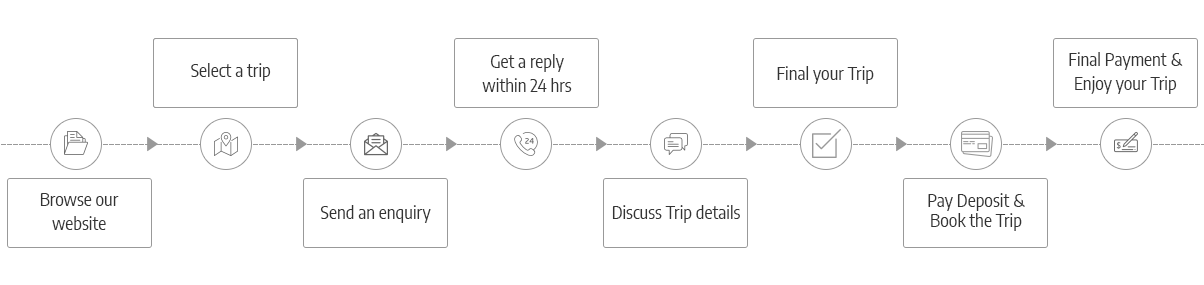
I would genuinely love to plan this trek with you. Message us on WhatsApp at +977 9851203181, send us an email through our contact page, or fill out our online inquiry form, and either I or one of our senior guides will reply within 24 hours with a personalized itinerary and quote.
Ask our experts (Inquiry)
Why Travel with us?
- Run by local experts, guide & Sherpa.
- Focus on your needs.
- Good value for money.
- Real cared services.
- Government recognized company.
- Best reasonable rate.